
| Rating | Static Pressure | Real-World Activities | Key Sealing Components |
| 3 ATM / 30m | Splashes / Rain | Not for submersion. | Basic case back & crown gaskets. |
| 5 ATM / 50m | Light Swimming | Showers, surface swimming. | Reinforced gaskets. |
| 10 ATM / 100m | Snorkeling | Swimming, water sports. | Screw-down crown recommended. |
| 20 ATM / 200m | Scuba Diving | Professional diving / Impact. | ISO 6425 standard; multiple gaskets. |
When shopping for a new watch, you’ve likely come across terms like water-resistant, waterproof, or seen numbers like 50 meters or 200 meters. But what do these terms really mean, and how do they impact functionality and durability? Let’s dive into the science behind water resistance in watches.

Understanding Water Resistance Ratings
Water resistance refers to a watch’s ability to withstand water pressure without allowing water to penetrate the case. No watch is completely impervious to water under all conditions. Ratings are measured under specific laboratory conditions.
- 30 meters (3 ATM): Everyday use, hand washing, and rain.
- 50 meters (5 ATM): Light swimming and showering.
- 100 meters (10 ATM): Swimming, snorkeling, and water sports.
- 200 meters (20 ATM) and above: Professional marine activities and diving. Learn what makes a dive watch.
Real-world factors like temperature changes, water pressure fluctuations, and aging gaskets can affect water resistance.
The Technology Behind Water Resistance
- Gaskets: Rubber, silicone, or Teflon seals prevent water entering around the crown, crystal, and case back.
- Case Construction: Screw-down case backs and crowns enhance the seal.
- Crystal: Sapphire or hardened mineral glass offers durability and resistance to pressure.
- O-Rings: Circular seals around the crown and pushers provide additional protection.
Testing Water Resistance
Manufacturers use dry testing with air pressure and wet testing with water. Escaping bubbles indicate leaks.
Maintenance and Care
- Have seals and gaskets checked regularly.
- Avoid chemical exposure from perfumes, soaps, and cleaning products.
- Rinse the watch with fresh water after saltwater or chlorine exposure.
Understanding water resistance helps you make informed decisions and care for your watch. While no watch is completely waterproof, modern engineering provides excellent protection from rainy days to deep-sea dives.
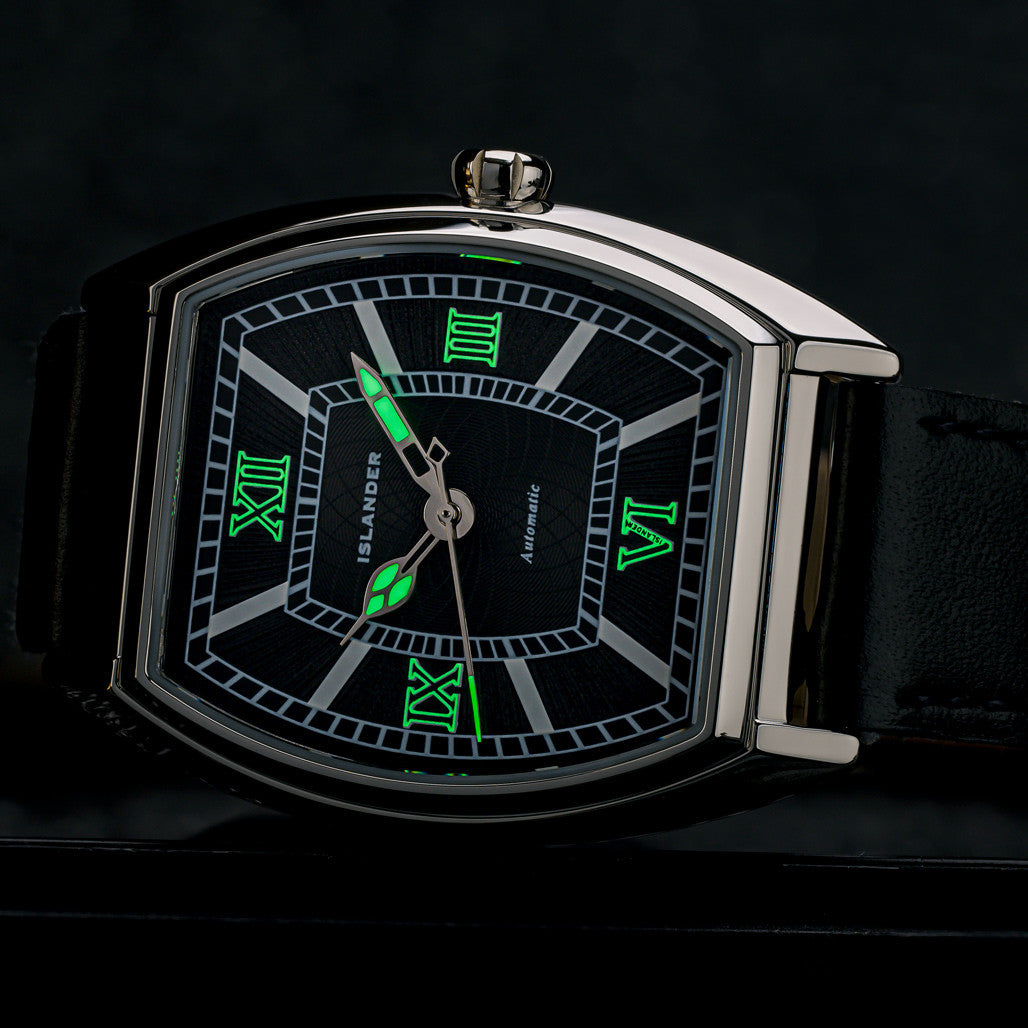
Our Islander dive watch collection is rated to 200 meters.
Shop Watches Built for Water
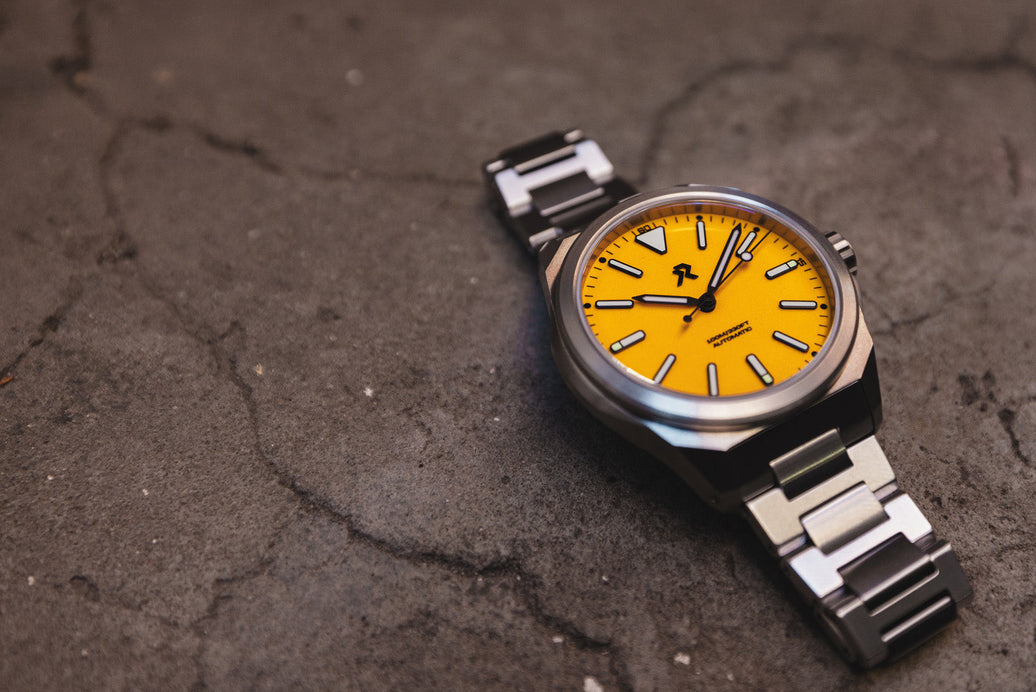
Compare purpose-built automatic divers from Islander with RZE’s lightweight titanium tool watches, both designed for serious everyday water resistance.
Frequently Asked Questions: Water Resistance Science
Q: Is 100 meters the actual depth I can dive to?
A: Not necessarily. Static laboratory ratings differ from dynamic pressure in real-world use. For actual diving, look for 200m or ISO 6425 certification.
Q: Why is a screw-down crown important?
A: It compresses internal gaskets and helps prevent accidental crown movement underwater.
Q: Can I wear my dive watch in a hot shower or sauna?
A: It is not recommended because heat and steam can compromise seals.
Q: What is the difference between ISO 22810 and ISO 6425?
A: ISO 22810 covers general water resistance, while ISO 6425 is the stricter divers’ watch standard.
Q: How often should I pressure test my watch?
A: For regular water use, inspect seals and pressure test every 12 to 24 months.













Leave a comment