
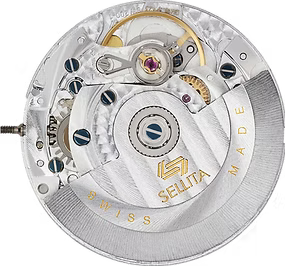
| Feature | Miyota 9015 / 9039 | Seiko NH35 / NH38 | Sellita SW200-1 |
| Beat Rate | 28,800 BPH (4Hz) | 21,600 BPH (3Hz) | 28,800 BPH (4Hz) |
| Movement Height | 3.90 mm (Ultra-Thin) | 5.32 mm (Bulky) | 4.60 mm |
| Power Reserve | 42 Hours | 41 Hours | 38 - 41 Hours |
| Winding Direction | Unidirectional (Clockwise) | Bidirectional | Bidirectional |
| Accuracy (Factory) | -10/+30 sec per day | -20/+40 sec per day | +/- 12 sec per day |
| Best For | Slim, Premium Tool Watches | Budget Workhorse Divers | Swiss Luxury Entry |
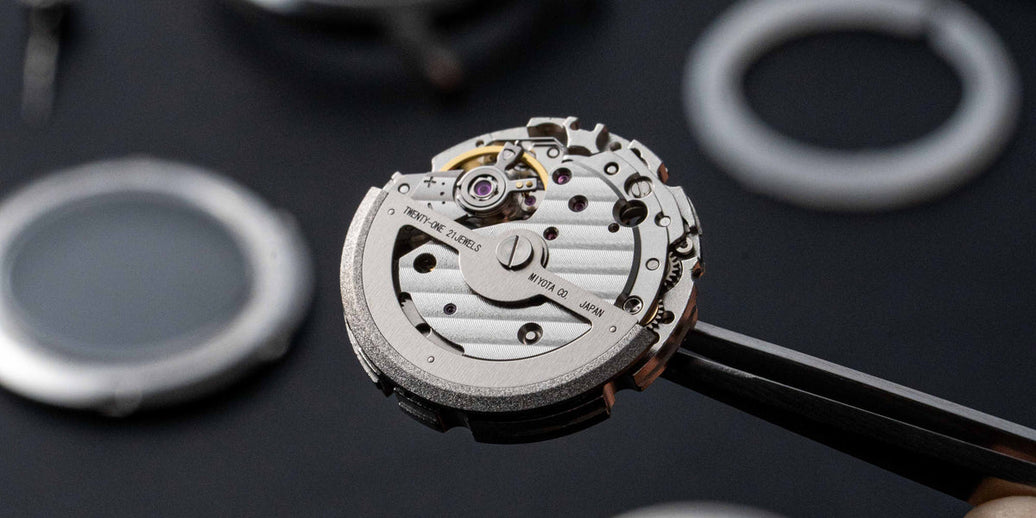
When it comes to mechanical watch movements, Swiss Made has long been the default answer. But in recent years, one Japanese engine has quietly reshaped the conversation: the Miyota 9 Series automatic movement, especially the beloved Miyota 9015. In this editorial, we’re arguing that the Miyota 9 Series is not just a great movement, but that it may well be the best non-Swiss entry-level automatic movement on the market.
What Is the Miyota 9 Series automatic movement?
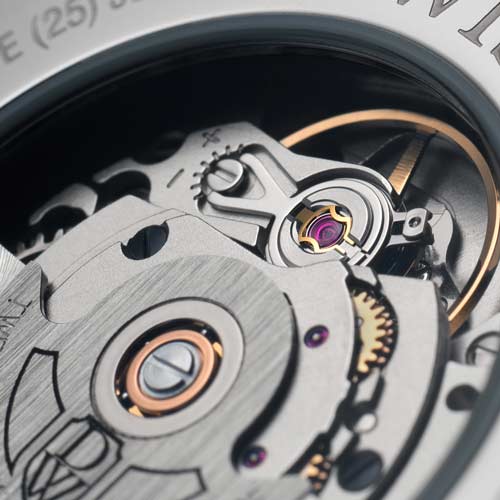
The Miyota 9 Series is a lineup of automatic watch movements made by Miyota, a division of Citizen Watch. Known for reliability, affordability, and robust performance, these calibers (with the 9015 as the flagship) power watches from independent microbrands to mainstream value divers. Unlike many popular Swiss movements, Miyota’s 9 Series delivers strong performance without a high price tag, which makes quality mechanical timekeeping more accessible than ever.
3 Reasons the Miyota 9 Series stands out
Rock-solid reliability you can wear every day
If there’s one thing watch lovers want from an automatic movement, it’s consistency. The Miyota 9 Series movements are built with one priority in mind: dependability. They don’t require constant tweaking or babying.
This practical durability makes the 9 Series ideal for:
- Daily wear watches
- Tool and field watches
- Everyday divers
In real-world use, these movements keep ticking without drama, which is a big win for anyone looking for dependable mechanical performance.
Performance that rivals swiss movements
A movement’s performance isn’t just about hype, it’s about what it actually delivers on the wrist.
- 28,800 vph (beats per hour) for a smooth second-hand sweep
- ~42-hour power reserve, solid for its class
- Reliable accuracy right out of the box
In terms of specs, the 9 Series often competes with Swiss calibers like the ETA 2824-2 or Sellita SW200 but it typically costs less to produce. That’s a win for both manufacturers and buyers.
Outstanding value under the hood
If you’re exploring entry-level automatic watches, value will always be top of mind. The Miyota 9 Series checks that box emphatically.
Thanks to efficient design and large-scale production, these movements help watch brands offer compelling mechanical watches at affordable prices without compromising on performance. That’s one reason you’ll see the 9015 and its siblings in so many microbrand watches today.
Swiss vs. Japanese movements: Rethinking the narrative
Swiss movements have heritage. That matters to collectors and that mystique won’t disappear. But there’s a difference between heritage value and performance value. On that front, the Miyota 9 Series holds its ground.
Rather than paying a premium for the words “Swiss Made,” the 9 Series gives you:
- Real-world reliability
- Solid performance specs
- Affordability without compromise
For a deeper look at how the Miyota stacks up against Seiko's NH family specifically, we broke that down here. This makes it one of the most compelling choices for entry-level automatic movements outside Switzerland.
Final thoughts: Best non-swiss entry-level automatic movement?
The short answer: Yes, and here’s why.
The Miyota 9 Series automatic movement represents an ideal blend of performance, reliability, and value. It may lack some of the prestige associated with Swiss calibers, but its real-world performance speaks for itself.
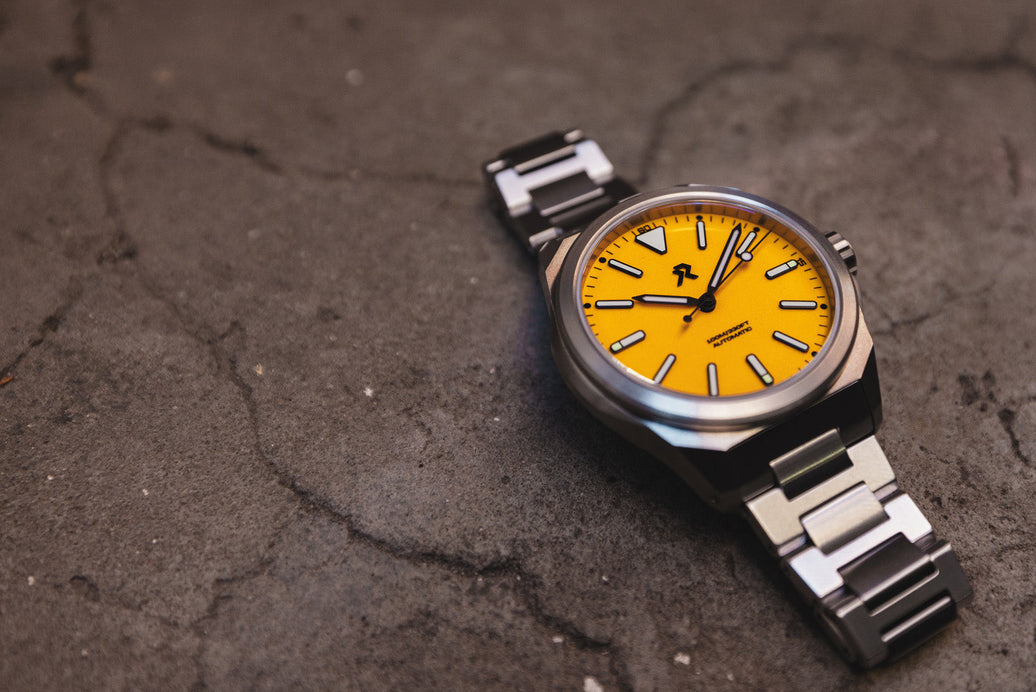
Check out the RZE collection in our store, which uses this very movement. The Resolute Pro runs the Miyota 90S5, one of the most refined calibers in the 9 Series lineup.
Frequently Asked Questions: The Miyota 9-Series Advantage
Q: Why do microbrands prefer the Miyota 9015 over the Seiko NH35?
A: It comes down to thinness and smoothness. The Miyota 9-series is nearly 1.5mm thinner than the Seiko NH35, which allows brands like RZE and Henry Archer to design watches that are only 10mm–11mm thick. Additionally, the Miyota beats at 28,800 BPH, providing a much smoother second-hand sweep compared to the more "choppy" 21,600 BPH of the Seiko.
Q: What is the difference between the Miyota 9015 and the 9039?
A: The 9039 is a "True No-Date" movement. Unlike the 9015, which has a date complication, the 9039 removes the date hardware entirely. This means there is no "ghost position" when you pull out the crown, and the movement is slightly thinner, making it the favorite for clean, symmetrical dials.
Q: Is it true that Miyota 9-series movements are loud?
A: Because the 9-series uses a unidirectional winding rotor, it spins freely in one direction. In some lightweight cases (especially titanium), you can occasionally hear or feel the rotor spinning. While some call it "rotor wobble," enthusiasts often appreciate it as a sign of a high-speed, low-friction ball-bearing system that is efficiently charging the mainspring.
Q: How does the Miyota 9075 differ from the standard 9015?
A: The 9075 is the "Traveler GMT" version of the 9-series. It maintains the same high-beat frequency and slim profile but adds an independent jumping local hour hand. In 2026, this movement has revolutionized the market, allowing microbrands to offer "True GMT" functionality for a fraction of the cost of a Swiss equivalent.
Q: Is the Miyota 9-series as reliable as a Swiss Sellita?
A: Absolutely. Many watchmakers argue that the Miyota 9-series is actually more robust because it was designed from the ground up in 2009, whereas the Sellita/ETA architecture dates back to the 1970s. The Miyota features a more modern balance bridge and a simpler winding mechanism that is less prone to the "gear stripping" sometimes seen in Swiss counterparts during manual winding.




















Leave a comment