
Swiss Labeling Hierarchy: Federal Legal Breakdown
| Designation | "Swiss Made" | "Swiss Movement" | "Swiss Parts" |
| Primary Requirement | 60% minimum overall Swiss production cost | 50% minimum value of movement components | Swiss components used; assembled outside CH |
| Movement Spec | Must be a certified Swiss Movement | Assembled & inspected in Switzerland | Assembled abroad |
| Casing & QC | Must be cased & final QC done in Switzerland | Cased & inspected anywhere globally | Cased & inspected anywhere globally |
| R&D Location | Technical development must be done in CH | N/A (Applies to movement only) | N/A |
| Dial Marking | "Swiss Made" at 6 o'clock | "Swiss Movement" on caseback/dial | Movement/Caseback text only |
If you're anything like us at Smallseconds Watch Reviews, you've probably wondered: "How Swiss is my Swiss watch?" Today, we’re diving deep into the horological rabbit hole to uncover the true origins of some of the world’s most beloved watches.
Swiss Made: What Does It Really Mean?
First, let's decode the enigma that is "Swiss Made." According to Swiss law, at least 60% of a watch's manufacturing costs must be incurred in Switzerland, and the movement, or "heart," of the watch must be Swiss. Sounds straightforward, right? Not so fast! The global nature of manufacturing means that even the most Swiss of watches might have a few secrets up their sleeves.
The Usual Suspects: 100% Swiss Through and Through
Rolex
Rolex, the crown jewel of Swiss watches, doesn't just meet the Swiss Made criteria – it obliterates it. Every part of a Rolex, from the movement to the case, bracelet, and even the lubricant, is crafted in Switzerland. Rolex owns and operates its foundry, producing the metals used in its watches. So, when you’re wearing a Rolex, you’re wearing a piece of pure Swiss art.

Patek Philippe
Patek Philippe is another paragon of Swiss craftsmanship. This storied brand, with its headquarters in Geneva, ensures that every single watch is manufactured in Switzerland. Renowned for their complexity and elegance, Patek Philippe watches are often passed down through generations, a testament to their enduring quality and Swiss heritage.

The Not-So-Swiss: Known Origins Beyond the Alps
TAG Heuer
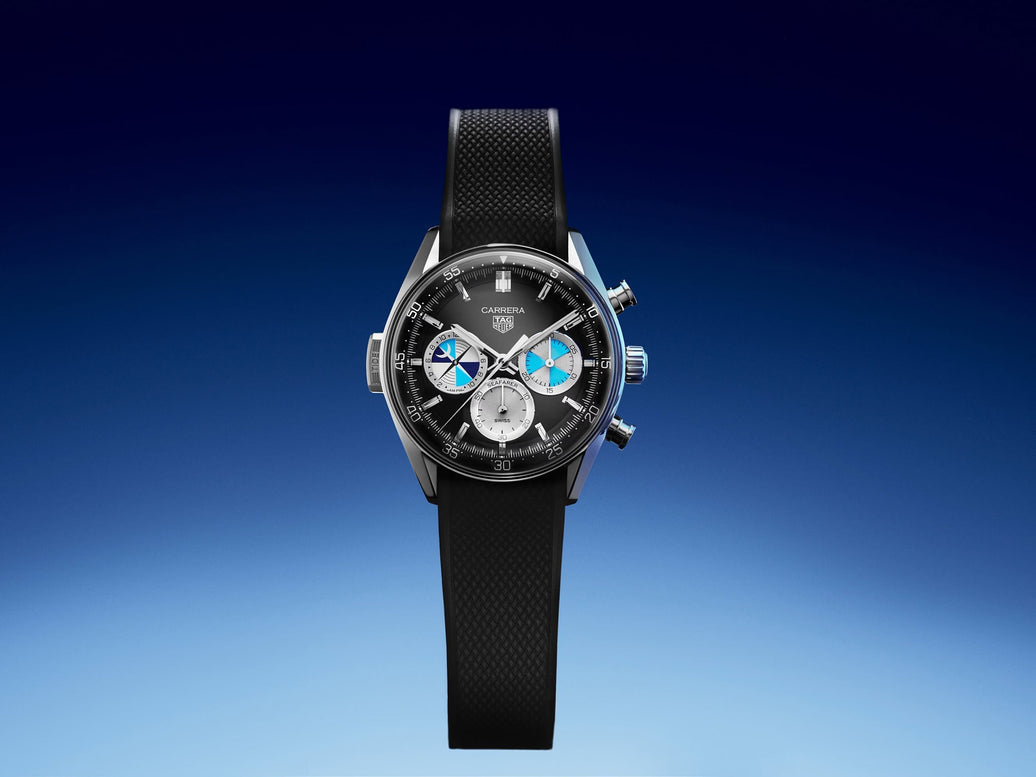
TAG Heuer is a darling of the watch world, but did you know that not all their pieces are entirely Swiss? While the movements are Swiss, TAG Heuer often sources components like cases and dials from other countries, notably China. It’s a global effort to bring you those iconic chronographs.

Tissot
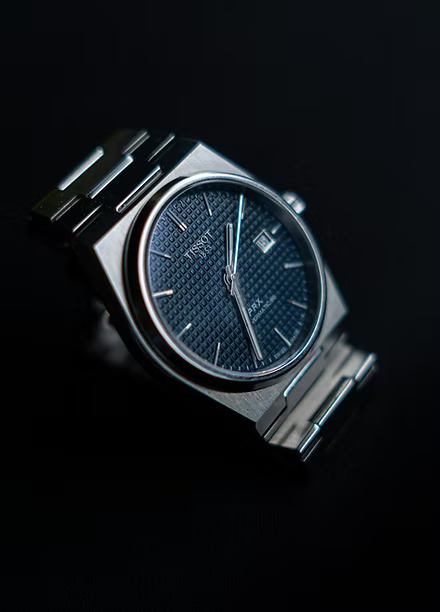
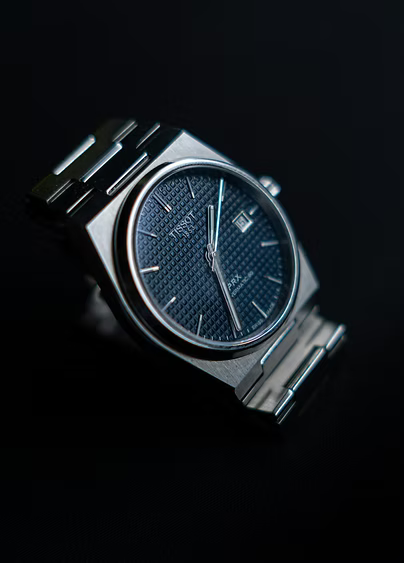
Tissot, a member of the Swatch Group, is a brand that prides itself on its Swiss roots. However, to keep prices competitive, some components are sourced from Asia. The movement remains Swiss, but the cases and other parts might take a detour through the Far East before ending up on your wrist.

The Hybrid Heroes: A Bit of Swiss, A Bit of Elsewhere
Omega
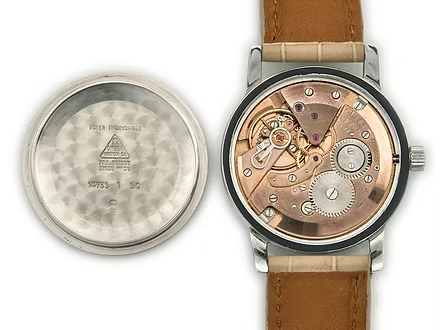
Omega, another titan from the Swatch Group, is known for its impeccable Swiss movements. Yet, Omega isn't shy about blending Swiss precision with international parts. Some components, like the steel for cases and bracelets, are sourced from countries with long-standing metallurgical expertise, such as Germany and Japan.

Breitling
Breitling is a brand that captures the adventurous spirit, often seen on the wrists of pilots and adventurers. While its movements are certified Swiss chronometers, Breitling does source parts like crystals and dials from other countries, including the United States and Italy. It's a global collaboration that results in timepieces ready to take on the world.

The Up-and-Comers: New Faces, New Places
Nomos Glashütte
Okay, we’re cheating a bit here – Nomos Glashütte is German, not Swiss. But it deserves a mention because of its dedication to in-house production. Nomos watches are almost entirely made in Glashütte, Germany, with movements crafted in-house. It’s proof that exceptional watchmaking isn’t confined to the Swiss borders.

Seiko
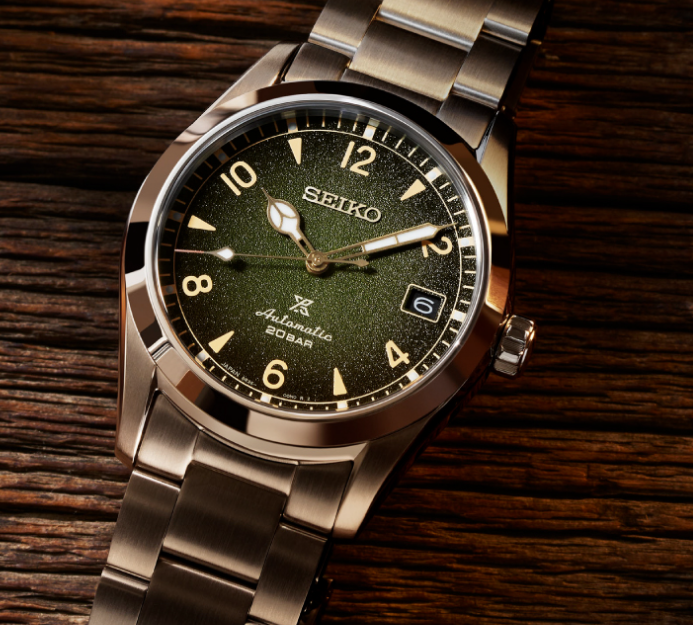
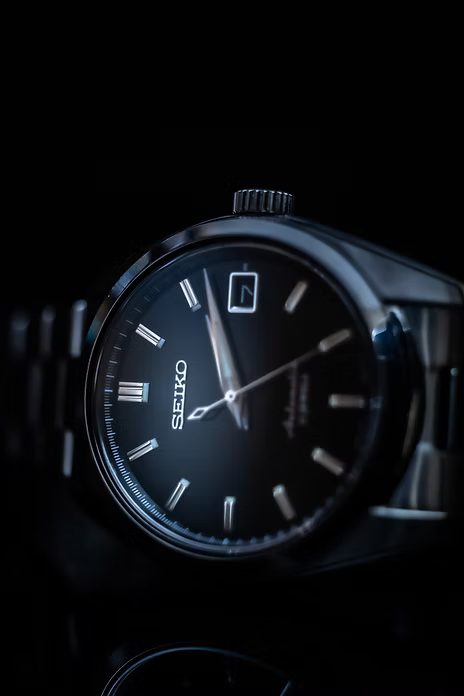
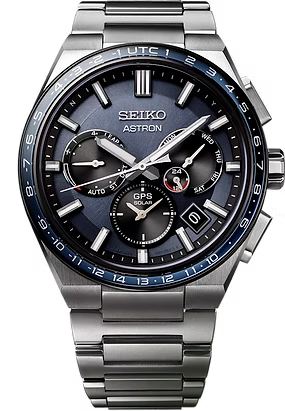
Let's step out of Europe and head to Japan with Seiko. Known for pioneering quartz movements, Seiko also produces mechanical marvels that rival Swiss counterparts. Every part of a Seiko watch is made in Japan, from the movement to the case. Seiko’s craftsmanship is a nod to the precision and dedication found in Swiss watchmaking, but with a distinctly Japanese flair.

The Beauty of Diversity in Watchmaking
The world of watches is a blend of cultures, techniques, and histories. While the "Swiss Made" label carries a certain prestige, the reality is that watchmaking is a global enterprise. Brands like Rolex and Patek Philippe epitomize Swiss craftsmanship, but the watch on your wrist might be a melting pot of international excellence. It’s a testament to a world where the precision of Switzerland meets the ingenuity of the world. Whether Swiss through and through, or a hybrid of the best from around the globe, each watch tells a story – and we’re here for every one.
Check out some of the brands we offer at our online store here: https://smallsecondswatchreviews.com/
Frequently Asked Questions: "Swiss Made" Legal Standards
Q: Does "Swiss Made" mean 100% of the watch was manufactured in Switzerland?
A: No, and it rarely ever has. Under federal law, a watch can legally carry the "Swiss Made" stamp if at least 60% of the total manufacturing costs are generated in Switzerland. The remaining 40% of production costs can come from foreign manufacturing—meaning components like cases, sapphire crystals, or bracelets are frequently produced in Asia or elsewhere in Europe before final assembly and quality control take place on Swiss soil.
Q: What are the strict rules for a movement to be considered "Swiss"?
A: A movement alone cannot carry the "Swiss" designation unless it meets three distinct criteria: 1) It has been assembled in Switzerland, 2) It has undergone its final technical inspection in Switzerland, and 3) At least 50% of the value of all constituent parts (excluding assembly costs) originates from Swiss manufacturing.
Q: What changed with the 2017 "Swissness" Ordinance update?
A: Prior to 2017, the 50% value rule applied almost exclusively to the movement, allowing brands to place low-cost foreign movements in cheap foreign cases and still qualify with minimal effort. The updated ordinance raised the overall cost threshold to 60% across the entire watch head (case, dial, hands, movement) and added a mandate that the technical development and prototyping must occur in Switzerland.
Q: What is the "Foreign Component Loophole" in cost calculations?
A: The 60% rule is calculated using manufacturing costs (labor, R&D, CNC machining, assembly), not component volume. Because Swiss watchmaking labor and specialized engineering costs are among the highest in the world, a brand can manufacture physical components (like raw steel cases or dials) abroad for low prices and still comfortably clear the 60% financial threshold simply by performing the labor-intensive assembly, finishing, and regulation inside Switzerland.
Q: Is a "Swiss Made" watch always better than a Japanese microbrand watch?
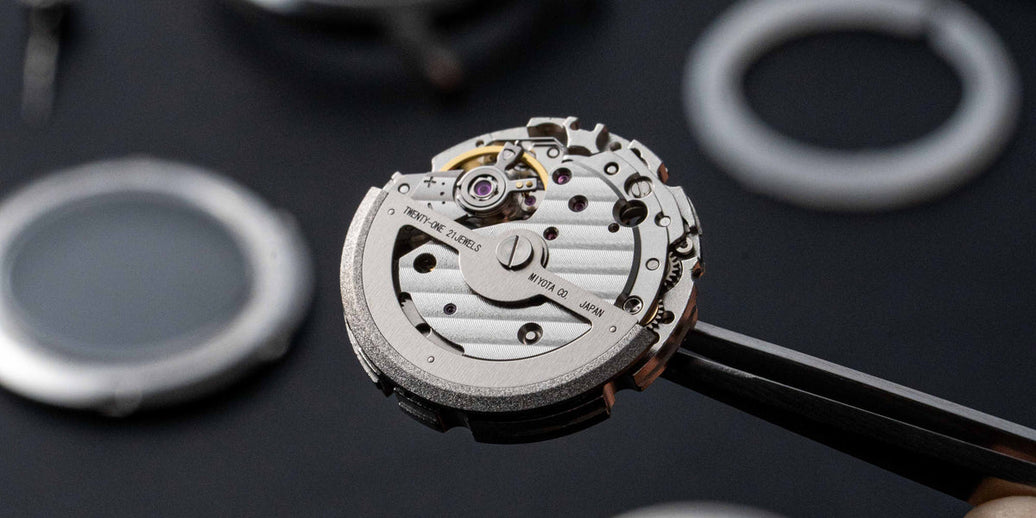
A: Not necessarily. The "Swiss Made" stamp guarantees legal compliance with high quality-control standards, skilled regional assembly, and specialized horological engineering. However, many modern Japanese or stateside microbrands use ultra-hardened materials, high-grade Miyota 9-series or Seiko movements, and premium sapphire crystals that offer better raw hardware specs per dollar than entry-level Swiss Made options carrying a heavy marketing mark-up.












Leave a comment