
Microbrand watches aren't a niche curiosity anymore. What used to be a corner of the hobby dominated by a handful of vintage dive-watch homages has turned into one of the most active parts of the entire watch industry, and 2026 is shaping up to be the year that became impossible to ignore.
The numbers behind the trend
The clearest signal is community size. As of mid-2026, the r/MicrobrandWatches community on Reddit has grown to roughly 127,000 members generating around 2 million monthly views, adding more than 4,000 new members a month. That's not a small hobbyist forum anymore. It's become a genuine discovery engine that's reshaping how people find their next watch, often well before a brand shows up in traditional watch media.
What's actually changed
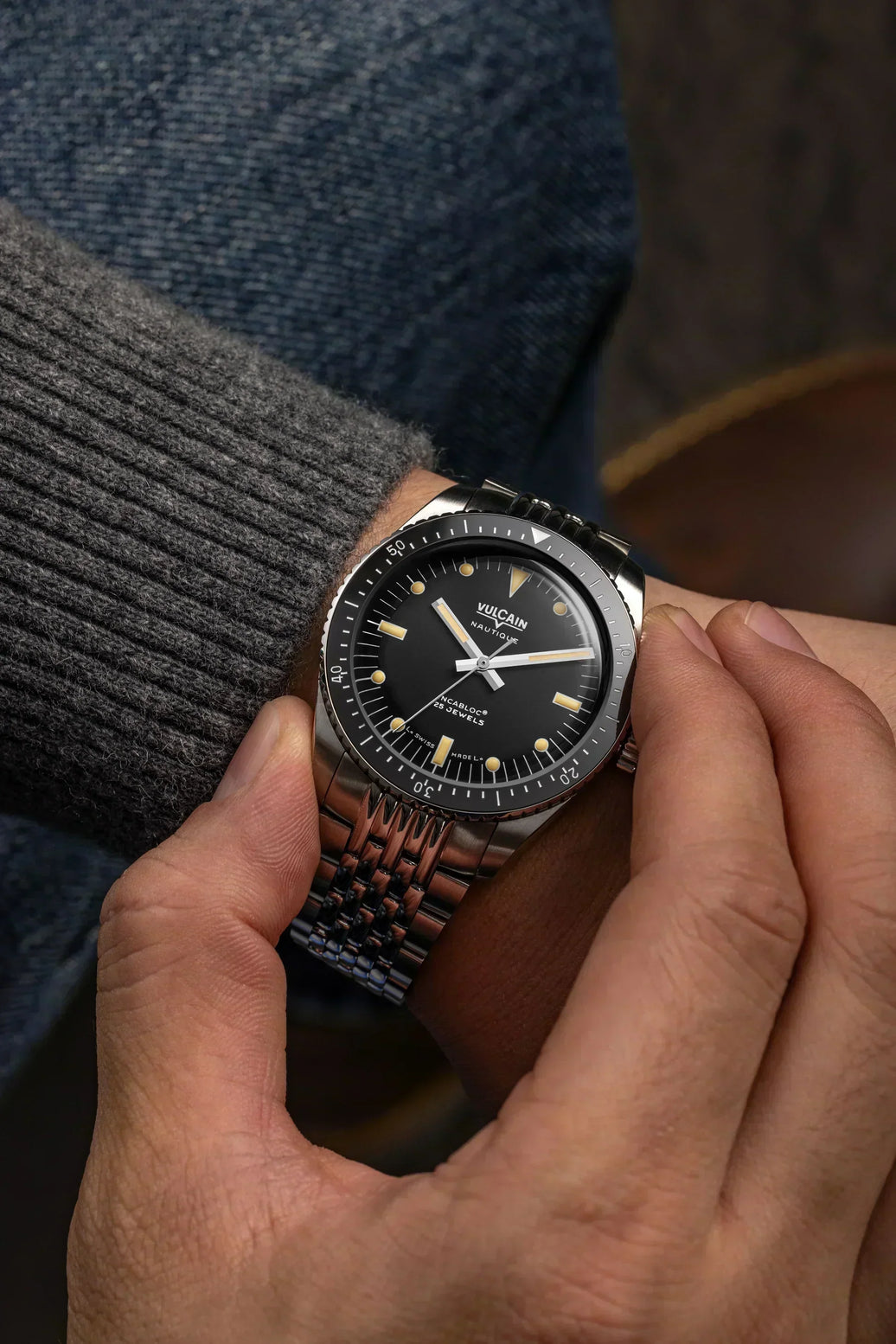
The old knock on microbrands was that they were mostly interchangeable dive-watch reskins built on the cheapest available parts. That's no longer an accurate picture of the category. Independent brands are now shipping titanium cases, real antimagnetic shielding, meteorite dials, and COSC-certified movements. These are specs that used to be exclusive to watches costing several times as much. The gap between what a $200-600 microbrand can deliver and what a major Swiss brand offers at 5-10x the price has narrowed considerably.
Why now, specifically?
A few forces are converging at once. Manufacturing access has democratized. Small teams can now source the same contract manufacturers and component suppliers that larger brands use, without needing a legacy factory of their own. Community replaces marketing budget. A brand with a genuinely good watch and an active presence on Reddit or YouTube can build an audience without the ad spend a legacy brand relies on. Swiss pricing uncertainty is pushing value-conscious buyers to look elsewhere. With Swiss watch tariffs shifting multiple times in the past year, some buyers who'd normally stretch for an entry-level Swiss piece are taking a closer look at what independents offer at a fixed, predictable price.
What to look for when trying a new microbrand
Not every microbrand is equally worth your money, and the category's growth means more noise along with the signal. A few things worth checking before you buy from a brand you haven't tried:
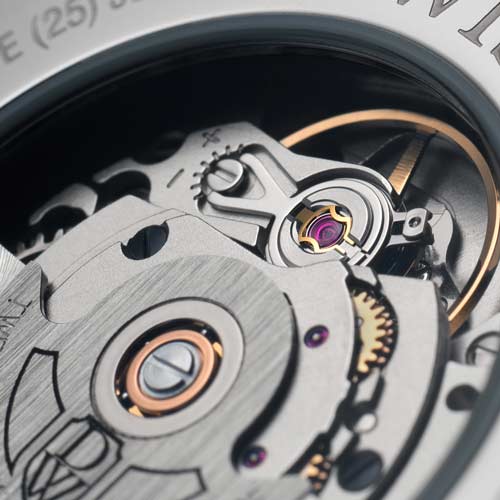
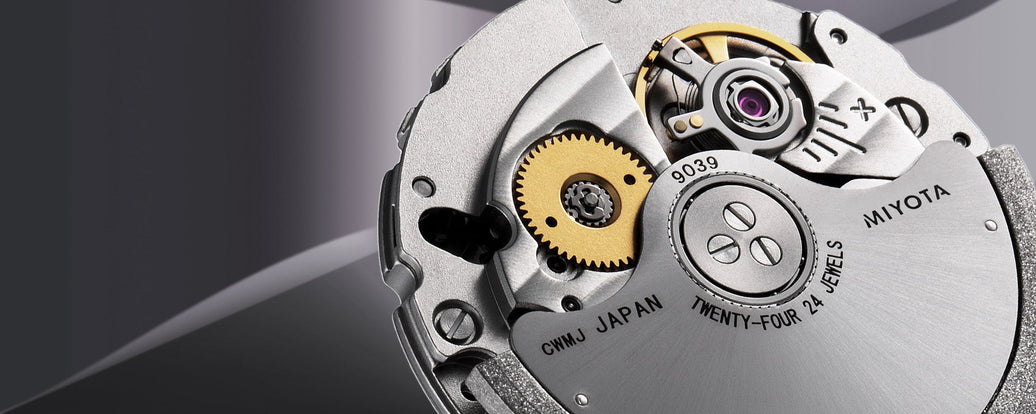
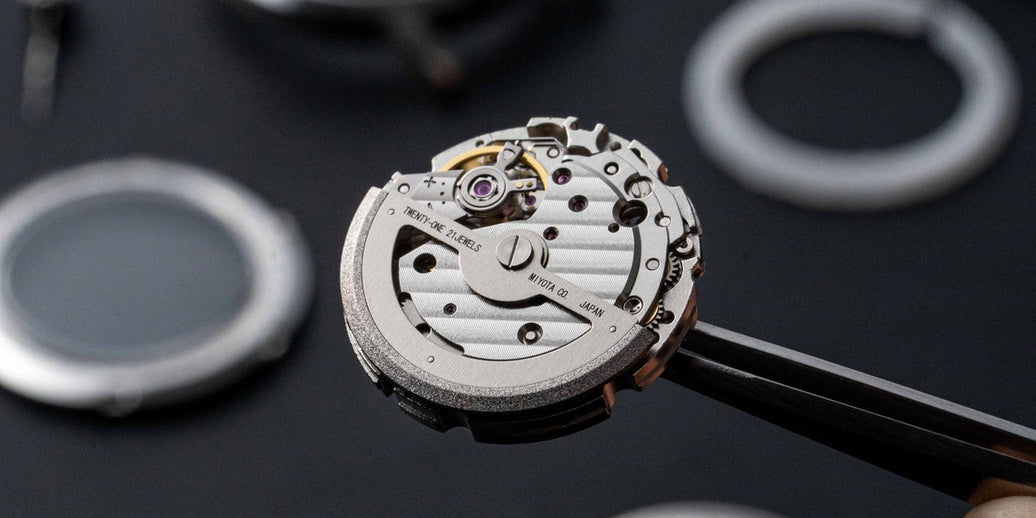
- Movement transparency. A brand that clearly states what's inside (Seiko NH35, Miyota, an in-house caliber) is generally more trustworthy than one that's vague about it.
- Warranty and service support. Small brands vary wildly here. Some offer real multi-year warranties and easy service access, others go quiet after the sale.
- Community reputation, not just marketing photos. Search the brand name alongside "review" on Reddit or YouTube before buying. Owner experiences after six months of wear tell you more than launch-day photography.
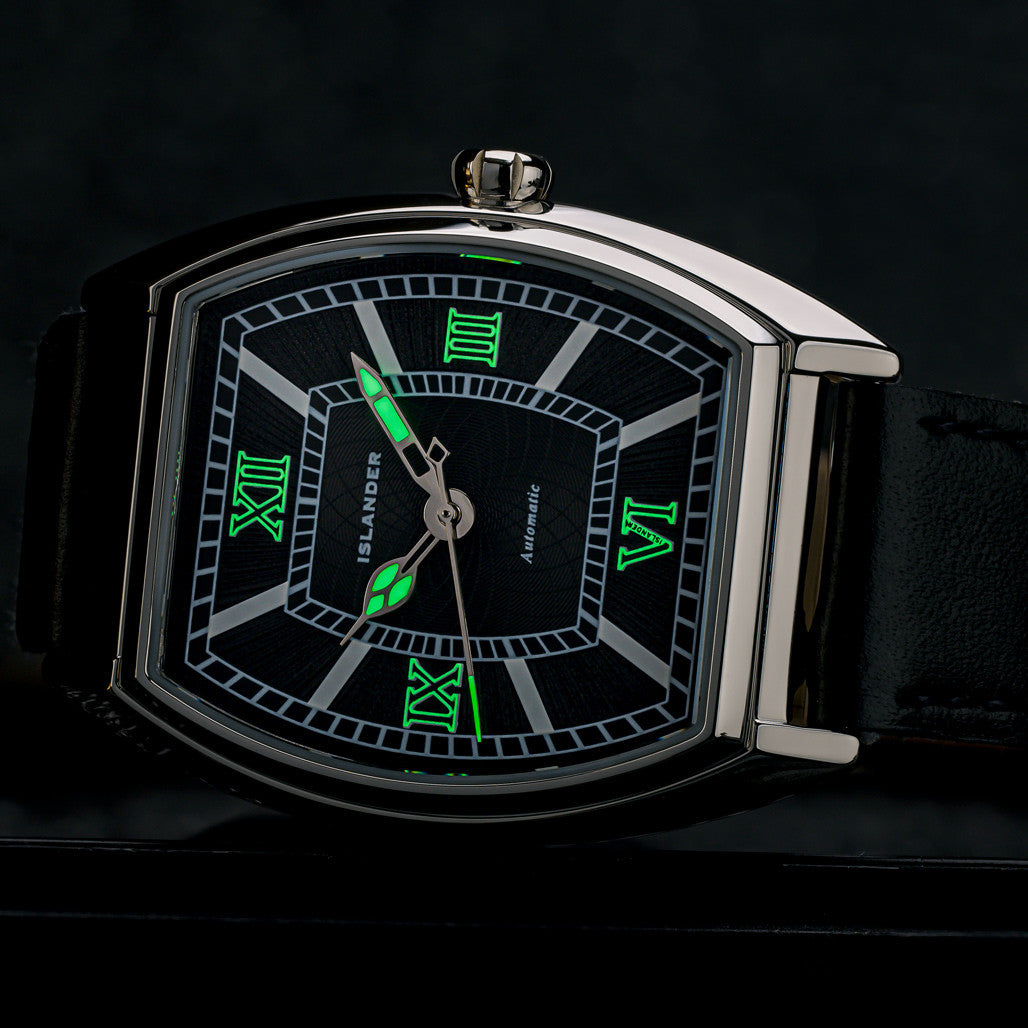
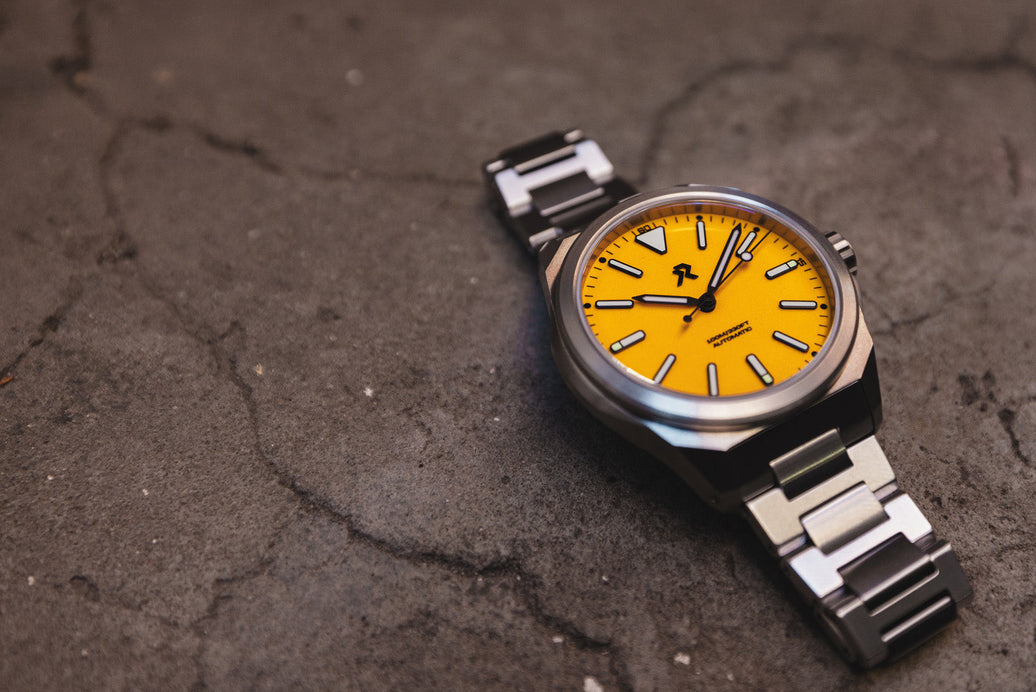
Brands like Islander and RZE are good examples of the category at its current best. Islander runs the reliable Seiko NH35 across a genuinely varied lineup, and RZE has built its identity specifically around titanium construction most brands its size can't touch. You can browse both in the Islander collection and the RZE collection.
FAQ
Are microbrand watches actually reliable?
It depends heavily on the individual brand, but the better-established names in the space now use proven, widely-serviceable movements and real quality control — the reliability gap with legacy brands has narrowed significantly at the movement and case-construction level.
Do microbrand watches hold resale value?
Generally not as well as established Swiss names, since resale value depends heavily on brand recognition. Most people buying microbrands are buying to wear and enjoy rather than as an investment, which is a reasonable way to approach the category.
How is a microbrand different from a "fashion watch" brand?
Microbrands are typically founded and run by people from within the watch enthusiast community, focused on genuine specs and movement quality. Fashion watch brands are usually licensing a recognizable name onto a generic quartz movement with little enthusiast input.
Why are so many microbrands using titanium now?
Titanium manufacturing has become more accessible through specialized contract manufacturers, letting small brands offer the weight and corrosion-resistance benefits that used to require a much bigger budget.










Leave a comment