
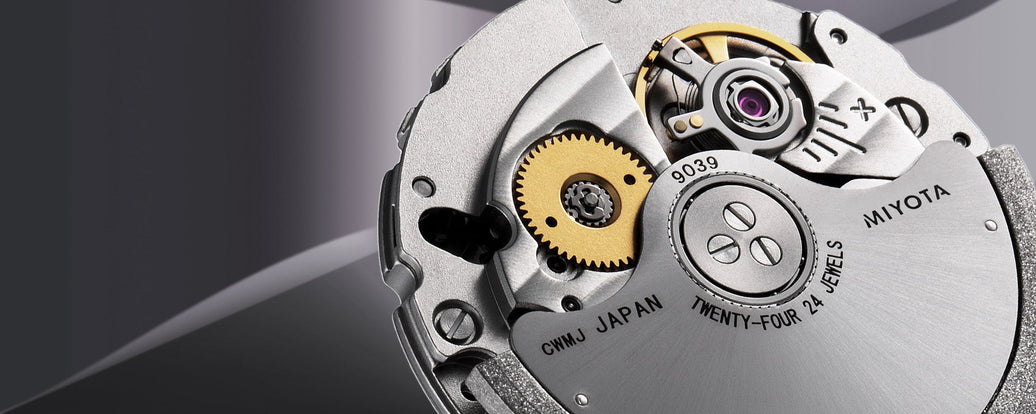
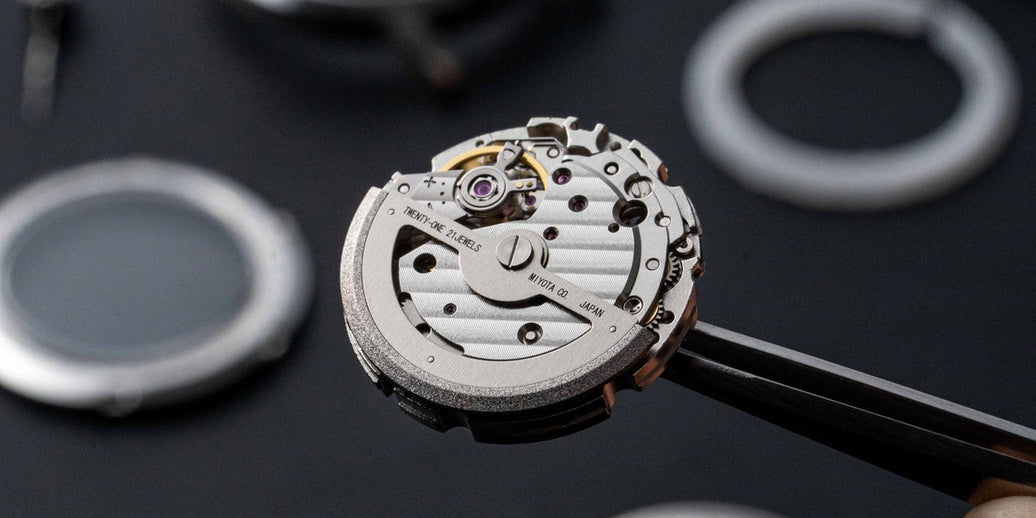
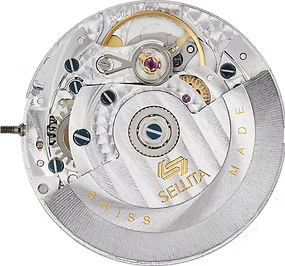
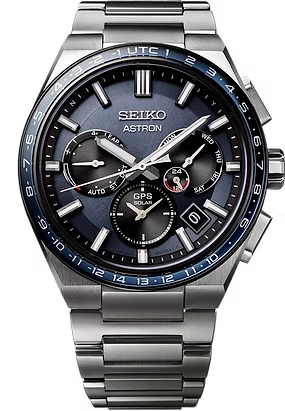
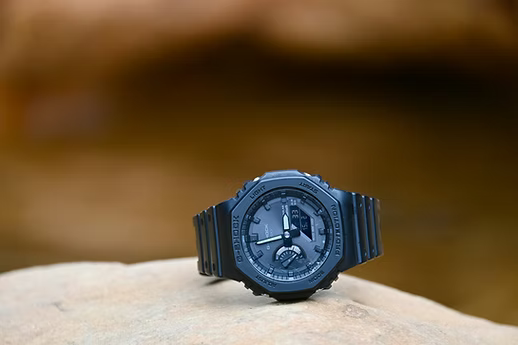
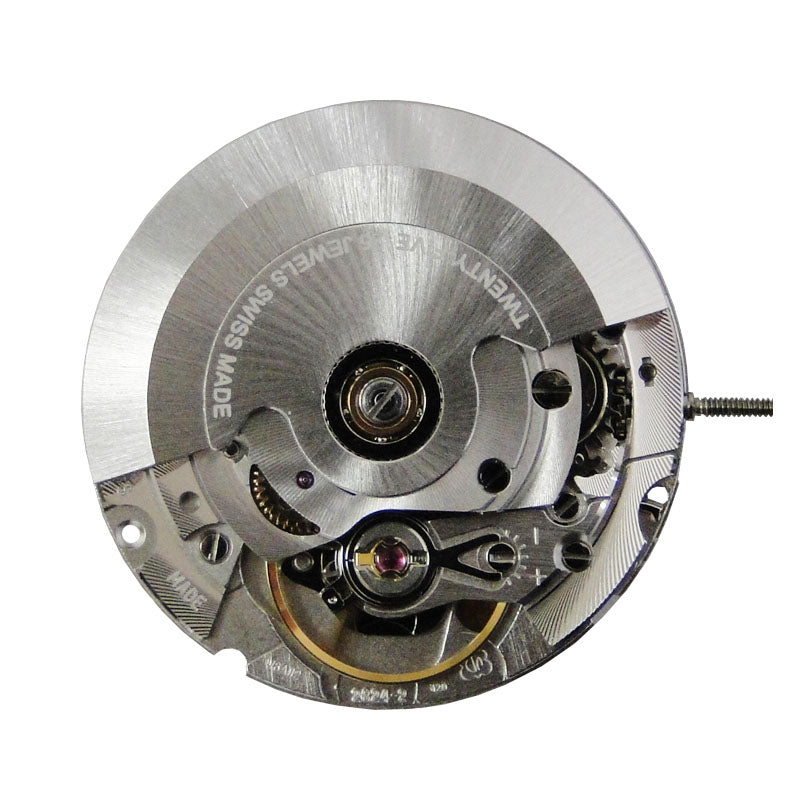
| Movement Type | Mechanical Automatic | Standard Quartz | Solar Quartz (Eco-Drive/Tough Solar) |
| Power Source | Mainspring (Wrist Motion) | Battery | Light Energy (Sun/Ambient) |
| Daily Accuracy | +/- 15 to 30 Seconds | +/- 15 Seconds Per Month | +/- 15 Seconds Per Month |
| Maintenance | Service every 5–10 years | Battery swap every 2–3 years | Virtually none (15+ year lifespan) |
| Best For | The mechanical purist. | The strict "set-and-forget" user. | The ultimate daily tool watch. |
| Starting Cost | $150 – $500 | $50 – $200 | $150 – $400 |
Buying your first watch should be exciting. But the moment you start researching, it can feel like everyone is speaking a foreign language. Movements, microbrands, sapphire, lume, "homages," 200m water resistance. It is easy to either freeze up or, worse, grab the first flashy name you recognize from a mall window.
This guide fixes that. We are going to start at the 30,000-foot view and work down to specific watches you can actually buy. First you will understand the three tiers of the watch market and what each one really sells you. Then you will pick a style that fits your life. Finally, we will show you a mainstream pick and a microbrand pick for each style, so you can see the trade-offs with real examples. By the end, you will know exactly where to start and why.
Step 1
Understand the three tiers of the watch world
Before you look at a single watch, it helps to know that the entire industry sorts loosely into three tiers. Knowing which tier you are shopping in instantly tells you what you are paying for, and that is most of the battle.
Tier 1: Fashion and mall brands (names you already recognize)
These are the watches you see in department stores and all over social media: Fossil, MVMT, Daniel Wellington, Michael Kors, Invicta, and similar. They look the part, and there is nothing wrong with owning one. But it is important to understand what you are actually buying. The vast majority are quartz watches using generic, mass-produced movements, and a large slice of the price tag goes to branding, marketing, and retail markup rather than the watch itself.
Think of these as fashion accessories first and watches second. They are a perfectly fine entry point, but most people who catch the watch bug quickly find themselves wanting something with more substance, which is exactly what the next two tiers deliver, often for similar money.
Tier 2: Mainstream watch brands (the enthusiast's starting line)
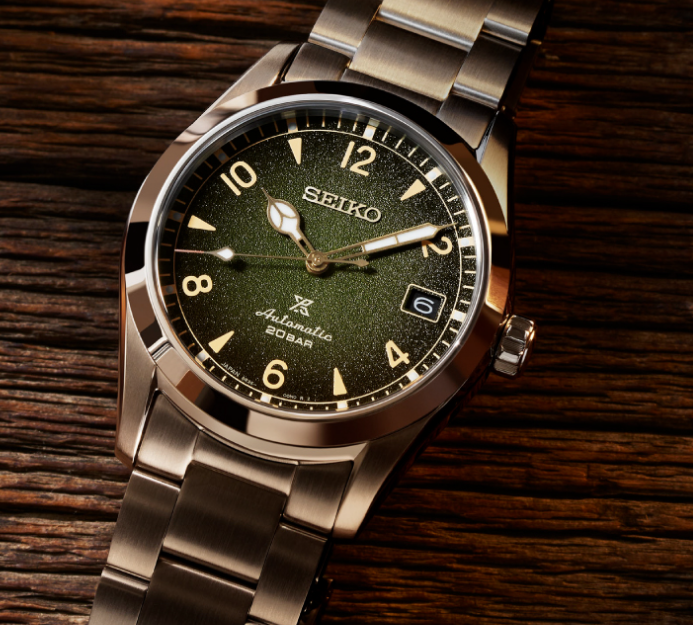
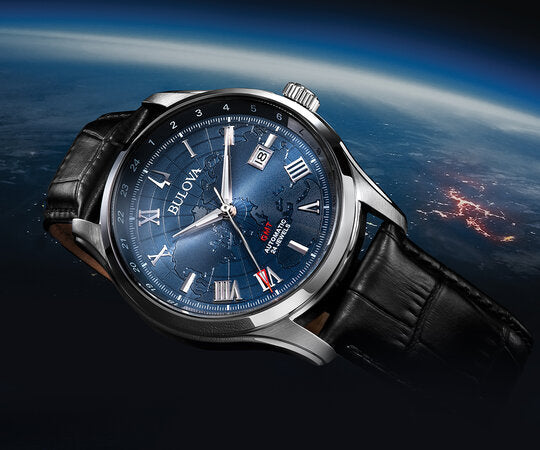
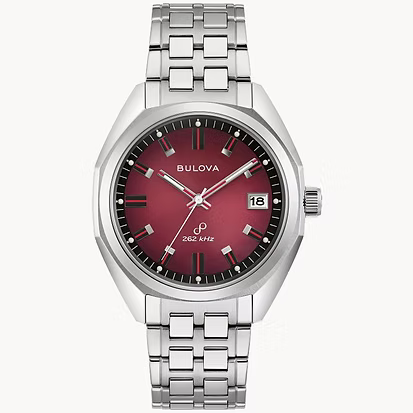
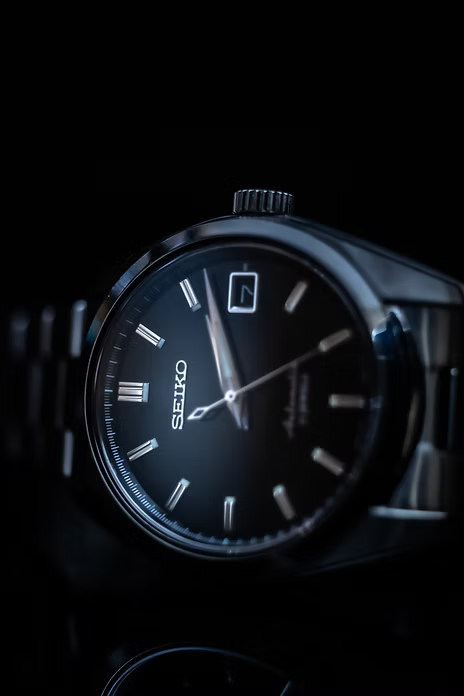
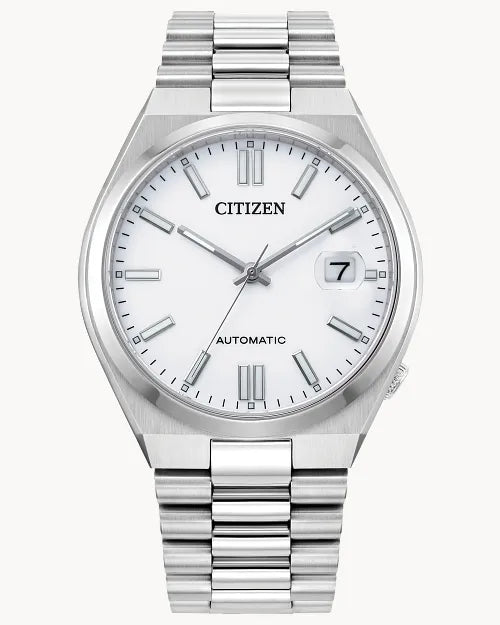
This is where a first real watch usually lives. Brands like Seiko, Citizen, Orient, Hamilton, Tissot, and Bulova are genuine watchmakers with decades. Sometimes more than a century of heritage! Instead of off-the-shelf parts, they build or source high-quality movements, including automatic (mechanical, self-winding) and advanced solar and quartz technology.
What you get in this tier is reliability, broad availability, established service networks, and strong resale value. You also get proven designs that have earned their reputations over many years. For the money, the value is excellent, which is why so many collectors point beginners here first.
Tier 3: Microbrands (where value and personality live)
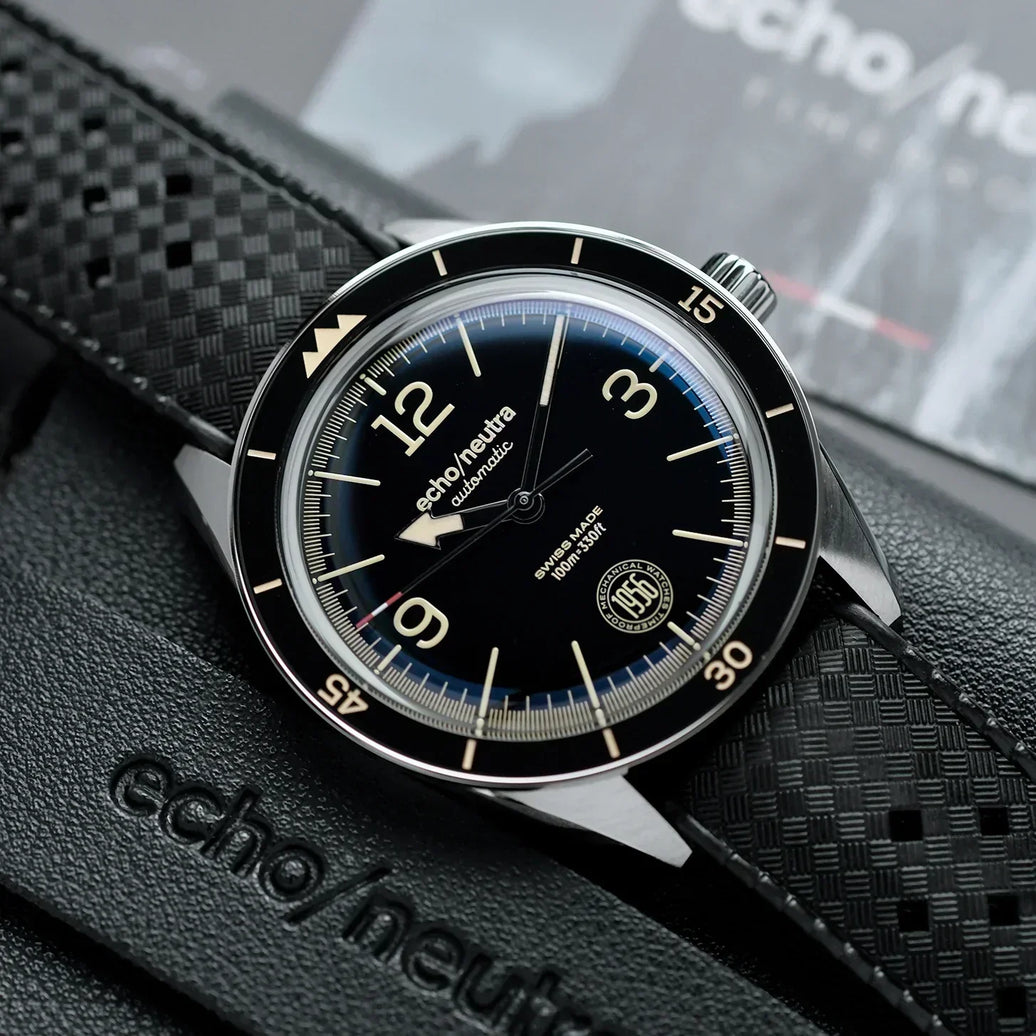
Microbrands are smaller, often direct-to-consumer companies. These are the kind of names you discover through reviews and forums rather than mall windows. Because they sometimes sell straight to you and skip traditional retail markups, they tend to punch far above their price on specifications: sapphire crystals, automatic movements, top-tier lume, and design details you simply do not find at the same price from the big players. You also get personality and a closer connection to the people who built the watch.
The trade-offs are real and worth knowing: less brand-name recognition, smaller service networks, and resale that is less liquid than a Seiko or a Hamilton. If you want a deeper look at why so many enthusiasts fall in love with this tier anyway, we cover it in why collectors should consider a microbrand watch.
The short version: fashion brands sell you a look, mainstream brands sell you proven value and heritage, and microbrands sell you specs and individuality. None is "wrong", but for a first watch you will actually be proud of, Tiers 2 and 3 are where the magic is.
Step 2
Choose your style: Diver, field, or dress
Once you know which tier you are shopping in, the next decision is style. Rather than scrolling endlessly, narrow yourself to one of three classic archetypes based on your lifestyle and wardrobe. Almost every great first watch falls into one of these buckets.
The dive watch.
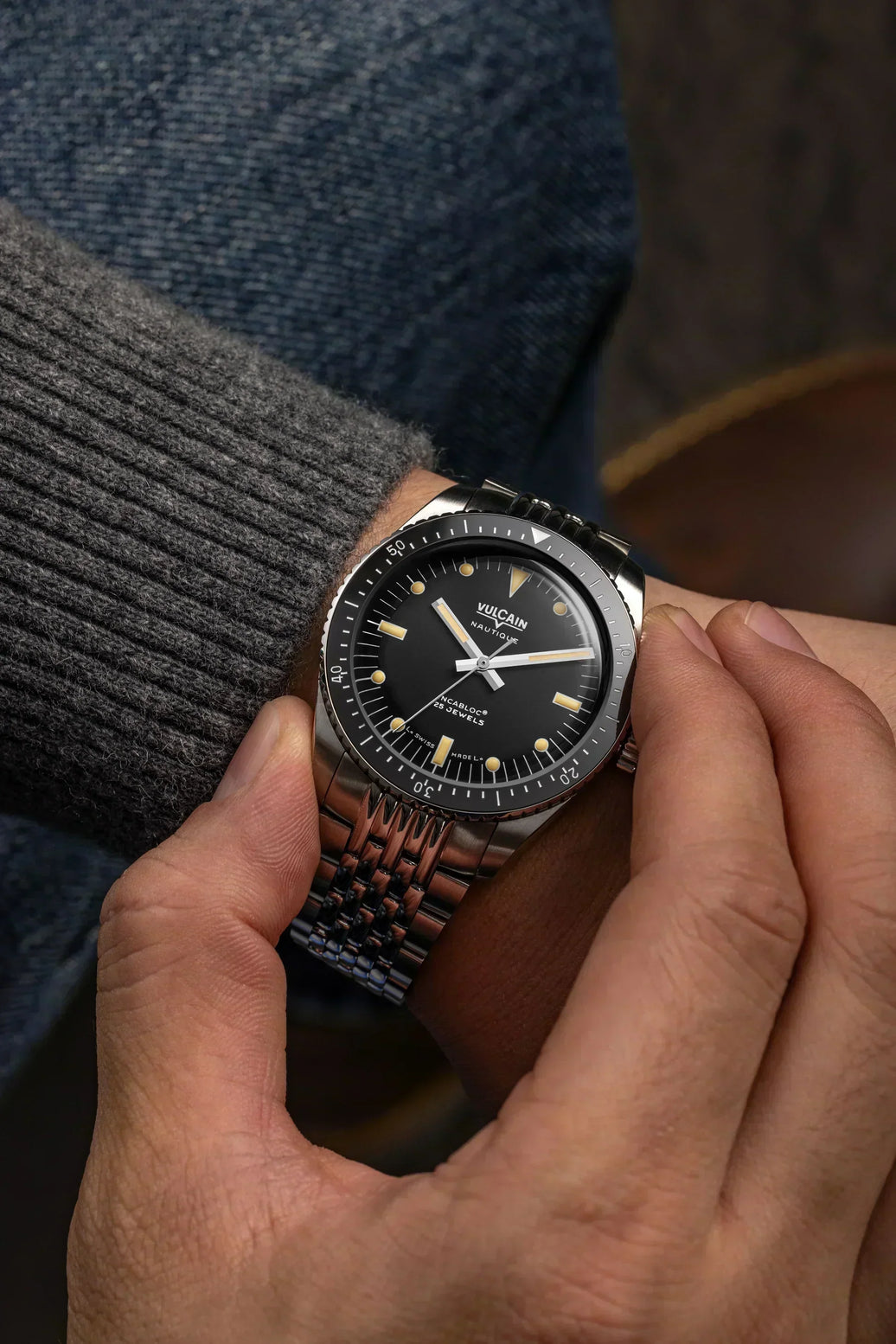
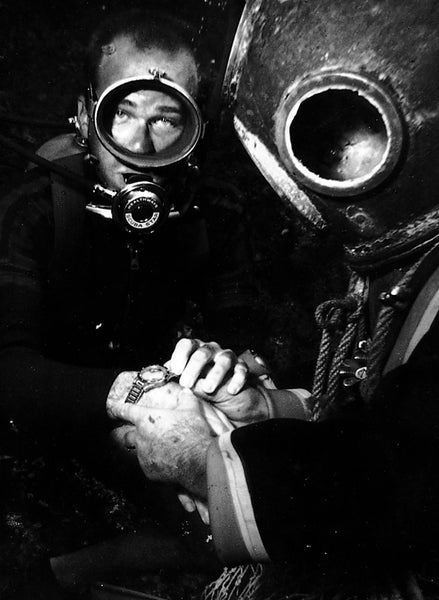
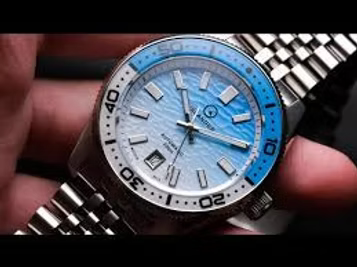
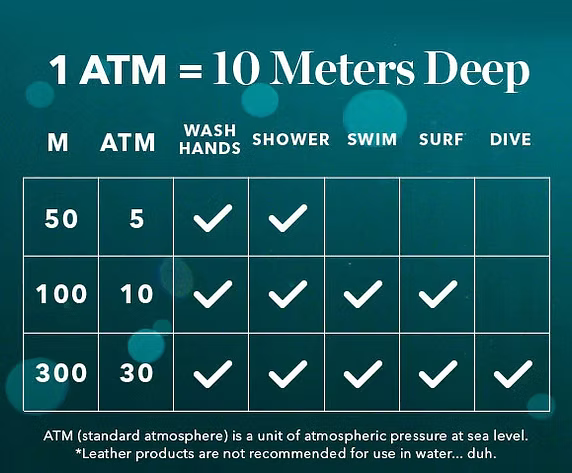
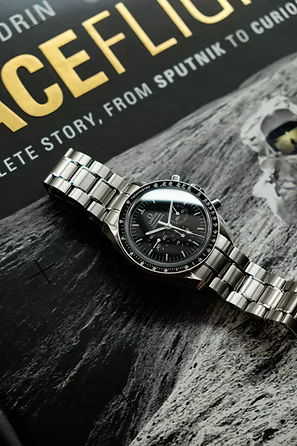
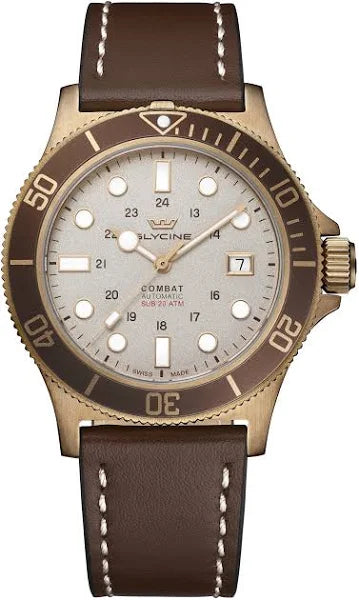
The do-it-all first watch. If you only buy one watch, this is the category most enthusiasts point to. A dive watch has a rotating timing bezel, serious water resistance (usually 200m), strong lume, a legible dial, and a tough build. It is sporty enough for the gym and the beach, but on the right strap it cleans up surprisingly well. That versatility is exactly why it is the classic "if I could own only one" pick. If you want to understand what actually makes a diver a diver, we break it down in what makes a dive watch a dive watch, and we explain the ratings in the science behind water resistance.
The field watch
Light, rugged, and casual. Born from military "field" watches, this style is all about legibility, light weight, and toughness. Expect a clean, high-contrast dial, a comfortable case, and around 100m of water resistance. A field watch is the easygoing daily companion that pairs effortlessly with jeans, work clothes, and the outdoors. If your life is hands-on and casual, this is a fantastic first watch.
The dress watch
Clean, thin, and formal. A dress watch is the opposite of a tool watch. It's simple dial, slim case, minimal clutter, and usually on a leather strap. It is built to slide under a cuff and elevate a suit or anything formal. If you frequently dress up for things like weddings, the office, or dinners out, this is the style to consider. For inspiration, see our roundup of stylish dress watches under $500.
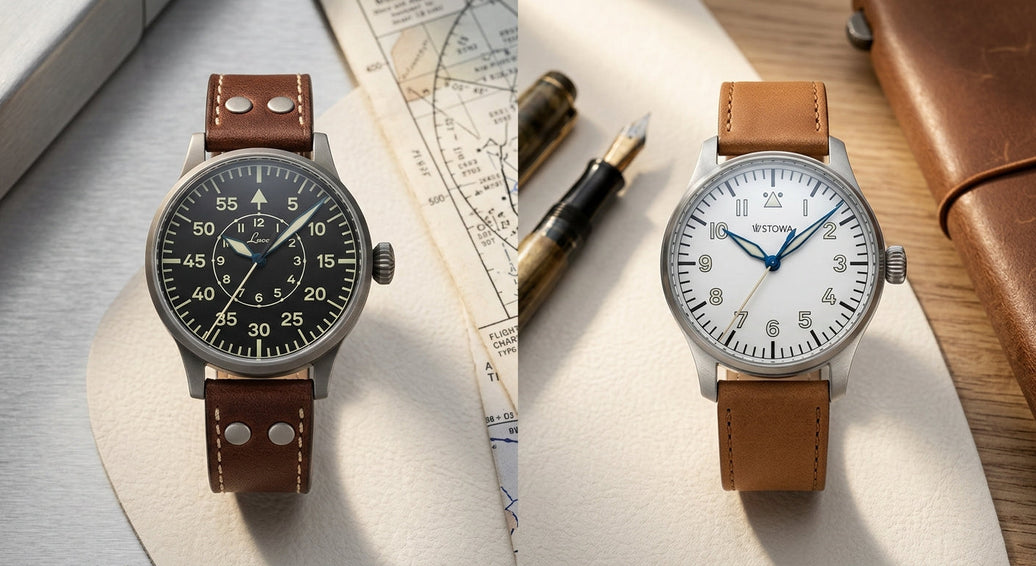
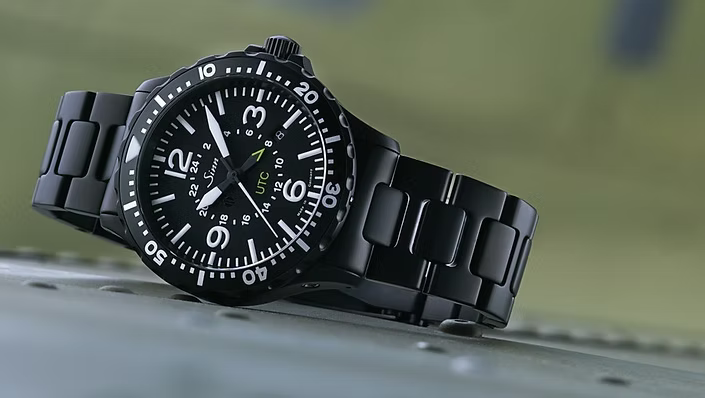
One more style worth knowing: the pilot watch or "flieger". With its oversized numerals and WWII cockpit heritage, it is one of the most legible and characterful designs out there, and it pairs beautifully with casual wear. We rounded up favorites in five flieger watches under $1,000.
Step 3
Mainstream vs. microbrand and real examples for every style
Now let's make it concrete. For each style below, here is what a strong mainstream option and a strong microbrand option look like, with rough street prices as of this writing. Prices move over time, so treat these as ballparks, not gospel.
Diver: Mainstream vs. Microbrand
- Mainstream: A Seiko 5 Sport (around $295–$345) or a step-up Seiko Prospex diver delivers Japanese automatic reliability and decades of dive-watch pedigree. A Citizen Promaster is another bulletproof pick.
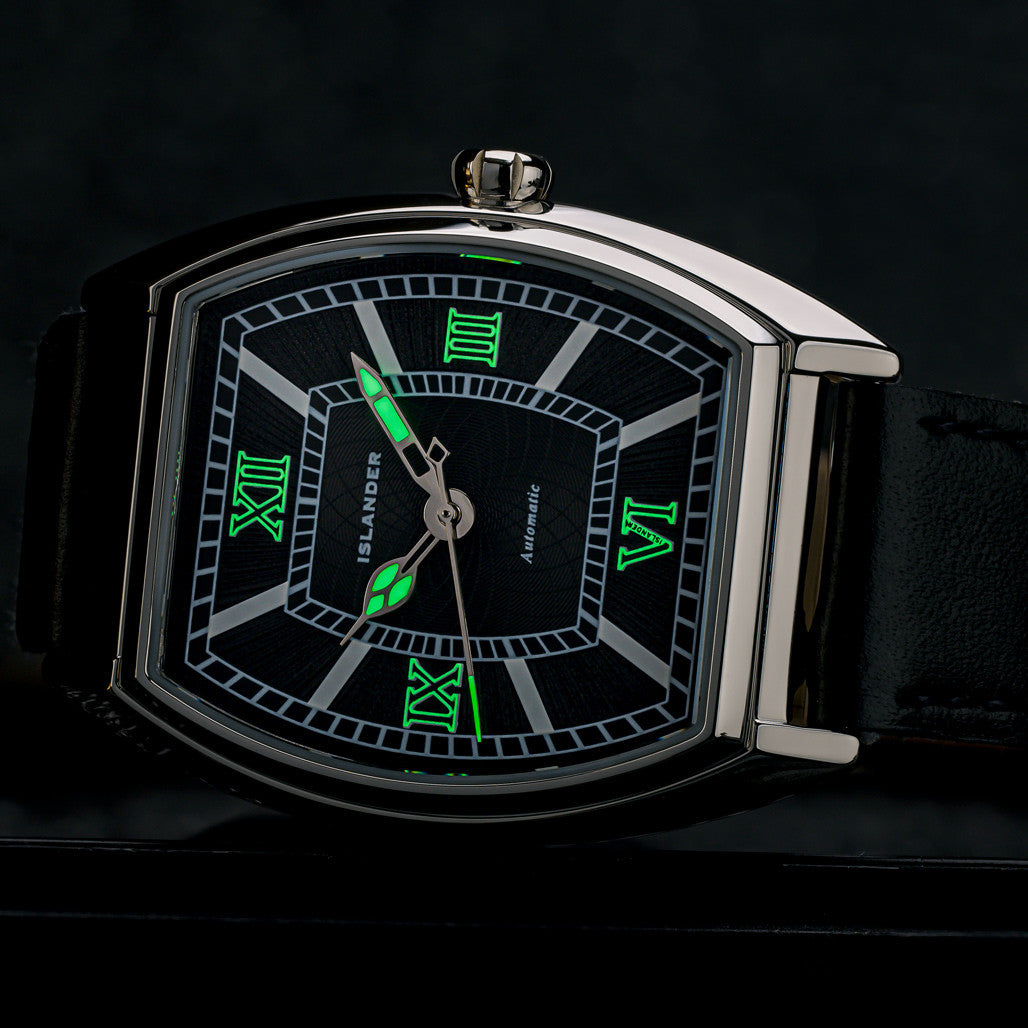
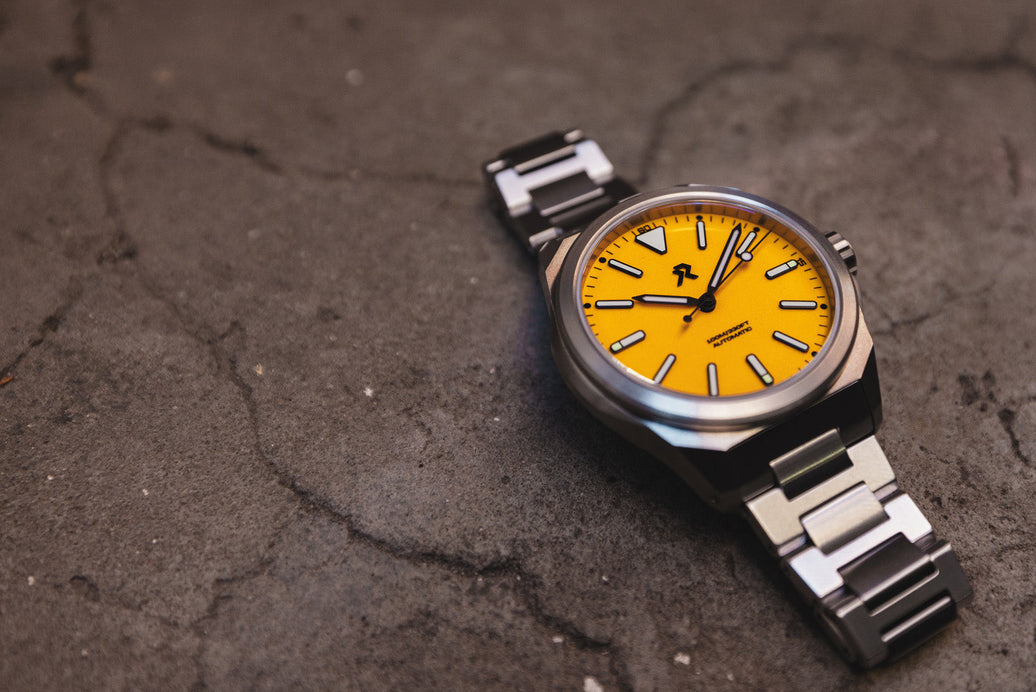
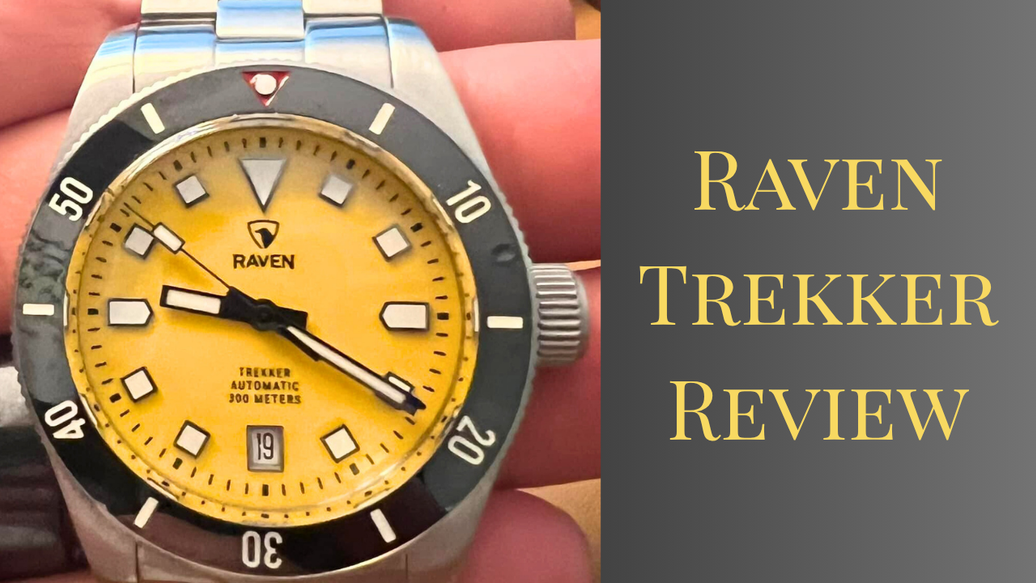
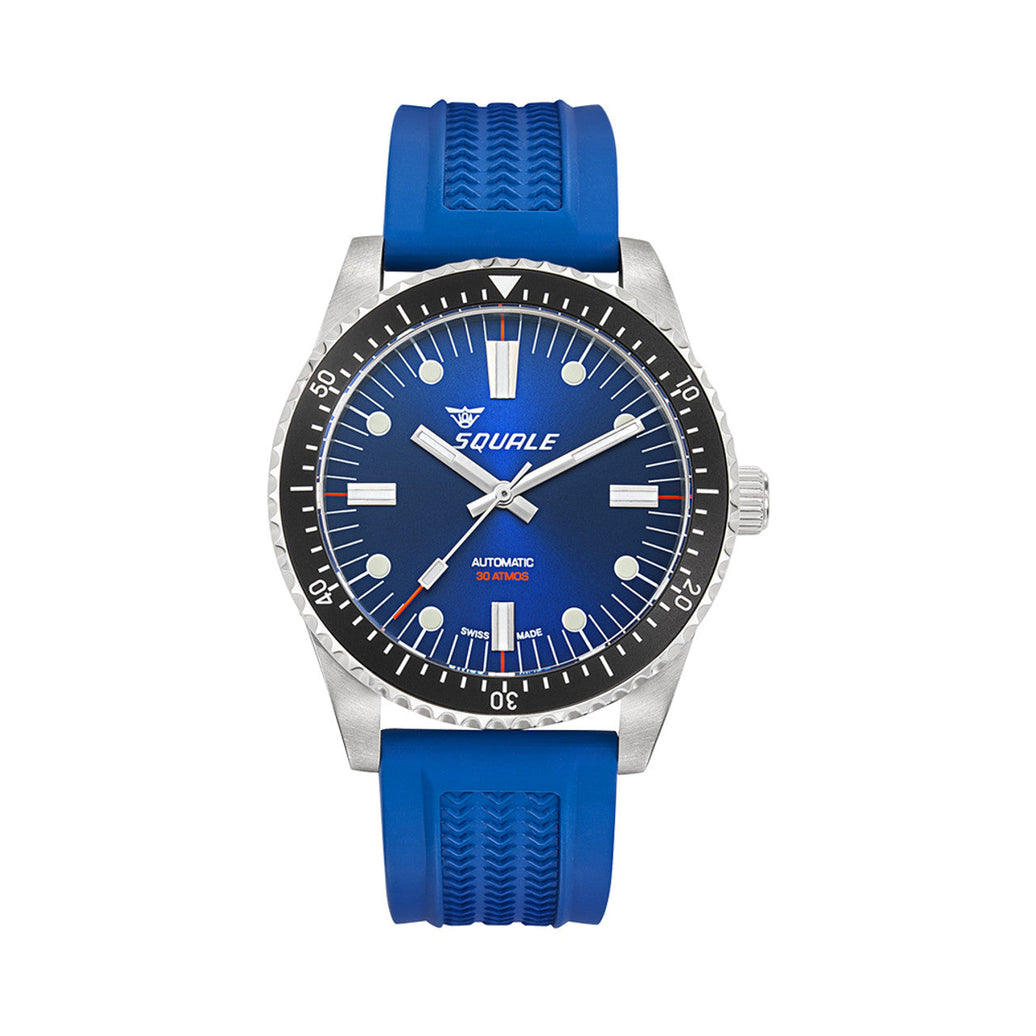
- Microbrand: An Islander automatic diver gives you Japanese movements, sapphire, and enthusiast-grade detail typically in the $200–$450 range. Prefer something lighter and tougher? An RZE titanium diver brings scratch-resistant titanium and a hard surface coating, usually around $300–$550.
Field: Mainstream vs. Microbrand
- Mainstream: The Hamilton Khaki Field is the benchmark Swiss field watch, with genuine military heritage and an 80-hour-power-reserve movement (roughly $500–$700 depending on hand-wound vs. automatic). A Seiko 5 also makes a superb, lower-cost field-style daily.
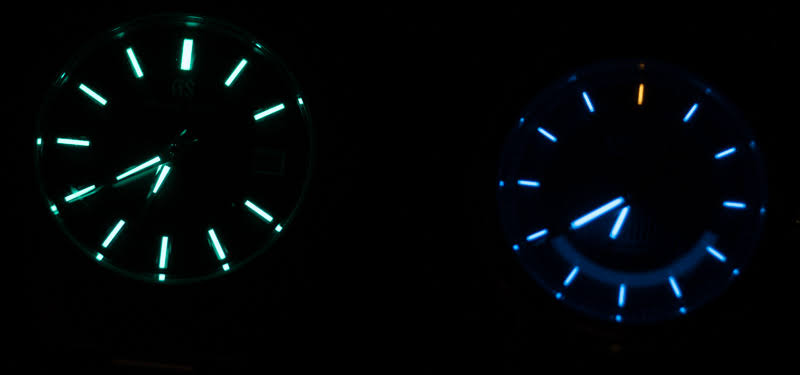
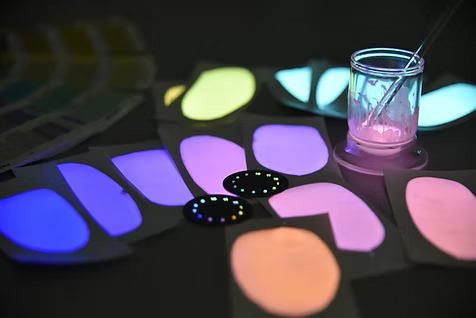
- Microbrand: An RZE titanium field watch is light, modern, and overbuilt for the price. For something with actual military-spec credentials, Marathon builds genuine mil-spec watches with tritium-tube lume that glows for years without a light source.
Dress: Mainstream vs. Microbrand
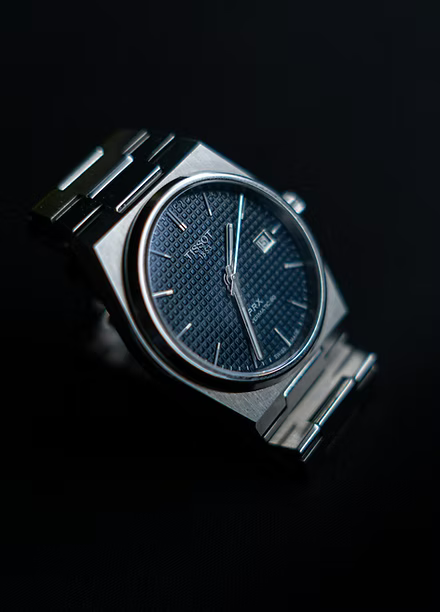
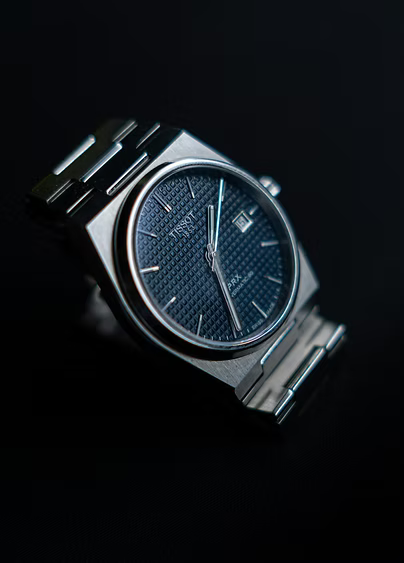
- Mainstream: The Orient Bambino is the long-running value champion of affordable dress watches. It's an automatic with classic looks, often around $130–$200. Want Swiss style with an integrated bracelet? The Tissot PRX bridges dressy and casual beautifully. A Seiko Presage steps things up with gorgeous dials.
- Microbrand: Brands like Baltic and Christopher Ward produce excellent dress pieces with vintage-inspired charm. And if you want a single watch that pulls double duty, a clean, simpler automatic on a leather strap can comfortably bridge smart-casual and formal.
Pilot/Flieger: The heritage option
If the cockpit look speaks to you, Laco is one of the original flieger makers. It's a brand with real WWII pilot-watch lineage. Their fliegers start around $410, are incredibly legible, and wear well with just about anything casual. It is a first watch with genuine history on your wrist.
How much should you spend on your first watch?
There is no single right number, but these tiers make the decision easier:
- Under $150: A reliable quartz or an entry-level automatic. A low-risk, low-regret way to test the waters.
- $200-$350: The sweet spot for a first watch. This is where your first proper automatic with sapphire crystal and real finishing lives, from both mainstream brands and microbrands.
- $3500-$900: A premium first watch. Swiss or a top-tier microbrand you will happily keep for years.
The golden rule: buy something you genuinely love and will wear often, not the watch the internet is hyping this month. Chasing hype is the fastest way to end up with a drawer full of watches you do not actually like. It's a trap we explore in these hard lessons on hype watches.
Five rules for first-time buyers
- Buy what you will actually wear. The best watch is the one that fits your real life, not your aspirational one.
- Match the case size to your wrist. 38–40mm suits most wrists. Go 42mm and up only if you have a larger wrist or prefer a bold look.
- Quartz or automatic are both valid. Quartz is accurate and zero-fuss while automatic is mechanical and characterful. Pick the ownership experience you want.
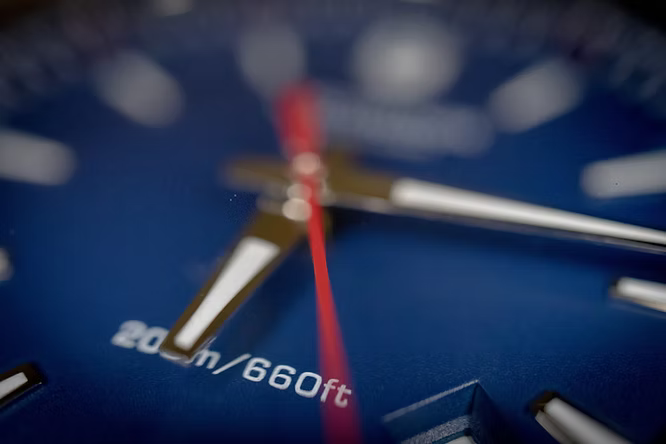
- Favor sapphire crystal and meaningful water resistance. Sapphire resists scratches, and at least 100m of water resistance gives you peace of mind for everyday life.
- Buy from a reputable, authorized seller. When making your very first purchase, a real warranty and authentic product matter far more than saving a few dollars on a gray-market deal. Unfortunately there are lots of fakes out there, and they can be hard to spot when you're new to the hobby.
And here is a cheap upgrade most beginners overlook-a fresh strap can completely transform a watch's character, taking the same piece from sporty to dressy in seconds. It is the most affordable way to get more out of your first watch.
Build a better collection
At Smallseconds, we know the watch world is noisy, and the first purchase is the hardest. We curate our shop around technical merit and real-world value, not hype. It's the kind of watches that make excellent first watches and stay in your rotation for years. Still not sure where to begin? Chat with our Watch Advisor and we will help you narrow it down, or join the Smallseconds newsletter for honest reviews, comparisons, and picks delivered to your inbox, plus 10% off your first order.
First Watch FAQ (Start Here)
Q: What is the best first watch to buy?
A: There is no single "best," but a versatile automatic diver or field watch from a respected mainstream brand or microbrand in the $150–$500 range is the most recommended starting point. It gives you durability, daily versatility, and real mechanical quality without overspending.
Q: Should my first watch be automatic or quartz?
A: Both are great. Quartz (battery or solar) is highly accurate and requires almost no attention. Automatic is mechanical and self-winding, with the charm of a tiny machine on your wrist. Choose based on whether you want fuss-free accuracy or a more hands-on ownership experience.
Q: How much should I spend on my first watch?
A: For most beginners, $150–$350 is the sweet spot — enough for a quality automatic with sapphire crystal and proper finishing. You can spend less and still get something reliable, or stretch to $350–$700 for Swiss heritage or a premium microbrand you will keep for years.
Q: Is a microbrand a good choice for a first watch?
A: Absolutely. Microbrands often offer more specs, better materials, and more unique designs per dollar than mainstream brands. Just understand the trade-offs: smaller service networks, less name recognition, and resale that is less liquid than established brands.
Q: What size watch should I buy?
A: For most wrists, a 38–40mm case is a safe, classic choice. Larger wrists can comfortably go 42mm or more. When possible, check a watch's case diameter and lug-to-lug measurement against your wrist before buying.
Q: Mall brand or microbrand, which is better for a beginner?
A: If you want the most watch for your money, a mainstream brand or microbrand will generally beat a fashion/mall brand on movement quality, materials, and long-term satisfaction. Mall brands are fine as fashion accessories, but most new enthusiasts quickly prefer the substance of the other two tiers.










Leave a comment