
|
What is the difference between watch regulation and adjustment?
|
If you’ve spent any time in watch forums, you’ve heard the terms "regulated" and "adjusted" thrown around interchangeably. However, in the world of high-end horology and movement engineering, they represent two completely different levels of skill.
Understanding the difference is the key to knowing why a $500 microbrand can sometimes keep better time than a $5,000 luxury piece, and why "out of the box" accuracy isn't the whole story.
What is Watch Regulation? (The Speed Controller)
Regulation is the most basic form of timing maintenance. Think of it like the "fine-tuning" knob on a radio.
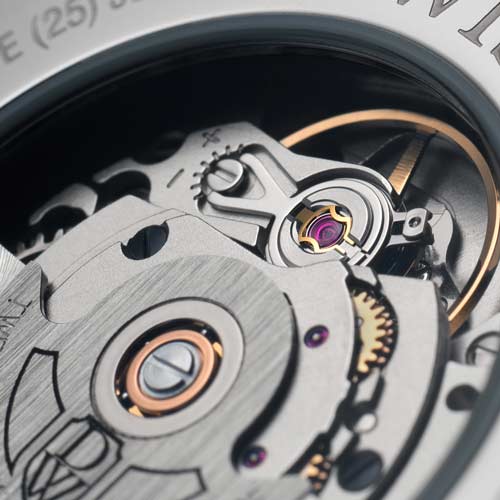
When a watch is regulated, a technician moves a regulator lever (or turns a micro-adjustment screw). This action changes the effective length of the hairspring.
-
Shortening the spring makes the balance wheel oscillate faster (watch gains time).
-
Lengthening the spring makes it oscillate slower (watch loses time).
Fun Fact: Regulation only changes the rate of the watch in the position it is currently in. It does not fix underlying mechanical inconsistencies.
What is Watch Adjustment? (The Physics of Gravity)
Adjustment is where the "Dark Arts" of watchmaking come into play. A watch can be perfectly regulated in one position (e.g., Dial Up) but lose 15 seconds a day the moment you hang it vertically (Crown Down).
Adjustment is the process of minimizing the delta, or the difference, between these positions. This involves:
-
Positional Adjustments: Correcting for the center of gravity in the hairspring or the friction on the balance pivots.
-
Isochronism Adjustments: Ensuring the watch keeps the same time regardless of whether the mainspring is fully wound or nearly empty.
-
Temperature Adjustments: Using materials and compensations to ensure the hairspring doesn't expand or contract too much in heat or cold.
The "Positions" Standard: From 2 to 6
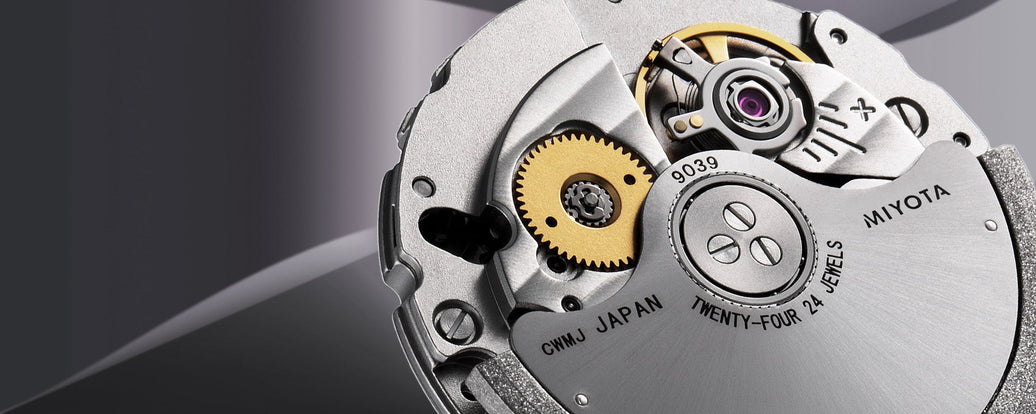
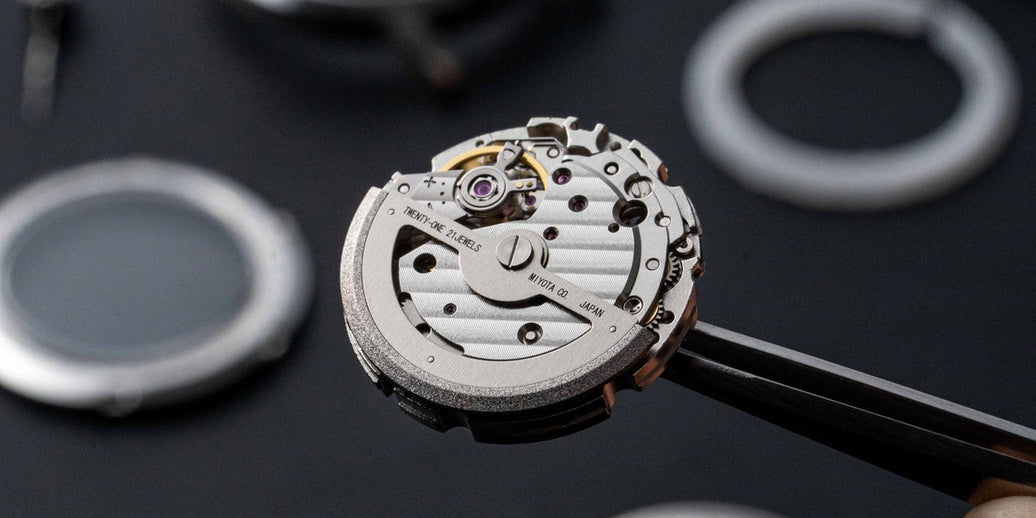
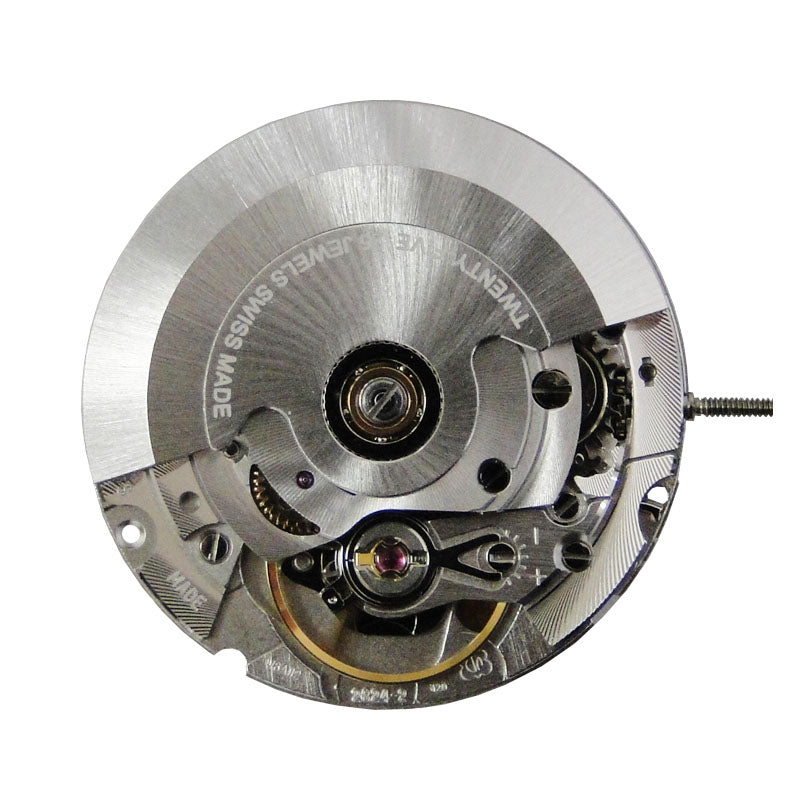
When you read a spec sheet for a movement like the Miyota 9015 or an ETA 2824-2, you’ll often see "Adjusted to X positions."
-
2 Positions: Usually Dial Up and Crown Down.
-
3 Positions: Dial Up, Dial Down, and Crown Down. (Common for "Premium" Microbrands).
-
5 or 6 Positions: The standard for COSC Chronometer certification. This ensures the watch is accurate no matter how you move your arm throughout the day.
It's important to understand that watch regulation is a speed adjustment that changes the rate of timekeeping by altering the hairspring length, while watch adjustment is the technical process of correcting for errors caused by gravity, temperature, and power reserve (isochronism). For real-world accuracy, a low 'delta' across multiple positions is more important than a single-position rate.
Build a Better Collection
At Smallseconds, we know the watch world is noisy. Whether you're looking for a 5-position adjusted tool watch or a reliable daily driver, we curate our shop based on technical merit. Enjoy this post? Join the Smallseconds Newsletter. We send out bi-weekly technical deep-dives, movement comparisons, and special access to store sales throughout the year.
Technical FAQ (Nerdy Section)
Q: Can any watch be adjusted to 5 positions?
A: Technically, yes, but lower-grade movements (like the Seiko NH35) lack the high-precision components (like a glucydur balance) to hold those adjustments reliably over time.
Q: Does a high beat rate improve adjustment?
A: Yes. A higher frequency (like 28,800 bph) provides more "resolving power," making it easier for a watchmaker to identify and correct for minor positional variances.
Q: Is "Regulated to 0 s/d" the same as "Perfect"?
A: No. A watch regulated to 0 seconds a day in one position may still have a 20-second delta across all positions. True accuracy is found in a low delta, not a single-position rate.
























Leave a comment