
| Feature | Sinn UX Series | Ressence Type 3/5/11 | DIY "Hydro-Mod" |
| Primary Benefit | Infinite Depth Rating | Total Refraction Removal | Visual Clarity / Modding |
| Oil Type | Special Synthetic Oil | Medical-Grade Silicone | Fluorinert or Silicone Oil |
| Movement Type | Quartz Only (ETA 955.652) | Mechanical (Isolated Chamber) | Quartz (Standard) |
| Depth Rating | 5,000m (Case) / 12,000m (Steel) | 30m - 100m (ISO 6425) | Varies (Risk of leakage) |
| Temp. Range | -20°C to +60°C | 0°C to +40°C | Narrow (No Bellows) |
| Compensation | Membrane Caseback | Mechanical Bellow System | Air Bubble (Expansion) |
Disclaimer
This article is for educational purposes only. Modifying a watch may permanently damage it and void warranties. Always consult a professional before attempting modifications.
In the world of watch collecting, there’s no shortage of unconventional mods, from bezel swaps to crystal upgrades. One of the most extreme (and controversial) is filling a watch case with oil. Yes, you heard that correctly, actual oil. While this practice sounds reckless at first, oil-filled watches have a real history in professional dive instruments and continue to fascinate enthusiasts chasing ultimate legibility and water resistance. So why do people do it? And more importantly, should you? Let’s break it down.
What Is an Oil-Filled Watch Case?
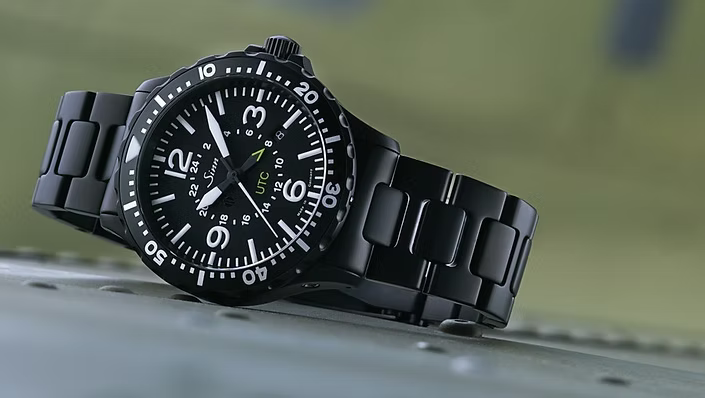
An oil-filled watch case is exactly what it sounds like. The air inside the watch case is replaced with a clear, non-conductive oil, usually silicone oil. This technique has been used in professional dive watches like the Sinn UX, where the entire case is filled to eliminate internal pressure differences and dramatically improve underwater readability. Some enthusiasts attempt DIY versions using quartz watches and specialized oils.
The Benefits of Oil-Filled Watch Cases
Incredible Underwater Legibility
This is probably the biggest reason enthusiasts do it. When light passes from water to sapphire crystal to air, it refracts. Oil has a refractive index closer to sapphire and water, which means the dial appears optically bonded to the crystal, there's no glare/reflection, and the dial looks painted directly onto the glass Underwater, the effect is dramatic and genuinely impressive.
Extreme Water Resistance (Theory)
Because oil is incompressible, pressure changes don’t affect the case interior. The theory is no air = no internal condensation and no fogging, ever. This is why oil-filled watches excel in deep-water professional use. To understand how oil affects pressure handling, it helps to know how water resistance works in conventional watches.
Shock and Vibration Damping
Oil can help absorb micro-shocks and reduce stress on delicate components. This is one reason oil-filled designs are often paired with quartz movements, which are more tolerant of immersion.
A Totally Unique Visual Effect
Let’s be honest, this mod can look really cool. The dial appears closer and the hands look sharper. The watch has been said to look “alive” from extreme angles and for enthusiasts who love unconventional watches, this is a big draw.
The Drawbacks
Automatic Movements Are a No-Go
Oil-filled cases are not compatible with mechanical or automatic movements. Why? It's because oil creates drag on moving parts and the lubricants inside mechanical movements are designed for air. The result is accuracy and longevity that suffer badly. If you're curious about how conventional automatic movements are lubricated and why oil immersion disrupts that, our breakdown of Seiko NH vs Miyota movements covers the basics.
Temperature Sensitivity
Oil expands and contracts with temperature changes which can cause the crystal to pop-off if improperly sealed, potential leaking gaskets, and pressure stress on seals. Professional oil-filled watches from brands like Sinn are engineered to compensate. DIY versions often are not.
Extremely Difficult (or Impossible) to Service
Once oil is inside the case a battery changes become complicated. Servicing requires full oil evacuation and refill and dust contamination becomes a complete nightmare. A lot watchmakers will not touch oil-filled watches, especially DIY ones.
High Risk of Leaks and Permanent Damage
One failed gasket can mean a ton of problems. Oil leaking into the movement, oil escaping onto the dial, you get the idea. The results is a permanently ruined watch.
It Can Destroy Resale Value
Modifying a watch this way voids warranties and can cut down on resale appeal.
Why Brands Like Sinn Can Pull It Off
Sinn’s oil-filled watches succeed because the entire case is purpose-built. This includes specialized seals, temperature compensation systems are engineered into the watch design, and movements are chosen specifically for oil immersion.
Should You Oil-Fill a Watch Yourself?
The short answer for most people is no.
Longer answer for some people: If you’re an experienced hobbyist working with a cheap quartz watch, the correct silicone oil, and proper sealing equipment, then it can be an interesting experiment.
Either way it should never be attempted on automatic watches, valuable watches, or watches you expect to service normally. If you aren't willing to toss the watch in the trash if things don't go right, don't do it.
Final Thoughts: Fascinating, But Not for Everyone
Oil-filled watch cases sit at the far edge of watch enthusiasm. They're kind of part science experiment, part professional tool, part visual novelty.
They offer stunning legibility, impressive pressure handling, and a totally unique look. But they also come with serious risks. For most collectors, appreciating oil-filled watches is better than attempting one.
If you have more questions, check out the FAQ we created below.
Shop Purpose-Built Dive Watches
If the engineering behind professional dive watches appeals to you, browse the Islander collection for purpose-built dive watches designed for everyday wear and real-world water resistance.
Frequently Asked Questions: Oil-Filled Watch Tech
Q: Why can't I oil-fill a standard automatic mechanical watch?
A: Because of fluid resistance. A mechanical movement relies on a balance wheel oscillating at high speeds (typically 4Hz/28,800 BPH) through air. If you introduce oil, the liquid creates massive drag (viscosity) that slows the balance, kills the amplitude, and effectively stops the watch. Only quartz movements (with low-torque motors) or specially designed mechanicals with isolated "dry" movement chambers (like Ressence) can function with oil.
Q: Why does the dial look "painted" onto the crystal of a Sinn UX?
A: This is due to the Refractive Index. Light bends (refracts) when it passes from air to glass and back to air. By filling the gap between the dial and the sapphire crystal with oil (which has a refractive index nearly identical to glass), the light doesn't bend. This makes the dial perfectly legible from extreme angles—even 180 degrees—and removes the "mirror effect" that makes traditional divers unreadable underwater.
Q: Does the oil really make a watch waterproof to any depth?
A: Theoretically, yes. Since liquids are non-compressible, a watch filled with oil has no "air pockets" to crush. In a standard watch, the air inside creates a pressure differential that can shatter the crystal or collapse the case. In a Sinn UX, the internal pressure matches the external pressure, allowing the submarine steel case to remain essentially "depth-proof."
Q: What happens to the oil when it gets hot or cold?
A: Oil expands and contracts significantly with temperature changes. To prevent the watch from exploding or leaking, professional oil-filled watches use a compensation system. The Sinn UX uses a flexible membrane caseback that moves in and out, while Ressence utilizes a complex internal bellows system. Without these, a DIY "Hydro-mod" will often leak or form a "bubble" as the temperature shifts.
Q: Is it true that the battery lasts longer in an oil-filled watch?
A: Actually, it's usually the opposite. While the oil provides constant lubrication for the gear train, it also creates more resistance for the motor to push the hands through. This is why Sinn uses a specialized, high-torque Lithium-Ion battery in the UX models, which is rated for ~7 years but requires a factory return for replacement to ensure the oil is properly vacuum-sealed.



















Leave a comment