
Every watch on our shelves is built for a purpose, and picking the wrong style for your life is the most common regret we hear from first-time buyers. Before you fall for a dial color or a strap, it helps to understand what each style was actually engineered to do and which of our four brands does it best. Here's a real buyer's breakdown of dive watches, pilot watches, field watches, and modern everyday pieces.
Dive watches: Built for depth, worn every day
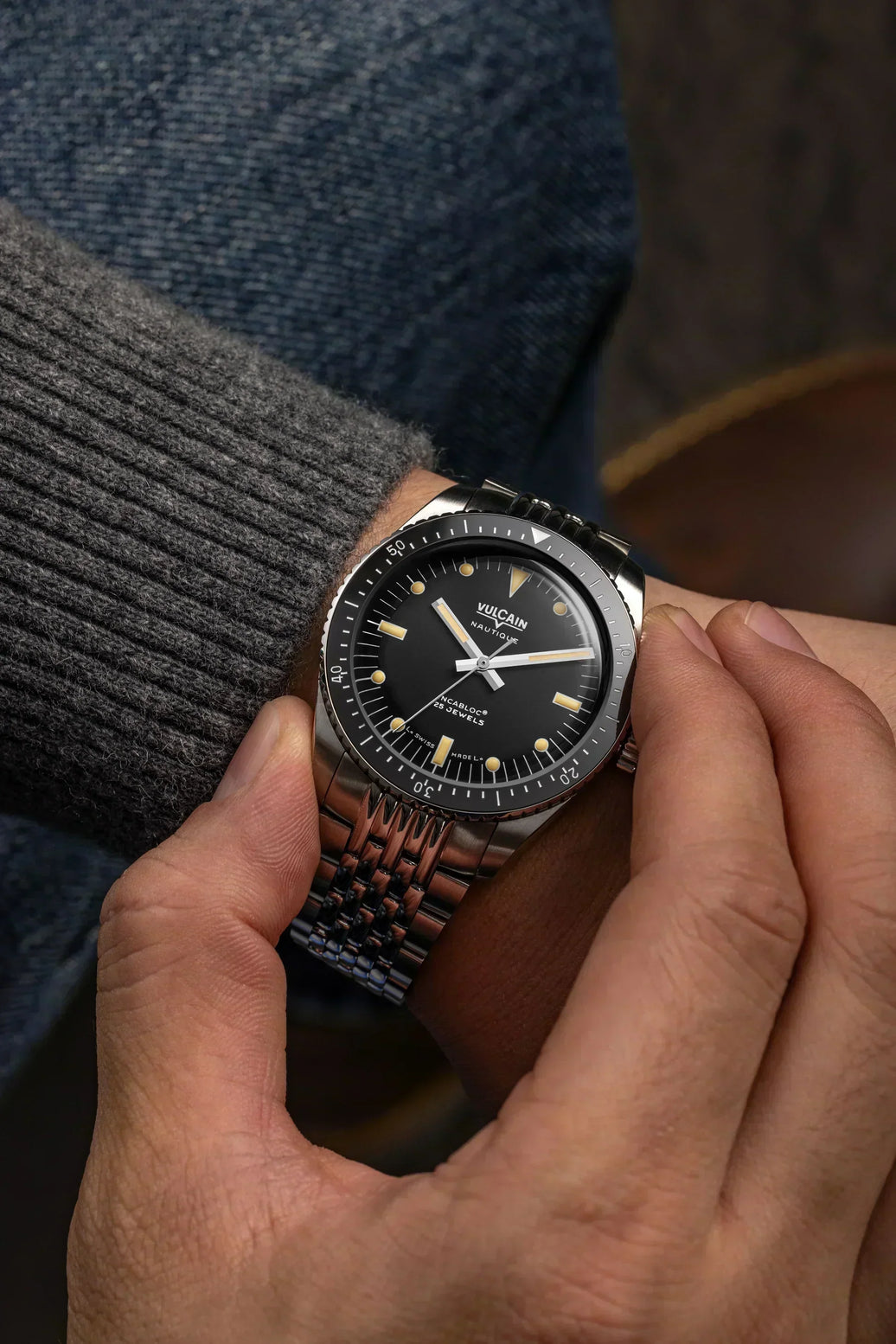
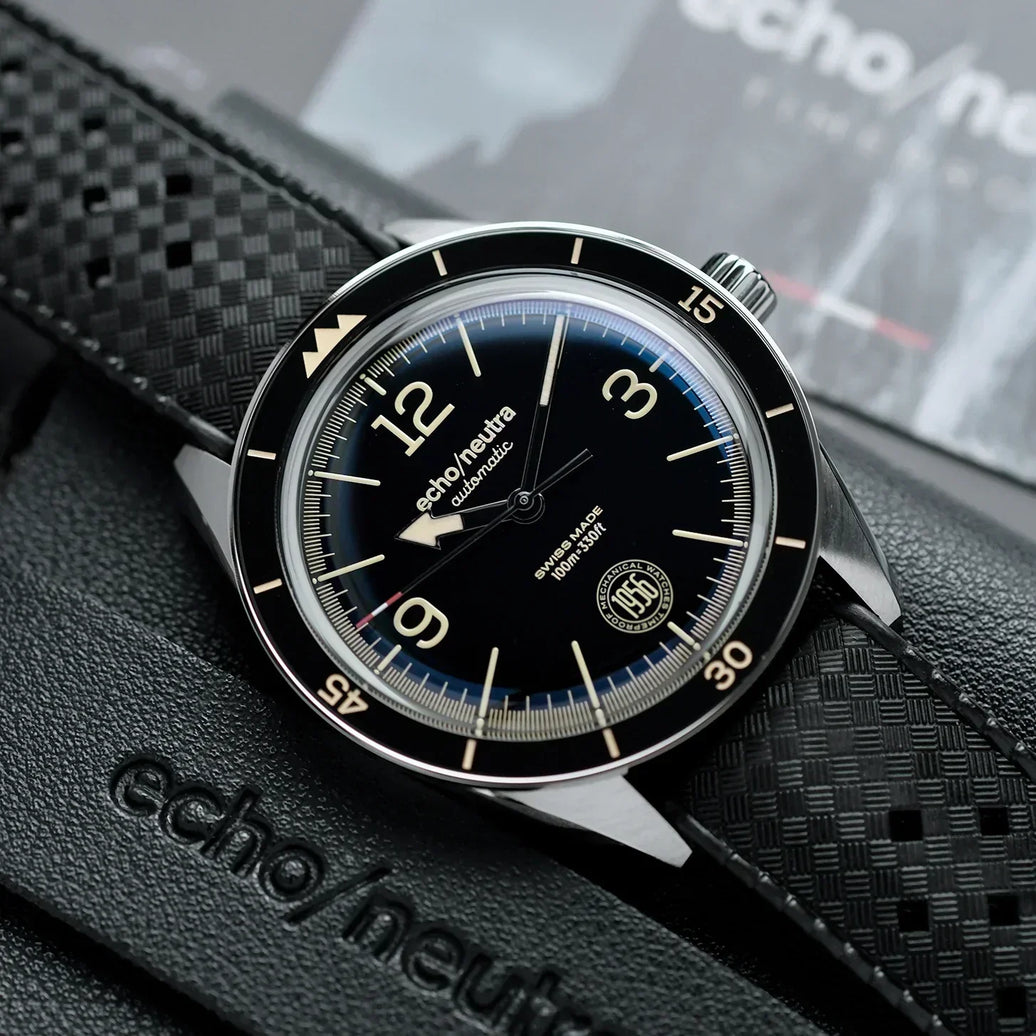
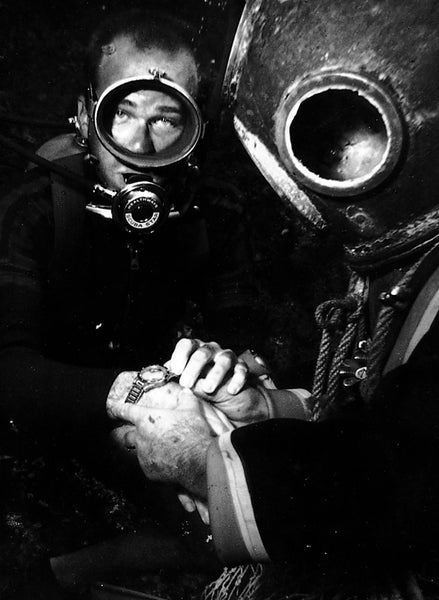
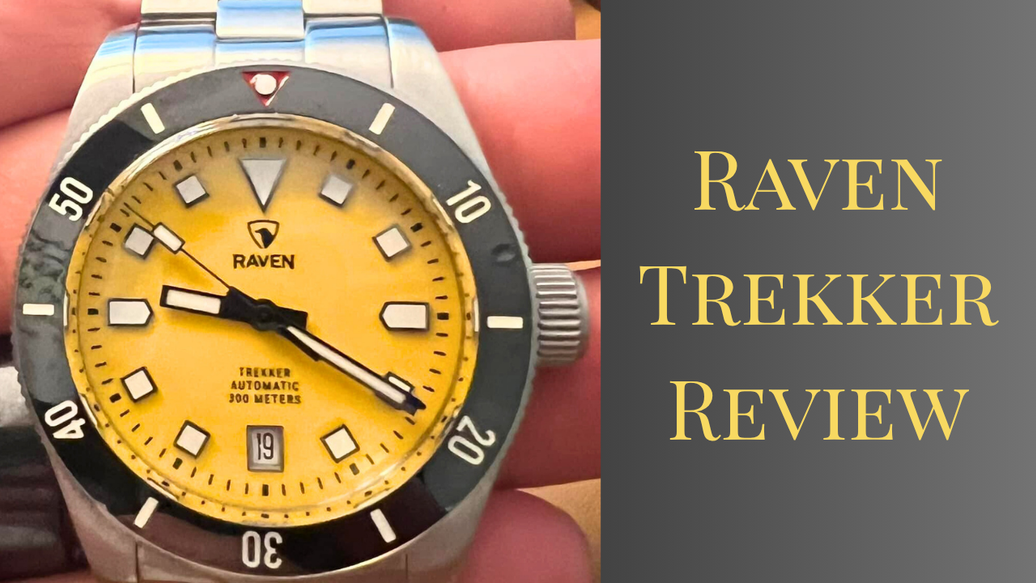
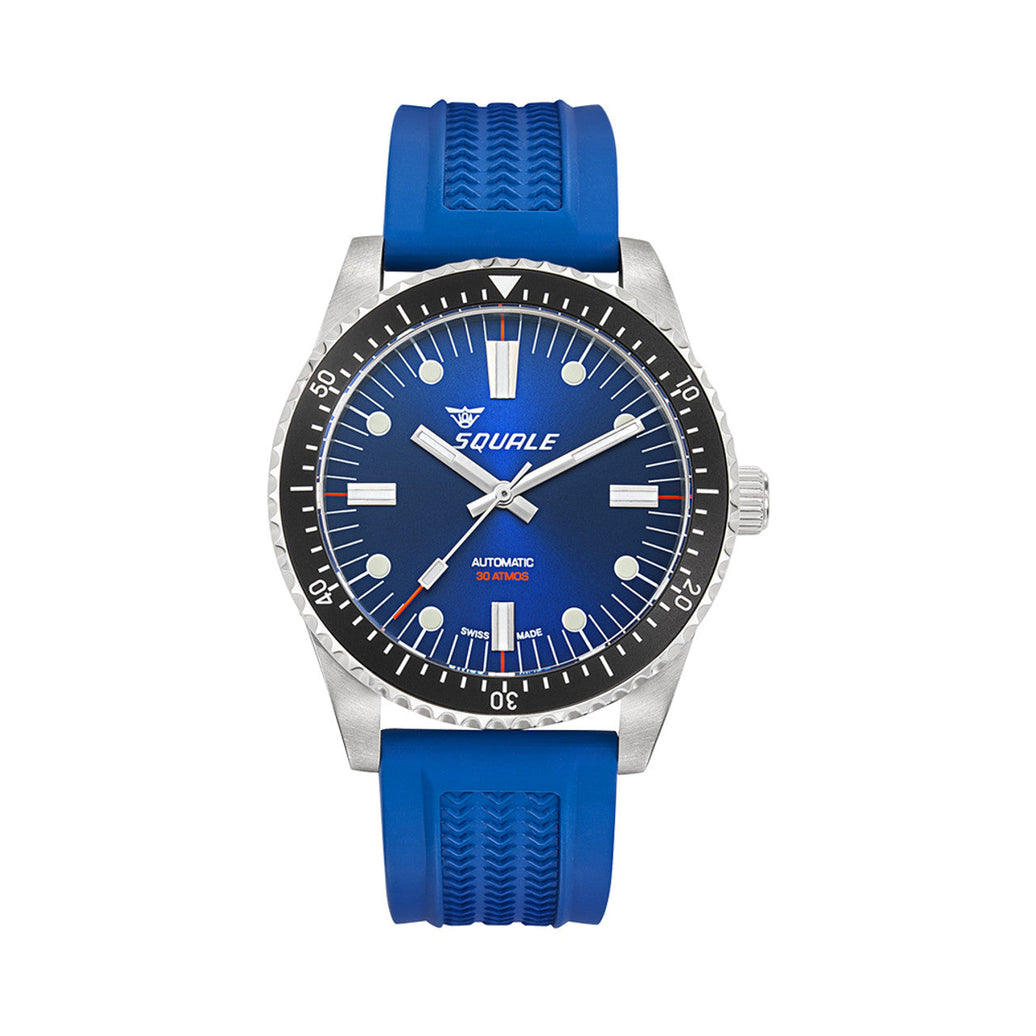
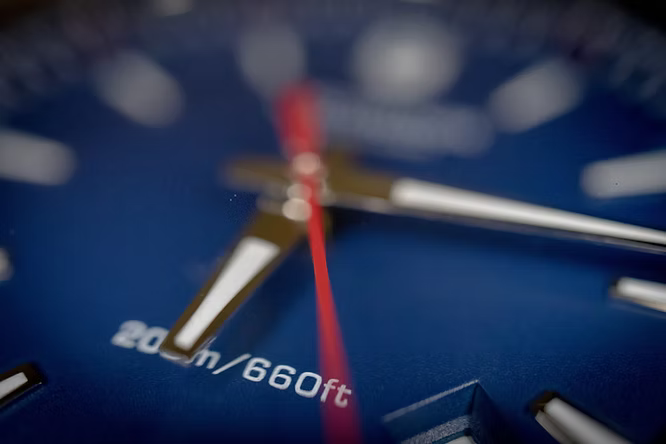
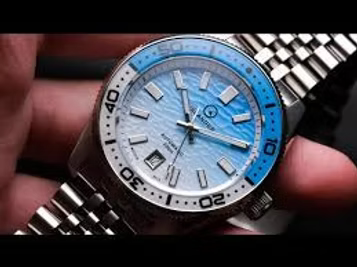
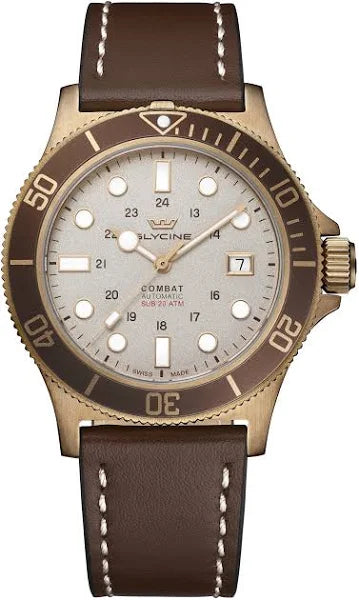
Dive watches are designed to survive real depth, real pressure, and real saltwater, which is exactly why they've become the most popular "do everything" watch on the market. Look for these features before you buy one:
- Water resistance rated 100m or higher (200m+ for serious diving)
- A unidirectional rotating bezel for tracking elapsed time underwater
- A screw-down crown to keep water out at depth
- High-contrast, lume-filled hands and markers for low-visibility reading
Our Islander Watch lineup ($249–$429) covers this category well, with automatic dive and field-dive hybrids that punch well above their price point on finishing and water resistance.
Pilot & Field watches: Legible, tough, understated
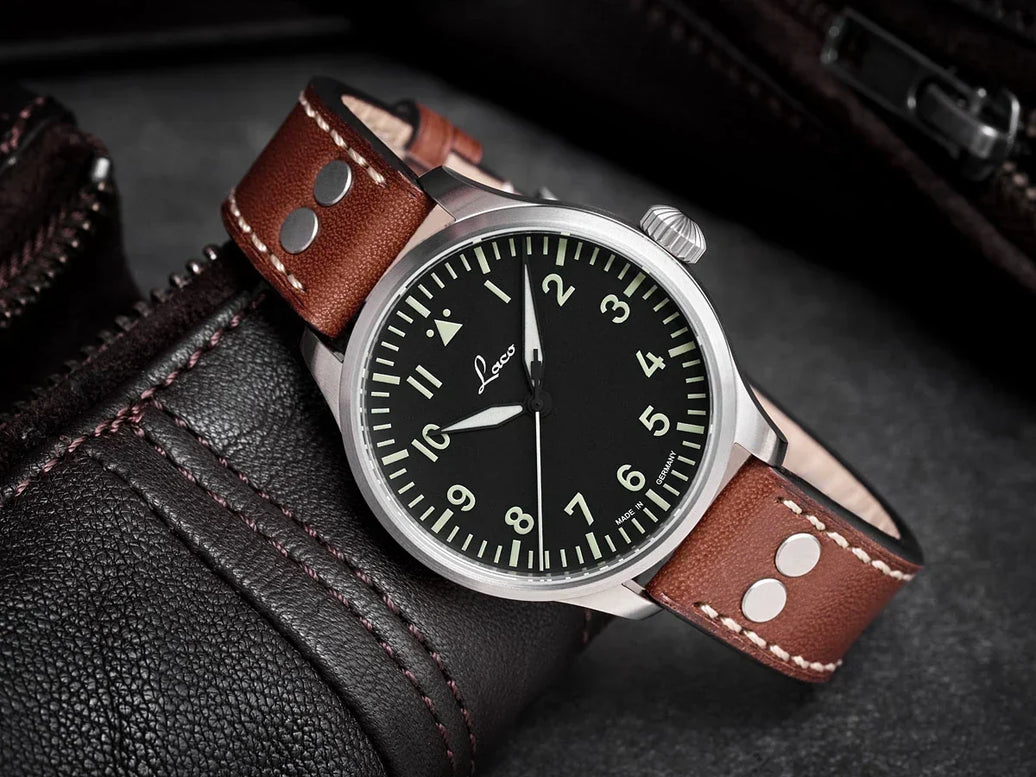
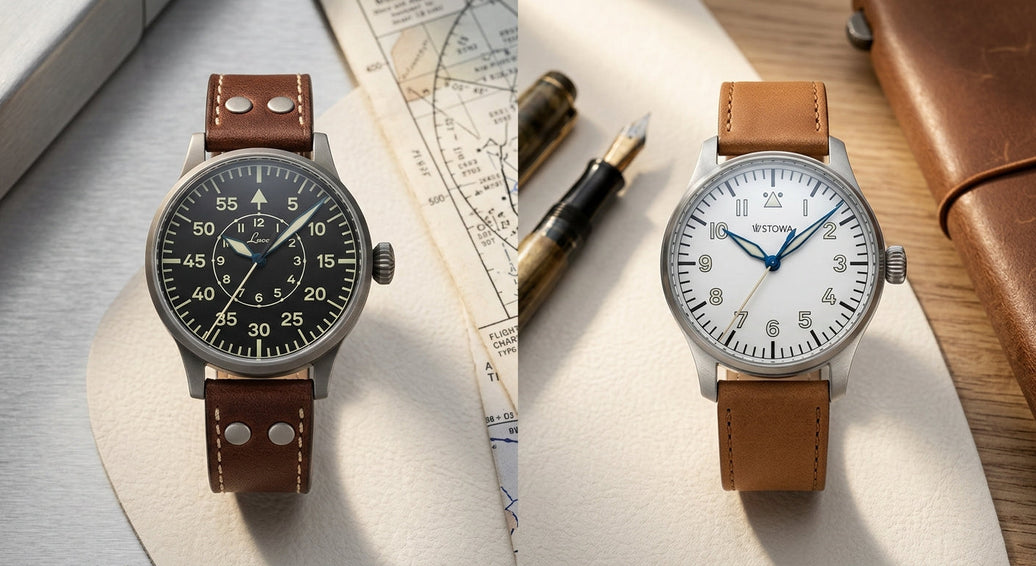
Pilot watches (Fliegeruhren) trace back to WWII-era cockpit instruments, built around one job: letting a pilot read the time instantly, at a glance, in any light. Field watches share that same obsession with legibility but trade the oversized dial for a smaller, more everyday-wearable case.
Our Laco collection ($460–$1,190) is the most historically accurate expression of this style we carry. They're genuine German-made pilot watches with the wide onion crowns and stark dials that define the category.
Military-grade tool watches: When "rugged" isn't marketing
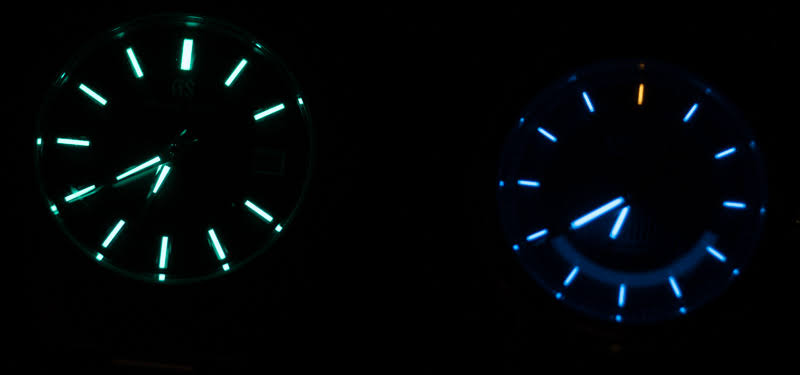
Some watches are rugged as a design choice. Others are rugged because they're actually issued to military divers and special operations units. Marathon falls firmly in the second camp. Their watches use tritium gas tube illumination (which glows for years with zero "charging" needed) and shock-rated cases built to genuine mil-spec standards.
Browse the Marathon lineup ($599–$1,999) if durability and always-on low-light legibility matter more to you than dress-watch elegance.
Contemporary everyday watches
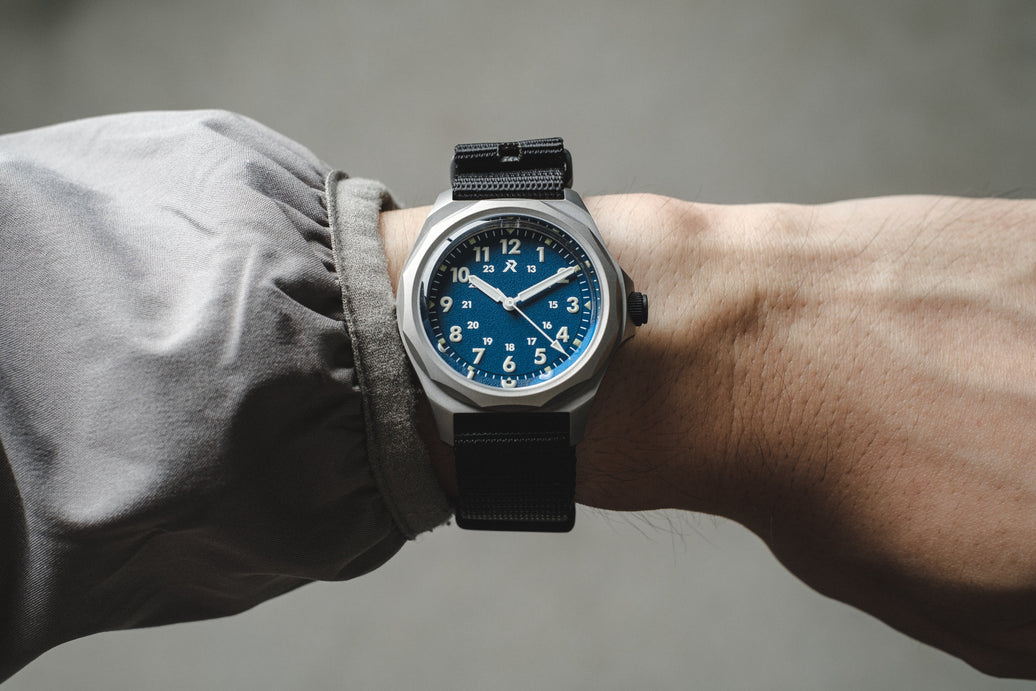
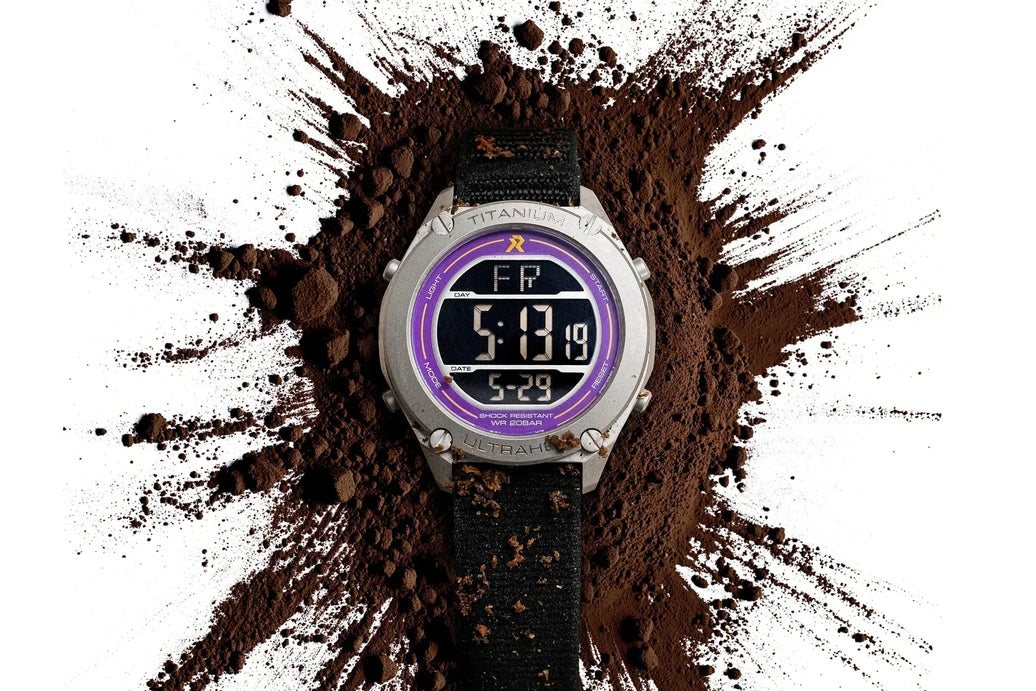
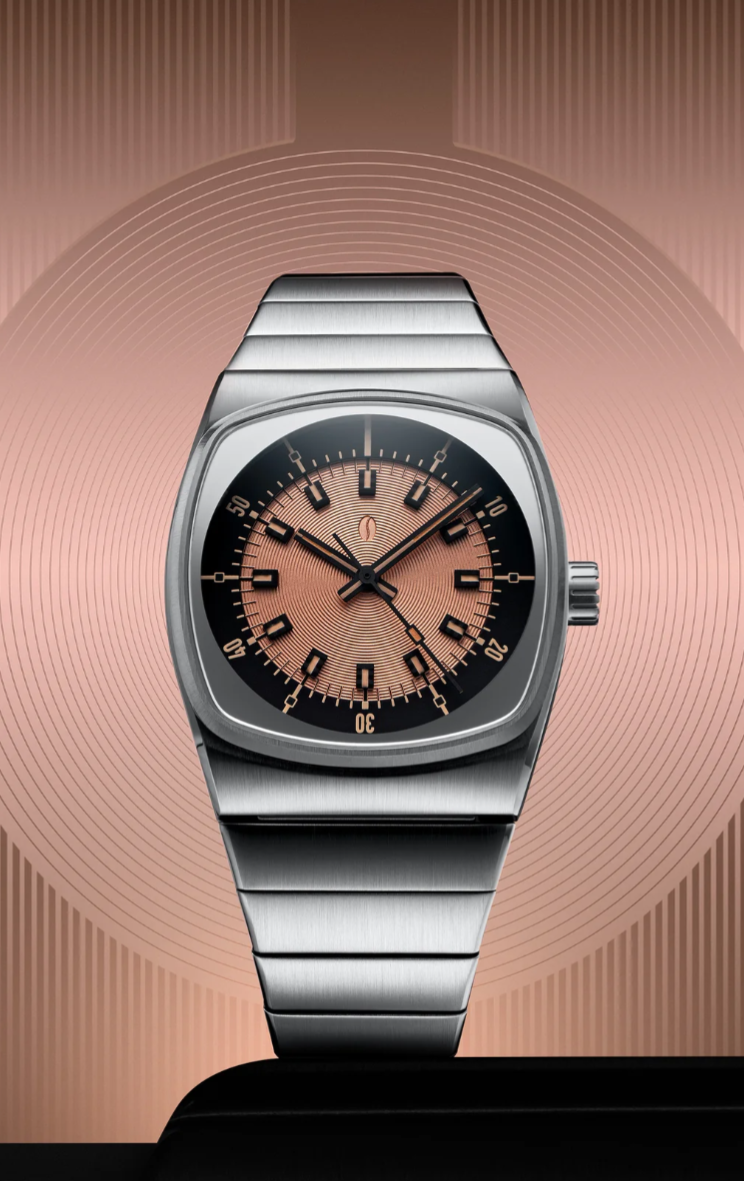
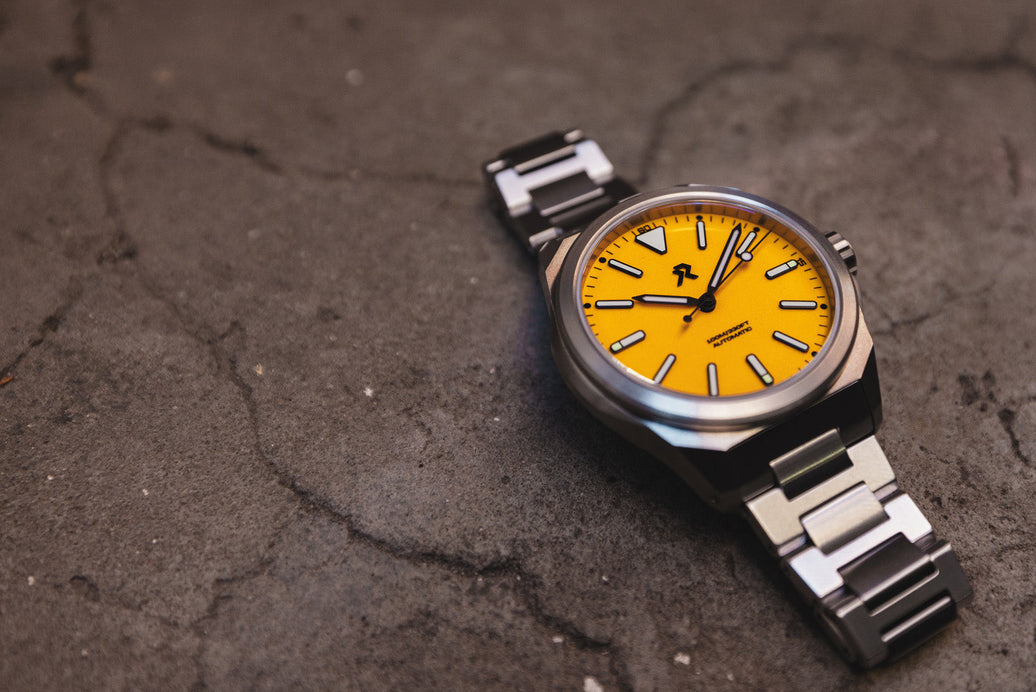
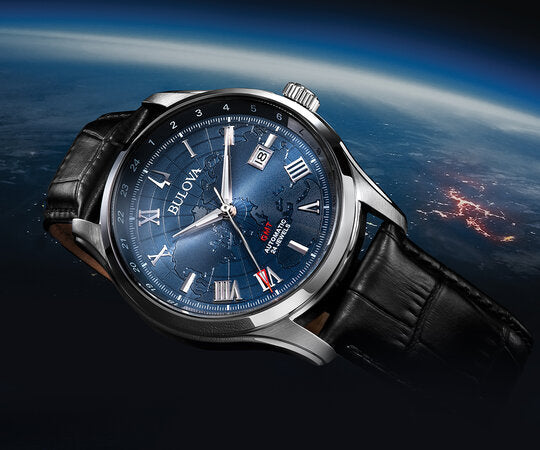
Not everyone wants a piece of military history on their wrist. RZE builds modern, design-forward watches. This includes automatic and digital-hybrid options, which are great for people who want a distinct, current look without the vintage-tool-watch aesthetic.
Check out the RZE collection ($285–$800) for the most contemporary options in our catalog.
How to match a watch to your actual life
Skip the spec sheet for a second and think about how you'll actually wear it:
- You swim, dive, or spend time near water: start with Islander
- You're into aviation, travel, or classic design history: start with Laco
- You need something that survives hard outdoor use or tactical conditions: start with Marathon
- You want a modern, minimalist daily wearer: start with RZE
Still not sure? Our Watch Advisor service can match you to a specific model based on wrist size, budget, and how you actually plan to wear it.
Frequently Asked Questions
What's the actual difference between a dive watch and a field watch?
Dive watches prioritize water resistance and underwater time-tracking (rotating bezel, screw-down crown). Field watches prioritize simplicity, legibility, and durability for land-based, outdoor use — they're rarely rated for serious water exposure.
Are automatic watches worth the extra cost over quartz?
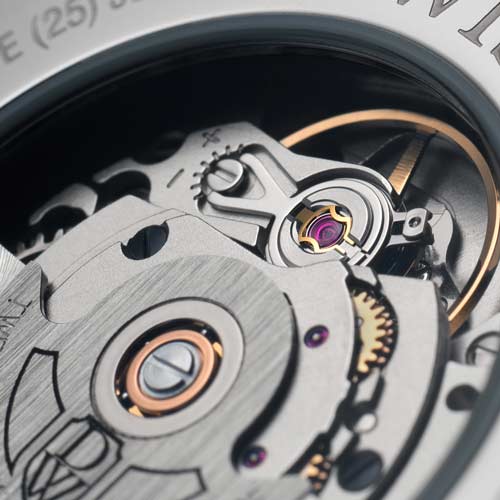
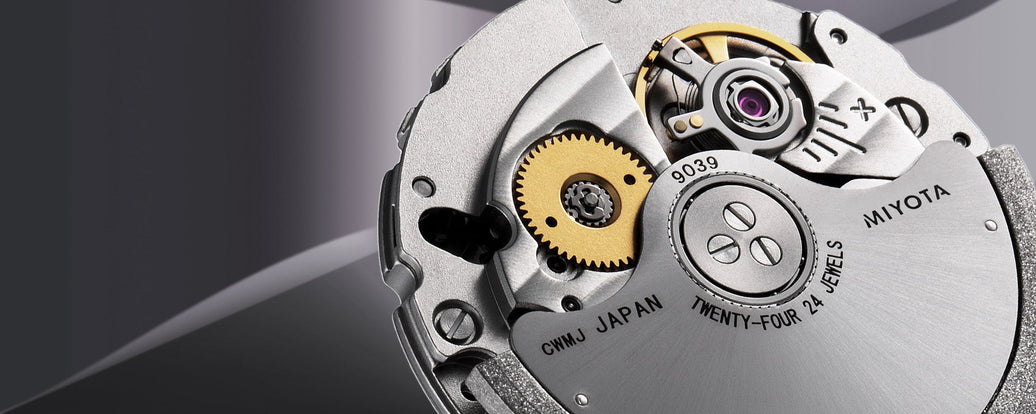
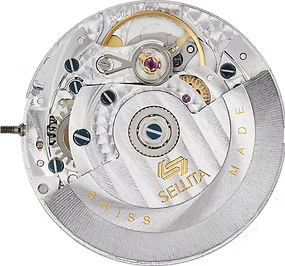
If you value mechanical craftsmanship and don't mind a watch that needs regular wear (or a winder) to stay accurate, yes. Quartz is more accurate day-to-day and needs zero maintenance, but automatics hold their character — and often their resale value — better over time.
How much should I spend on my first "real" watch?
Most first-time buyers land comfortably in the $250–$600 range, which covers our full Islander lineup and the entry points for RZE and Laco. It's enough to get genuine build quality without committing to a grail-tier purchase.
Can I swim or shower with a Laco pilot watch?
Most Laco pilot watches are rated for splash resistance, not submersion. If regular water exposure is a requirement, an Islander dive watch or a Marathon dive model is the safer choice.
Ready to find your next watch? Explore our full collection or reach out to the Watch Advisor team for a personal recommendation.













Leave a comment