
| Feature | Caller GMT (Office GMT) | Traveler GMT (Flyer GMT) |
| Primary Goal | Tracking a 2nd time zone from home. | Adjusting local time while traveling. |
| Independent Hand | The 24-hour GMT Hand. | The 12-hour Local Hand. |
| Date Adjustment | Quick-set via the crown. | Adjusted via the jumping hour hand. |
| Typical Movements | Seiko 4R34 / NH34, ETA 2893-2 | Miyota 9075, Tudor MT5652, Rolex 3285 |
| User Experience | Best for remote workers / office. | Best for pilots / frequent flyers. |
| Price Point | Usually $300–$600. | Usually $600–$4,000+. |
When you start looking at GMT watches, two terms pop up everywhere: caller GMT and traveler GMT. They sound similar, they both track multiple time zones, and they both look like a normal three-hand watch with a bonus arrow hand. The difference is simple once you know it.

What Is a Caller GMT?
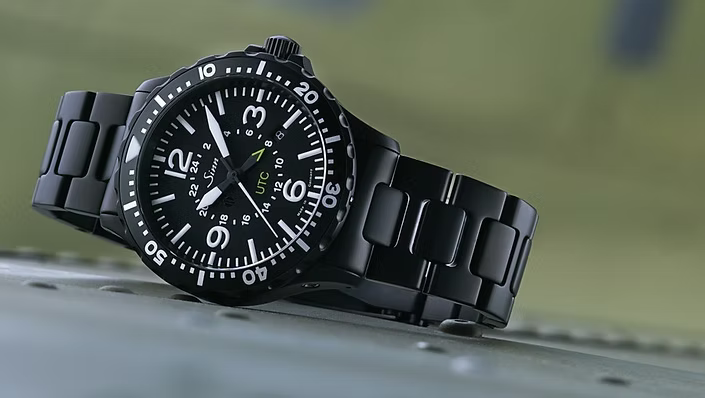
A caller GMT, also called an office GMT, is designed for someone who stays in one place but needs to track another time zone. The GMT hand is adjusted to track the second zone while the main hour hand moves normally. It is usually more affordable, simpler, and ideal for remote workers and everyday use.
What Is a Traveler GMT?
A traveler GMT, also called a true GMT or flyer GMT, is made for someone who travels across time zones. The local hour hand jumps independently while the GMT hand stays locked to home time. It is intuitive for frequent travelers, though the movements are more complex and often more expensive.
Which Type of GMT Is Better?
Choose a Caller GMT if you rarely travel, mostly work with another time zone, want the affordable option, or are buying your first GMT. Choose a Traveler GMT if you change time zones frequently, want intuitive time-zone changes, and don’t mind spending more.
At first glance, GMT watches all look the same. Knowing the difference helps you pick the one that fits your lifestyle. The Islander JFK offers a Caller GMT with a sapphire Pepsi bezel and 200m water resistance, while the Islander collection includes more options.
Shop GMT Watches for Home or Travel
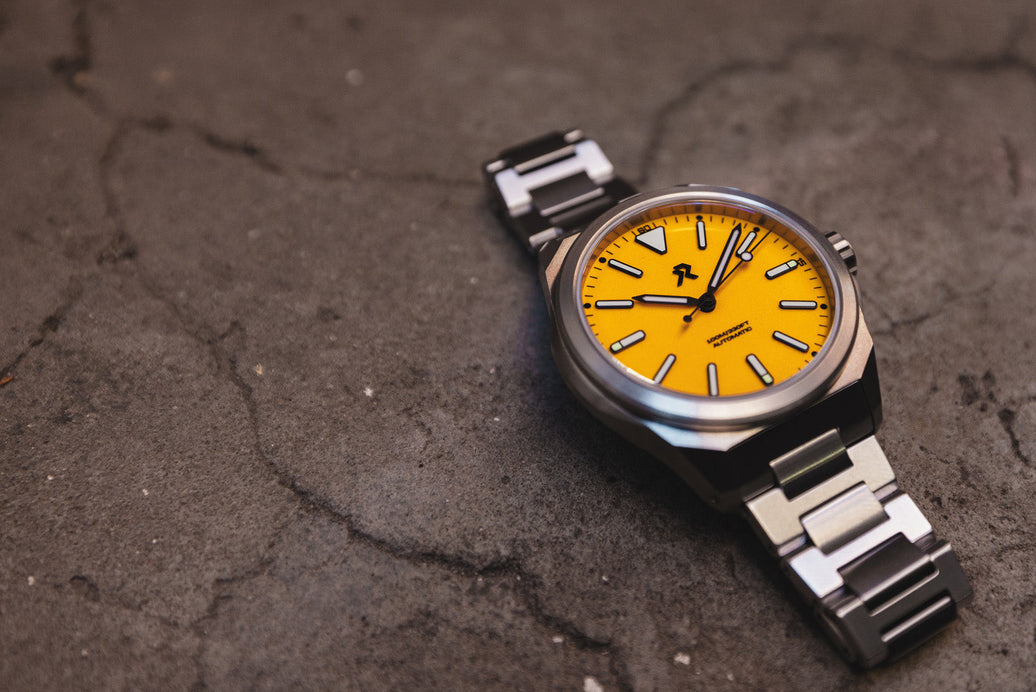
Browse Islander for affordable Caller GMT watches, or RZE for lightweight modern automatic watches suited to travel and everyday wear.
Frequently Asked Questions: GMT Watch Mechanics
Q: Why is a Traveler GMT considered more prestigious?
A: Traveler movements allow the local hour hand to jump without stopping the seconds or GMT hand, a historically more complex feature.
Q: Is the Seiko SSK a True GMT?
A: The 4R34 is a Caller GMT, where the 24-hour GMT hand adjusts independently. It is ideal for tracking a colleague or family member in another zone.
Q: What is the significance of the Miyota 9075?
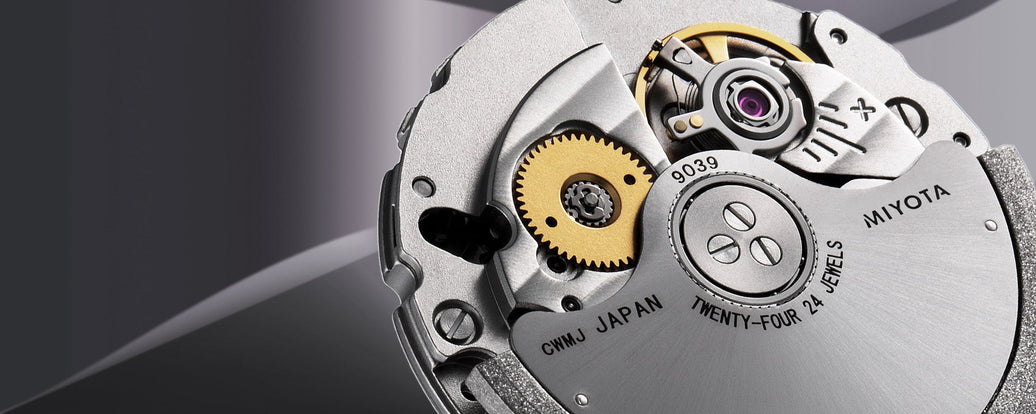
A: It is an affordable, high-beat movement with a true Traveler/Flyer jumping hour hand.
Q: Can I use a GMT bezel to track a third time zone?
A: Yes, if the watch has a rotating 24-hour bezel.
Q: Do GMT watches have a higher risk of mechanical failure?
A: They are more complex than three-hand watches, but modern NH34 and Miyota 9075 movements are reliable and serviceable.
















Leave a comment