
| Category | Baltic Watches | Christopher Ward |
| Design Language | Neo-Vintage / Mid-Century | Contemporary / Genta-Integrated |
| Technical Focus | Complications (Jumping Hour, Micro-Rotor) | Engineering (Chiming, Integrated, COSC) |
| Movement Strategy | Modified Soprod & Miyota (Custom Modules) | In-House SH21 & Sellita Power+ (65h) |
| Key 2026 Tech | Manufacturé à Paris (Auffret Collaboration) | Tool-less Bracelet System |
| Core Price Range | $600 – $3,500 | $1,000 – $4,500 |
| Brand Identity | The "Designers' Boutique" | The "Spec-Monster" Powerhouse |
The watch industry loves a good success story. Few brands embody that better than Christopher Ward, a once‑scrappy direct‑to‑consumer upstart that grew into a globally respected independent watchmaker with in‑house movements and serious horological credibility. This leads to a question many enthusiasts are starting to ask: Could Baltic Watches become the next Christopher Ward?
The optimist vs. The skeptic
The optimist in us: Baltic is on the same early trajectory
Let’s start with the obvious, which is that Baltic has momentum.
Founded in 2017 by Étienne Malec, Baltic arrived via Kickstarter and immediately stood out. Their launch campaign massively exceeded its funding goal and introduced collectors to something refreshing: vintage‑inspired watches that didn’t feel cheap, gimmicky, or overdesigned.
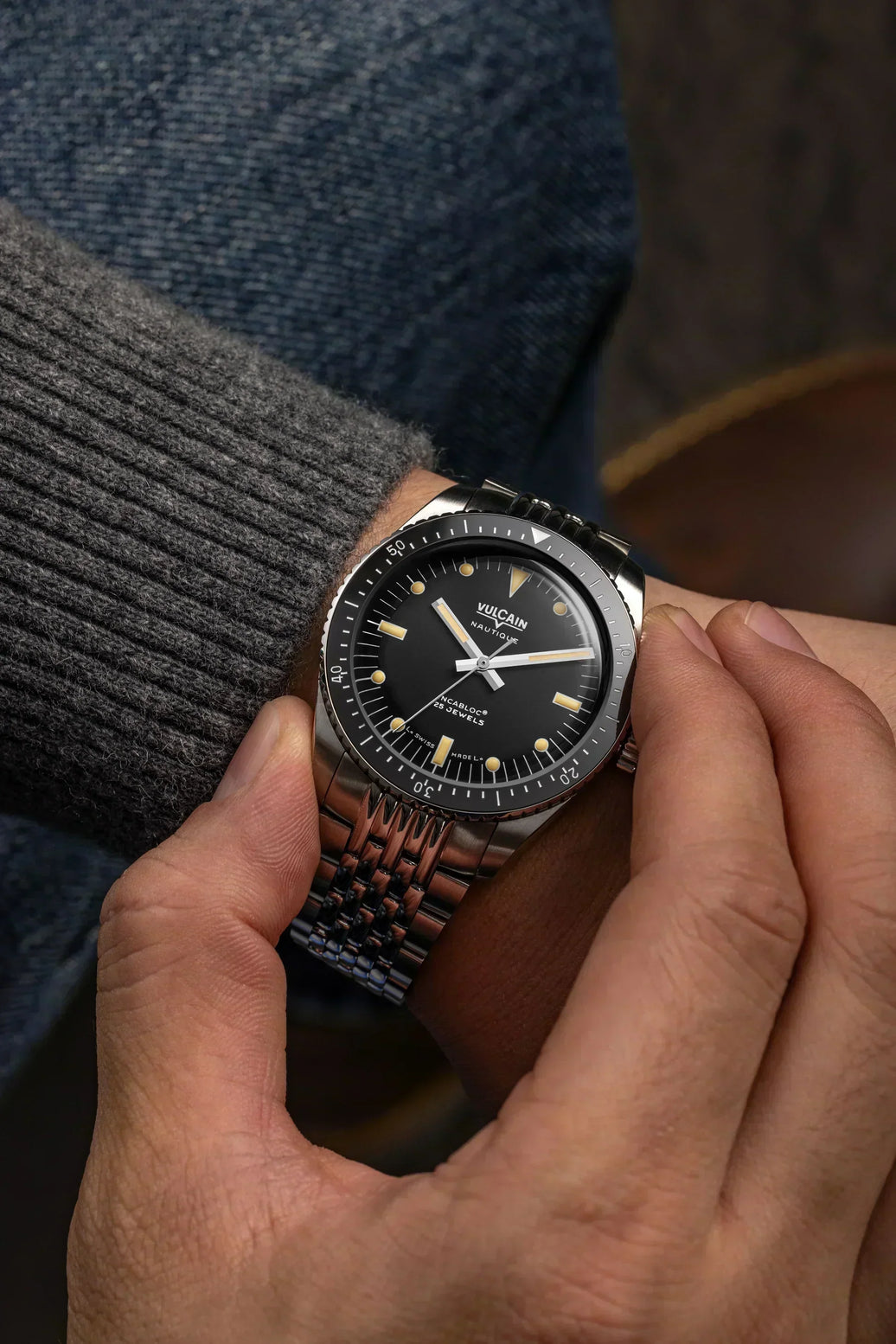
Watches like the Baltic Aquascaphe quickly earned praise from publications such as Worn & Wound and Time+Tide for their proportions, domed sapphire crystals, clean dials, and restrained sizing. The Aquascaphe in particular became a benchmark for what an affordable neo‑vintage dive watch could be.
Baltic followed that success with bicompax chronographs, field watches, and most recently GMT models that all stick closely to a cohesive brand identity. That consistency matters.
Christopher Ward didn’t start with in‑house movements either. In its early years, CW focused on offering excellent value, clean design, and Swiss‑made credibility at prices far below traditional luxury brands. Baltic is doing something very similar, just with French design DNA instead of British.
The skeptic in us: Design success isn’t the same as brand evolution
Baltic’s designs are undeniably attractive, but Christopher Ward didn’t become Christopher Ward on looks alone.
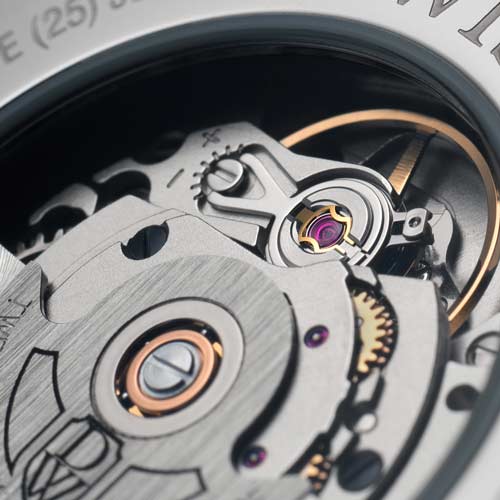
The pivotal moment for CW came in 2014 with the release of the SH21 movement, an in‑house caliber developed in Switzerland featuring a five‑day power reserve and chronometer‑grade performance. That single decision changed how the brand was perceived overnight.
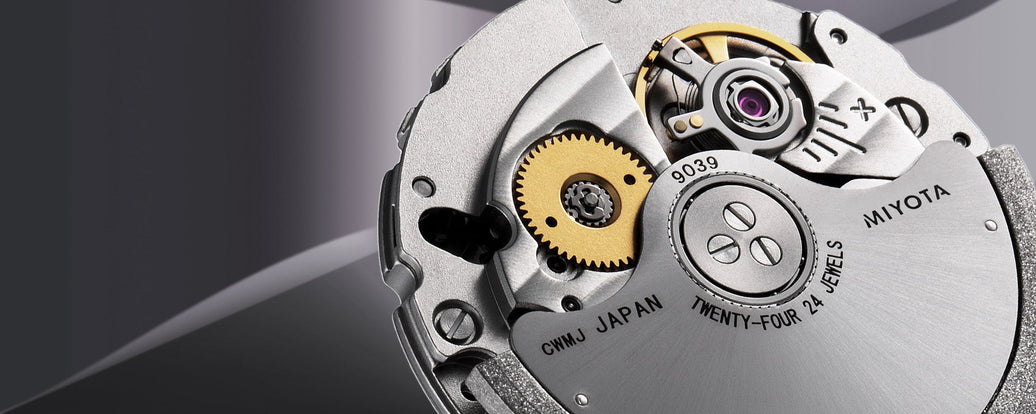
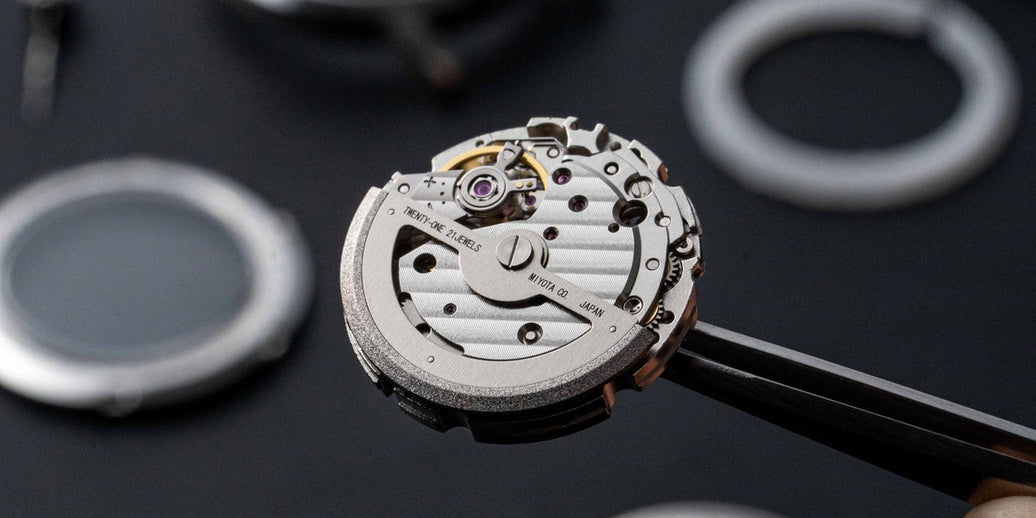
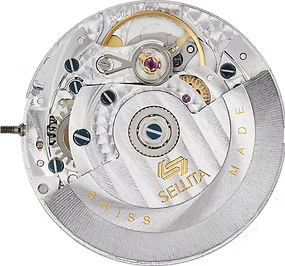
Baltic, by comparison, still relies on third-party movements from Miyota, Sellita, and Soprod. These are calibers we've written about in depth if you want to understand what the Miyota 9 Series actually delivers , and there’s nothing inherently wrong with them. In fact, many excellent brands do the same; but it keeps Baltic firmly in the design‑led microbrand category rather than pushing it into true watchmaking territory.
Christopher Ward also invested heavily in infrastructure, after-sales service, and customer trust. We covered the full arc of that evolution here. Policies like their long warranty periods and generous return windows helped convert first‑time buyers into repeat customers.
Baltic, meanwhile, has faced some criticism online regarding customer service consistency and quality control. That’s not uncommon for a fast‑growing brand but it’s a hurdle CW largely overcame early.
Specs, value, and market position
Where Baltic excels
Baltic watches typically offer:
- Thoughtful case sizing (often 36–39mm)
- Domed sapphire crystals
- Solid water resistance ratings
- Clean, legible dials
- Competitive pricing for mechanical watches
From a value‑for‑money standpoint, Baltic does very well, particularly for collectors who prioritize aesthetics and wearability over technical innovation.
Where Christopher Ward pulls ahead
Christopher Ward has increasingly leaned into:
- Proprietary and in‑house movements
- COSC certification on select models
- Advanced case finishing and bracelet engineering
- A wider range of complications and modern designs
CW’s watches now compete not just with microbrands, but with entry‑level luxury brands, which is something Baltic has not fully attempted quite yet.
Community perception
Baltic enjoys strong community support, especially among enthusiasts who appreciate vintage design cues. Many collectors argue that Baltic’s watches feel more charming and emotionally engaging than Christopher Ward’s more modern aesthetic.
However, Christopher Ward has built deeper brand trust over time. Owners often cite reliability, service experience, and long‑term ownership satisfaction as reasons they stick with the brand. Baltic is loved, but Christopher Ward is trusted, and that distinction can matter.
Final verdict: Can Baltic become the next Christopher Ward?
Short answer: Yes, but only if Baltic evolves.
Baltic has already clearly proven it can:
- Build a strong global following
- Deliver consistent, recognizable design
- Grow beyond Kickstarter origins
- Compete strongly in the affordable mechanical space
To truly follow Christopher Ward’s path, we believe Baltic would need to:
- Invest in proprietary or in‑house movement development
- Strengthen after‑sales service and customer support
- Expand technically, not just stylistically
- Evolve beyond neo‑vintage without losing its identity
Christopher Ward’s success came from strategic maturation, not just popularity. Baltic has the creativity and momentum, but the next phase will determine whether it becomes a long‑term industry force or remains a beloved design‑focused brand.
Either way, Baltic is no longer “just a microbrand.”
Frequently Asked Questions: Baltic vs. Christopher Ward
Q: Is Baltic becoming a true competitor to Christopher Ward?
A: Yes, but they are competing for different types of collectors. Christopher Ward is focused on technical dominance by offering COSC chronometers, 5-day power reserves, and integrated bracelets that rival Swiss icons. Baltic, however, is competing on design and emotion, utilizing specialized French watchmaking talent (like Théo Auffret) to create unique "complication" watches that look and feel like high-end independents.
Q: What is the "Seconde Majeure" and why does it change the conversation for Baltic?
A: Released in May 2026, the Seconde Majeure is a collaboration with SpaceOne that features a jumping-hour module. It moves Baltic beyond "Seiko-powered vintage divers" into the world of architectural watchmaking. While Christopher Ward has the Bel Canto, Baltic now has a jumping-hour piece that proves they can handle complex, deconstructed time displays at a similar price point.
Q: Does Christopher Ward have better movements than Baltic?
A: Generally, yes. Christopher Ward utilizes their SH21 in-house caliber and heavily modified Sellita Power+ movements with 65-hour reserves and COSC certification. Baltic focuses on the Soprod P024 and Miyota 9000 series; while reliable and well-finished, they typically prioritize the watch’s external design and unique dial complications over raw movement "specs" like accuracy certification.
Q: Why is Baltic's "Manufacturé à Paris" signature important?
A: In 2026, Baltic has moved much of its high-end assembly and module development to their Paris workshop. This "French revival" gives them a unique identity compared to the UK-based Christopher Ward. It highlights their transition from a brand that just assembles parts to one that develops custom mechanical solutions with local watchmaking talent.
Q: Which brand offers better bracelets?
A: In 2026, Christopher Ward is the industry leader in this category. Their new iLink system allows for completely tool-less link removal and micro-adjustment. While Baltic's "Beads-of-Rice" and "Flat Link" bracelets are beloved for their vintage comfort and aesthetics, they lack the high-tech, engineered precision of the current CW hardware.












Leave a comment