
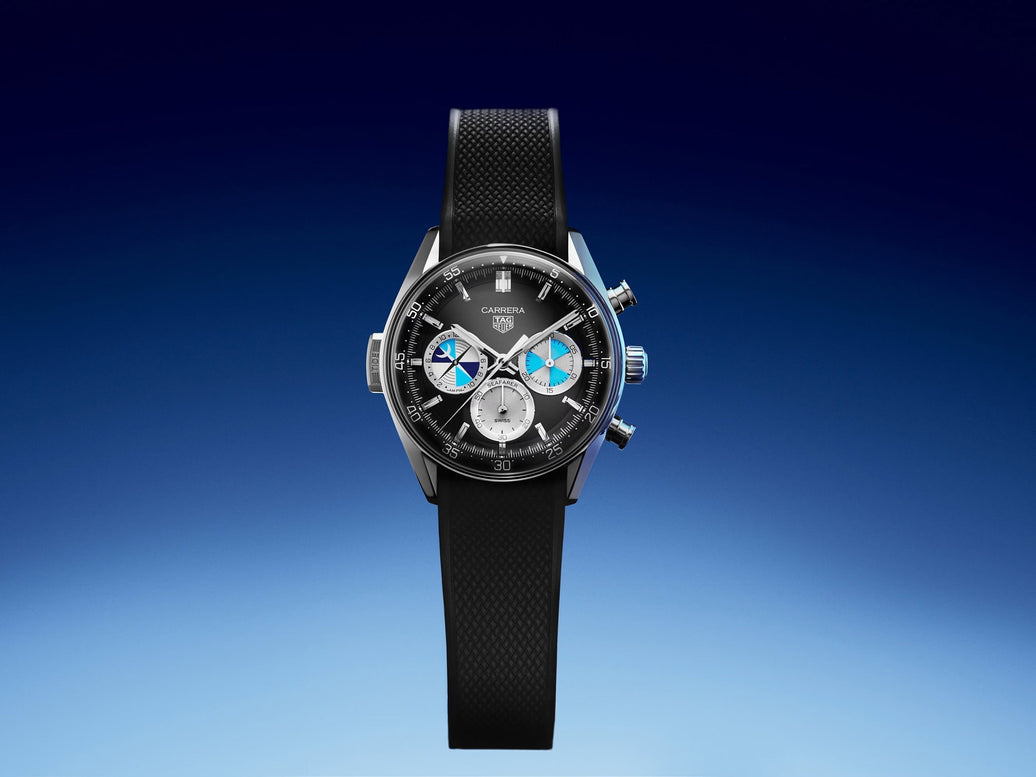
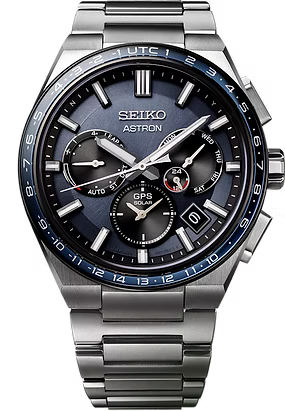
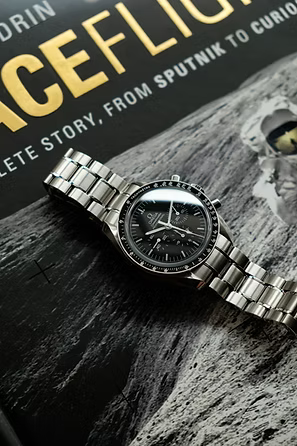
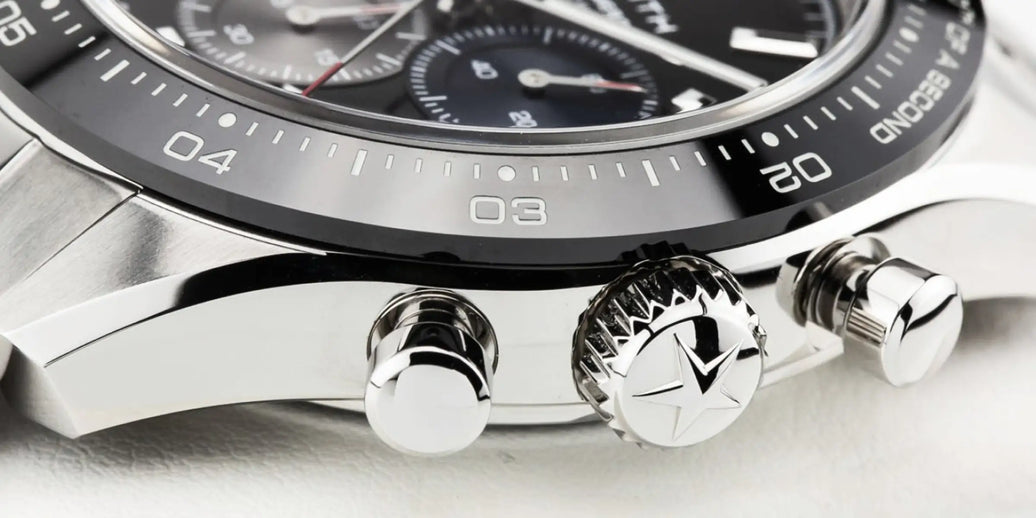
Quick answerA chronograph is a watch with a built-in stopwatch. One pusher (usually at 2 o'clock) starts and stops the timer, another (usually at 4) resets it, and subdials record elapsed minutes and hours while the central seconds hand acts as the stopwatch hand.
A chronograph is a type of watch that has additional features for measuring elapsed time. These features can be used for a wide variety of purposes, such as timing a race, keeping track of how long a particular task takes, or just adding an extra level of precision to everyday timekeeping. In this post, we'll take a closer look at how chronograph watches work and what sets them apart from other types of timepiece.

First, let's start with the basics. A chronograph watch is essentially a combination of a regular watch and a stopwatch. It has two main functions: timekeeping and timing. The timekeeping function works just like any other watch - it tells you the current time. The timing function, however, is where things get interesting.
How a Chronograph Works
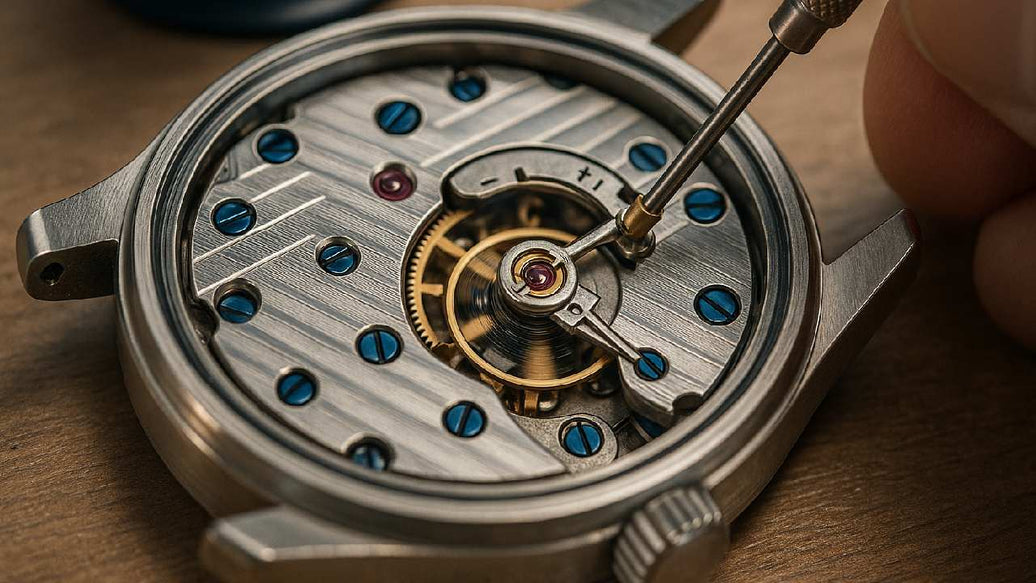
At its core, a chronograph watch is essentially a series of gears, levers, and springs that work together to start, stop, and reset a separate timer mechanism. This timer mechanism is typically located in the center of the watch face and is controlled by a series of buttons on the side of the watch case.
How to Use a Chronograph
When you want to start timing something, you simply press the "start" button on the side of the watch case. This triggers a small lever that releases a spring, which in turn starts the timer mechanism. The timer mechanism consists of a series of small gears that work together to count the number of seconds that have elapsed since you started the timer.
Once you're finished timing whatever it is you're timing, you can stop the timer by pressing the "stop" button on the watch case. This triggers another lever that stops the spring and halts the movement of the gears, freezing the timer at the precise moment you stopped it. To reset the timer and start again, simply press the "reset" button on the watch case, which triggers a small arm that returns the gears to their starting position.
Extra Chronograph Features
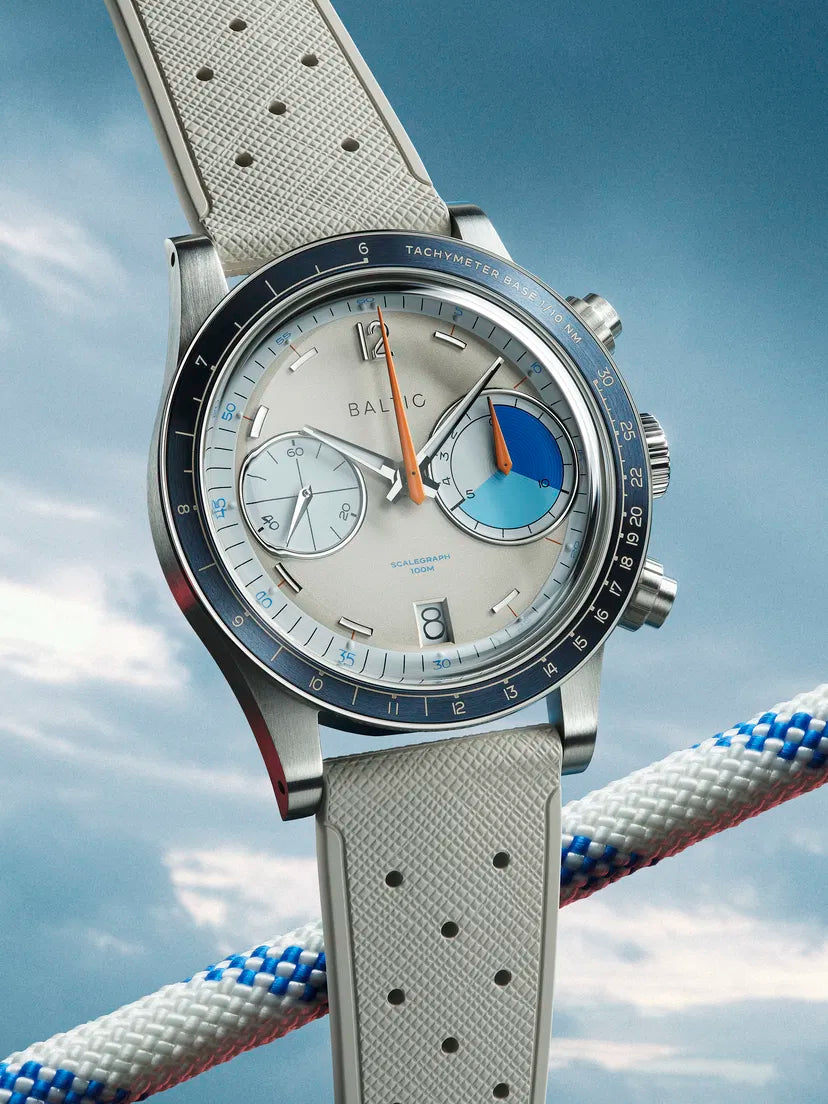
In addition to these basic timing functions, many chronograph watches also include additional features such as multiple timers, lap counters, and even tachymeters for measuring speed. These additional features are typically controlled by additional buttons on the watch case and can be used for a wide variety of purposes, depending on the needs of the wearer.
The Bottom Line
So there you have it - a quick overview of how chronograph watches work. While they may look and function like regular watches at first glance, the addition of a separate timing mechanism and a variety of other features make chronographs a unique and versatile tool for anyone who needs to keep precise time. Whether you're a race car driver, a pilot, or just someone who wants a little extra precision in your everyday timekeeping, a chronograph watch is an excellent choice.
Check out some of the watches we offer at our online store here: https://smallsecondswatchreviews.com/
Frequently Asked Questions
What is the difference between a chronograph and a chronometer?
A chronograph is a watch with a stopwatch function. A chronometer is a watch whose movement has been certified for high accuracy, usually by COSC. A watch can be one, both or neither.
Does running the chronograph wear out the movement?
Modern chronographs are built to be used. On some designs, leaving the chronograph running constantly adds wear and drains a mechanical watch's power reserve faster, so most owners only run it when they're timing something.
What is a tachymeter scale?
A tachymeter is a scale on the bezel or dial that lets you calculate speed. Start the chronograph at a marker, stop it after a known distance such as one mile, and read your average speed off the scale.







Leave a comment