
| Brand | Est. Annual Units | Est. Turnover (CHF) | Market Share |
| Rolex | 1,200,000+ | 11.0 Billion | 33.0% (Rank #1) |
| Cartier | 650,000 | 3.5 Billion | 9.0% (Rank #2) |
| Omega | 460,000 | 2.2 Billion | 6.0% (Rank #5) |
| Patek Philippe | 68,000 | 2.5 Billion | 7.0% (Rank #4) |
| Audemars Piguet | 53,000 | 2.6 Billion | 6.0% (Rank #3) |
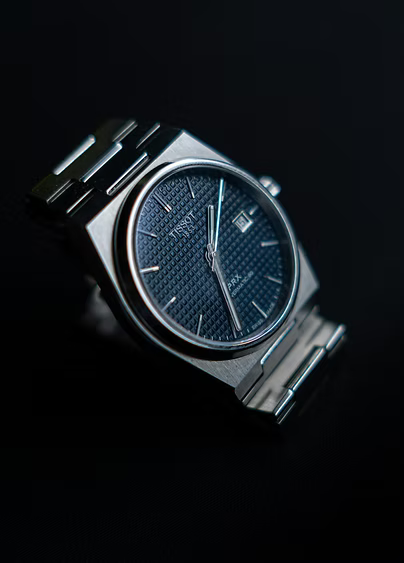
| Tissot | 2,800,000 | 850 Million | Entry-Level Volume |
Luxury watches are synonymous with elegance, sophistication, and high quality. Brands such as Rolex, Omega, and other high-end watchmakers are renowned for producing some of the most exceptional timepieces in the world. However, the question that often arises is, how many watches do they produce each year? In this blog post, we will explore the annual production figures of Omega, Rolex, and other high-end watch brands.

Omega
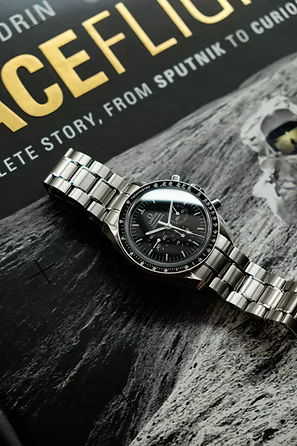
Omega is a Swiss luxury watch brand that is known for its precision and reliability. The company was founded in 1848 and has since established itself as one of the world's leading watch brands. Omega is a subsidiary of the Swatch Group, which is a publicly traded company that releases its production figures. According to the Swatch Group's 2020 annual report, the group produced a total of 2.5 million watches that year, of which Omega accounted for a significant proportion.
Rolex
Rolex is a private Swiss watch brand that has been making watches since 1905. The brand is synonymous with luxury and is one of the most recognizable watch brands in the world. Rolex does not release its production figures, but industry experts estimate that the brand produces around one million watches per year. However, this number can vary depending on factors such as demand, availability of materials, and production capacity.
Other High-End Watch Brands
Apart from Omega and Rolex, there are several other high-end watch brands such as Patek Philippe, Audemars Piguet, and Vacheron Constantin, among others. These brands are known for their exceptional quality, intricate complications, and limited production numbers. Unlike Omega and Rolex, many of these brands do not release their production figures. However, some estimates suggest that these brands produce only a few thousand watches per year, making them extremely exclusive and sought-after among collectors.
Factors Influencing Production Numbers
Several factors can influence the production figures of luxury watch brands. One of the most significant factors is demand, which can fluctuate depending on various economic and cultural factors. Availability of materials is also a crucial factor, as luxury watches often incorporate precious metals and stones, which can be challenging to source in large quantities. The production capacity of the brands is another limiting factor, as the brands often rely on skilled craftsmen and have limited production facilities.
Luxury watch brands like Omega, Rolex, and others produce millions of watches per year, making them some of the most significant players in the luxury watch industry. However, production figures can vary depending on factors such as demand, availability of materials, and production capacity. Regardless of the production numbers, these brands are committed to producing exceptional quality and craftsmanship, making their watches timeless symbols of luxury and refinement.
Inspired by Swiss Quality? Explore Watches You Can Actually Buy
Rolex and Omega set the benchmark, but that doesn't mean exceptional watchmaking has to cost a fortune. We carry two brands that punch well above their price point — with the same obsession over finishing, movement reliability, and dial design.
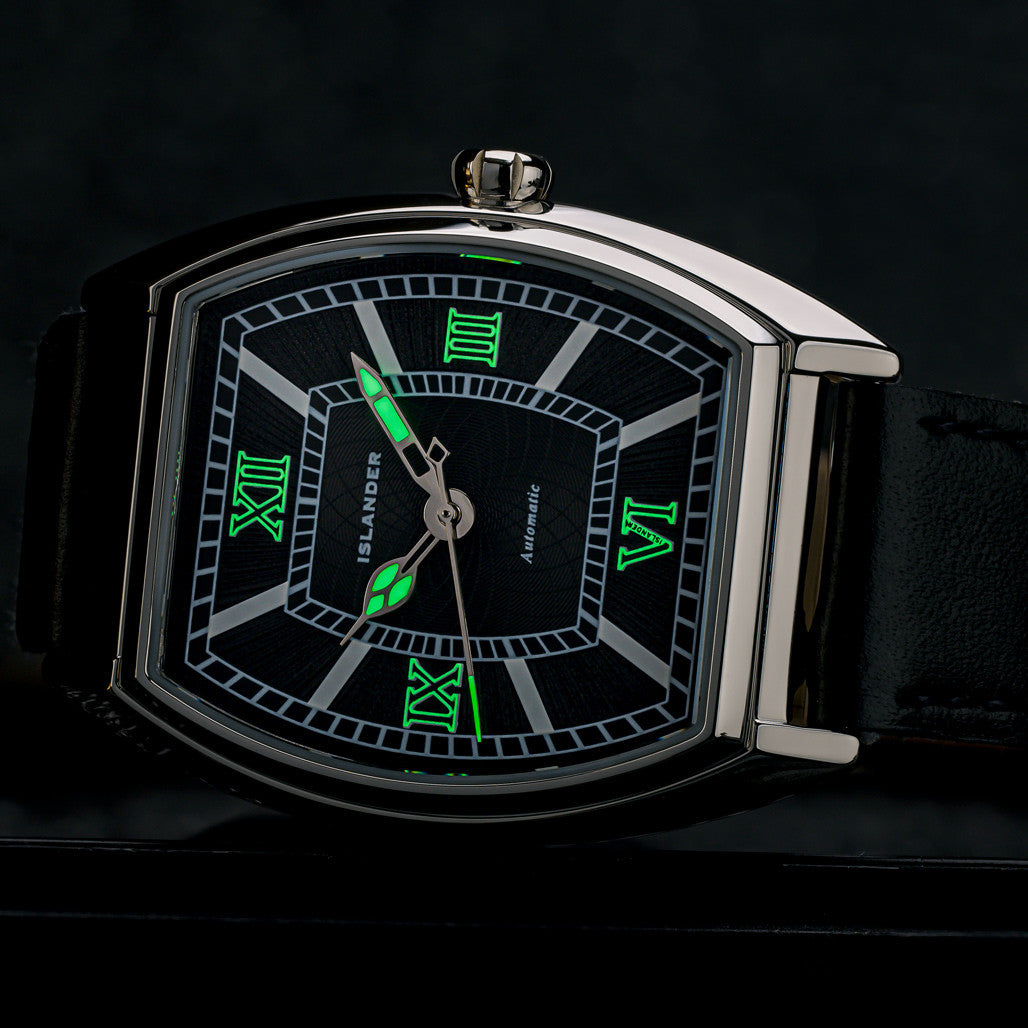
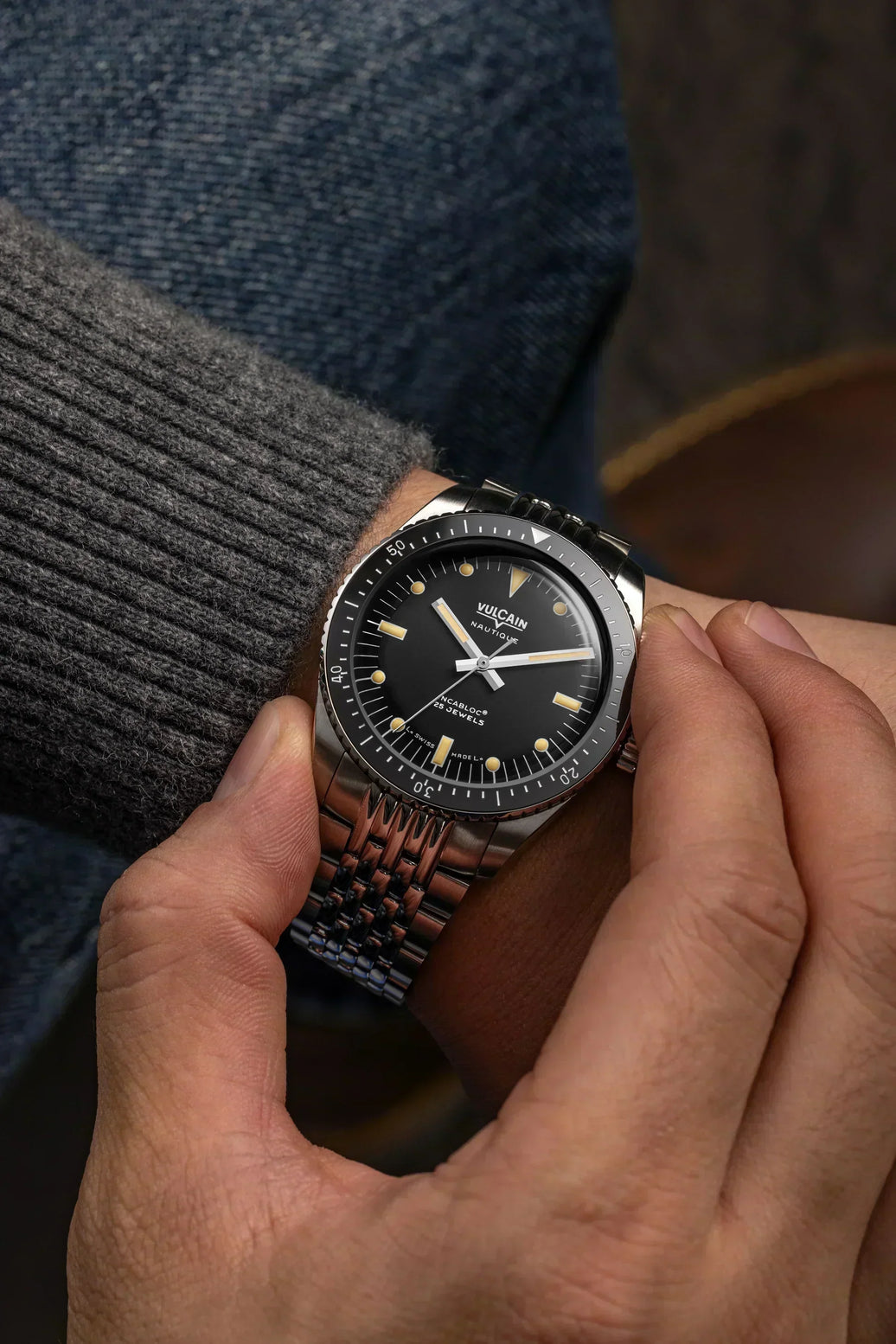
- Islander Astoria Automatic (Black Dial #ISL-261)-A refined dress watch with automatic movement, polished case, and understated elegance inspired by classic Swiss design.
- Islander JFK Automatic GMT (Batman Dial #ISL-338)-Dual time zone capability in a bold, travel-ready package. A head-turner at a fraction of the price of luxury GMTs.
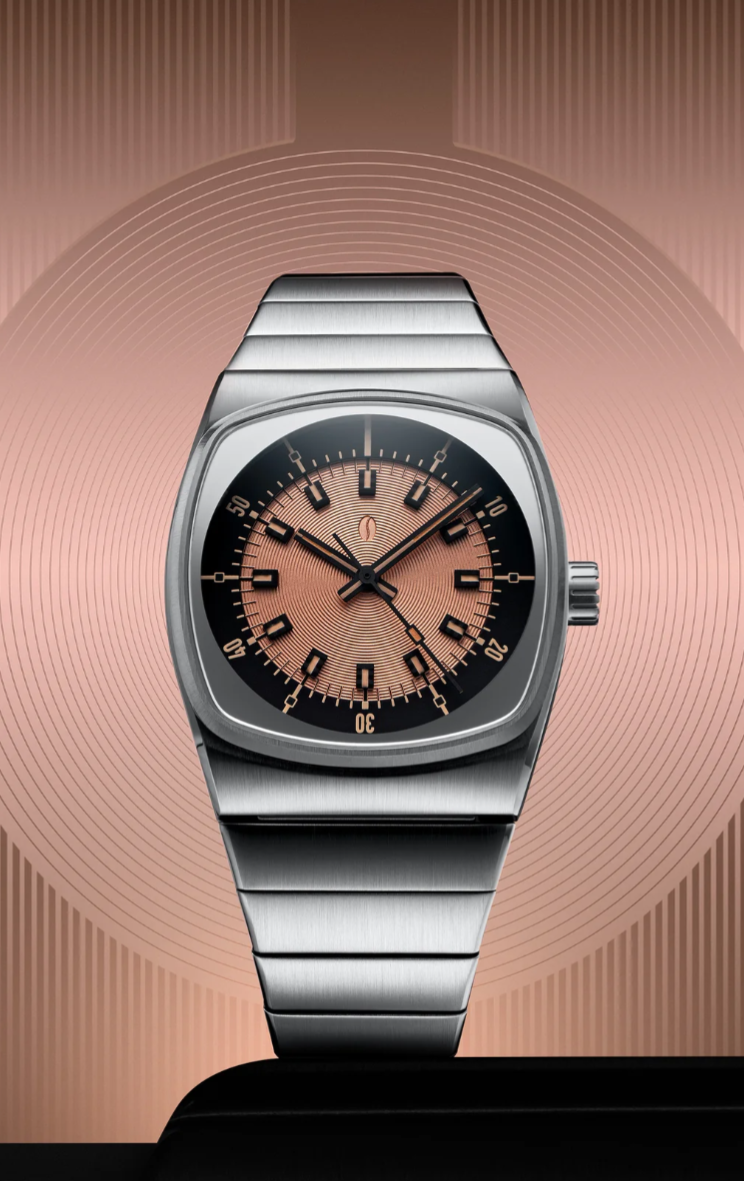
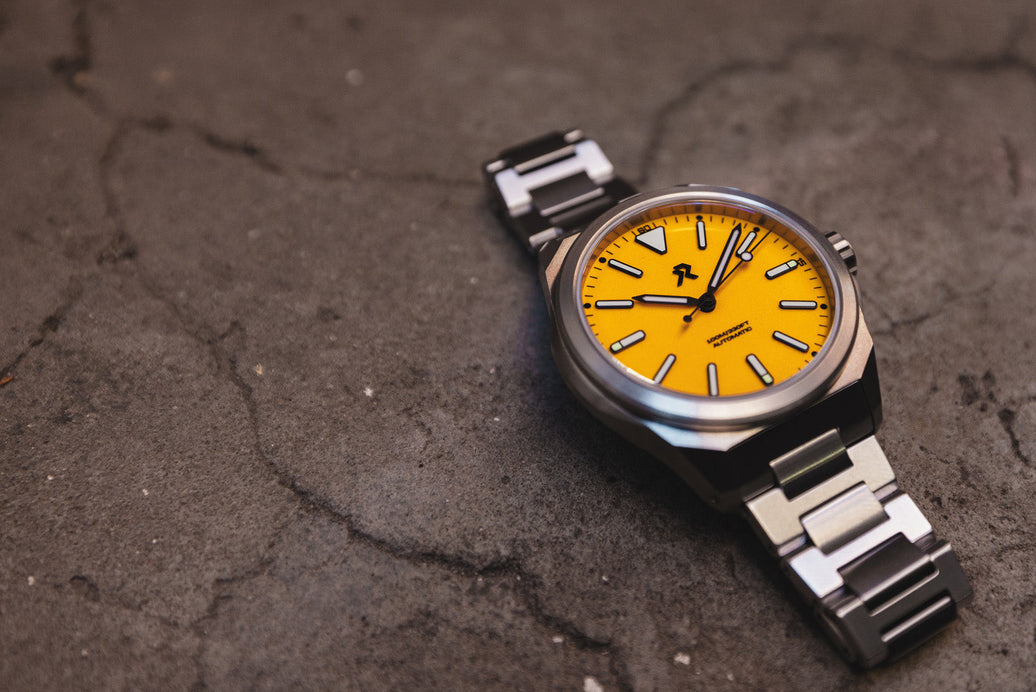
- RZE Resolute Jet Black Enamel-Titanium construction, scratch-resistant sapphire crystal, and striking enamel dial. Built for those who appreciate engineering as much as aesthetics.
- RZE Resolute Stratos Blue-A bold blue dial that rivals anything at 10x the price. Lightweight, tough, and seriously wearable.
Frequently Asked Questions: Global Watch Production
Q: Why did Omega drop from #3 to #5 in the 2026 rankings?
A: While Omega remains a powerhouse, 2025–2026 saw a strategic shift. Omega's unit production dipped slightly (from ~505k to ~460k units) as they pushed significantly higher retail prices. Meanwhile, Audemars Piguet and Patek Philippe surged in turnover due to the massive average sale price of their integrated sports watches, pushing Omega down the "Total Revenue" ladder despite Omega moving more physical watches.
Q: If Rolex makes over 1 million watches, why can't I find one at retail?
A: It's a matter of global demand vs. supply. While 1.2 million watches sounds like a lot, there are over 60 million millionaires worldwide. Even at peak production, Rolex is only making enough watches for about 2% of their target demographic each year. Furthermore, a huge portion of that million-plus production is dedicated to ladies' models and precious metal pieces, leaving the "Steel Professional" models in perpetual shortage.
Q: How does Cartier maintain the #2 spot with fewer units than Rolex?
A: Cartier has mastered the "Style-to-Volume" ratio. In 2025 and 2026, they saw a massive surge in demand from Gen Z and "new luxury" buyers for the Tank and Santos. By maintaining stable retail availability and a high-profile cultural presence, they have solidified their position as the primary Swiss alternative to Rolex.
Q: Why is Tissot's production volume so much higher than the others?
A: Tissot is the "Volume King" of the Swatch Group. Producing nearly 3 million watches a year, they utilize highly automated assembly lines. This allows them to provide "Swiss Made" entry points for the mass market, whereas brands like Patek Philippe rely on hand-finishing that limits them to under 70,000 units.
Q: Does higher production volume mean lower quality?
A: Not necessarily. Rolex is the perfect example of "Industrial Perfection." Their 1.2 million watches are arguably the most consistent and robust mechanical timepieces in the world. High volume allows for massive investment in R&D and proprietary materials (like Oystersteel and Cerachrom) that smaller, low-volume brands simply cannot afford to develop.











Leave a comment