
| Feature | Caller (Office) GMT | Traveler (Flyer) GMT |
| Independent Adjustment | 24-Hour GMT Hand | 12-Hour Local Hour Hand |
| Primary Advantage | Tracking a zone while staying home. | Adjusting local time while in transit. |
| Date Setting | Dedicated Quick-set position. | Adjusted via jumping the hour hand. |
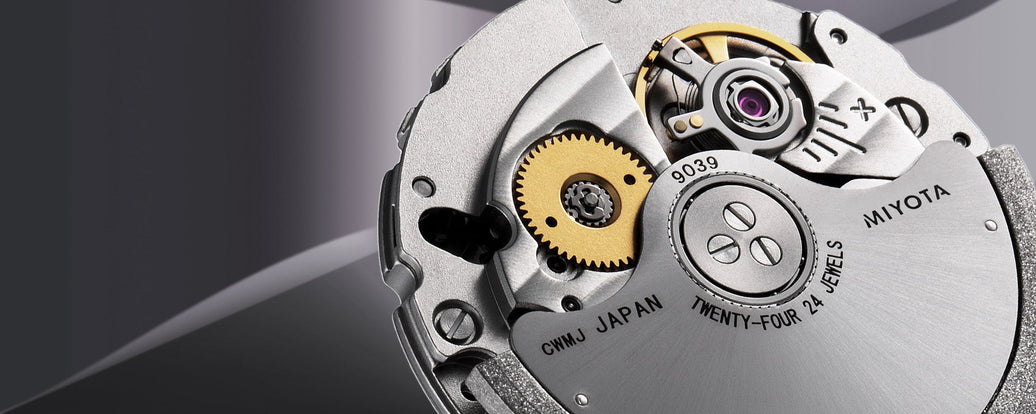
| 2026 Workhorse | Seiko NH34 / 4R34 | Miyota 9075 |
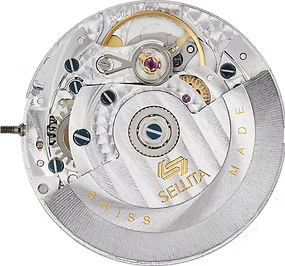
| Swiss Comparison | Sellita SW330-2 | Tudor MT5652 / Rolex 3285 |
| Typical Cost | $300 – $600 | $650 – $4,500+ |
Greenwich Mean Time (GMT) watches are designed to keep track of multiple time zones, making them a popular choice for frequent travelers or anyone who needs to keep track of time in multiple locations. GMT watches are equipped with a GMT function that allows the wearer to track a second time zone alongside their local time. There are two main types of GMT movements: GMT hand and GMT complication.

GMT Hand
GMT hand watches utilize an additional hour hand that is adjustable independently from the main timekeeping hand. This hand is set to the local time in the second time zone, allowing the wearer to easily track both their local time and the time in another location. A prime example of a watch with a GMT hand movement is the Rolex GMT-Master. This iconic watch has been a staple in the world of GMT watches for over 60 years. The GMT-Master features a rotatable bezel that can be used to track a second time zone, and its adjustable GMT hand allows the wearer to keep track of the time in two different locations at once. Omega's Seamaster GMT is another excellent example of a watch with a GMT hand movement. This sporty watch features a GMT hand that can be adjusted independently from the main timekeeping hand, and its rotating bezel can be used to track a second time zone. The Seamaster GMT is a durable and reliable watch that is perfect for travelers, adventurers, and anyone who needs to keep track of multiple time zones.
GMT Complication
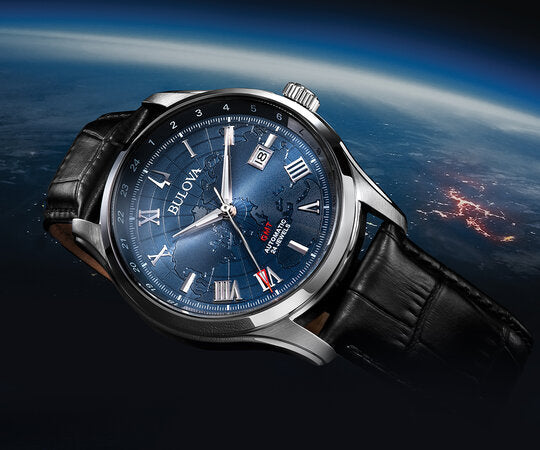
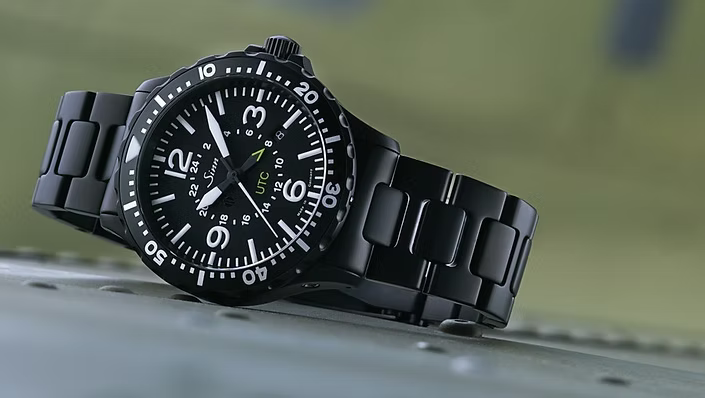
GMT complication watches use a separate 24-hour display to indicate a second time zone, rather than an additional hour hand. This display is typically located on the watch's dial, and is used to show the time in a second time zone in military (24-hour) format.
The Breitling Navitimer GMT is a great example of a watch with a GMT complication movement. This classic watch features a separate 24-hour display that can be used to track a second time zone, and its rotatable bezel allows the wearer to easily align the display with the correct time zone. The Navitimer GMT is a stylish and functional watch that is perfect for those who need to keep track of multiple time zones while on the go.
Affordable Option
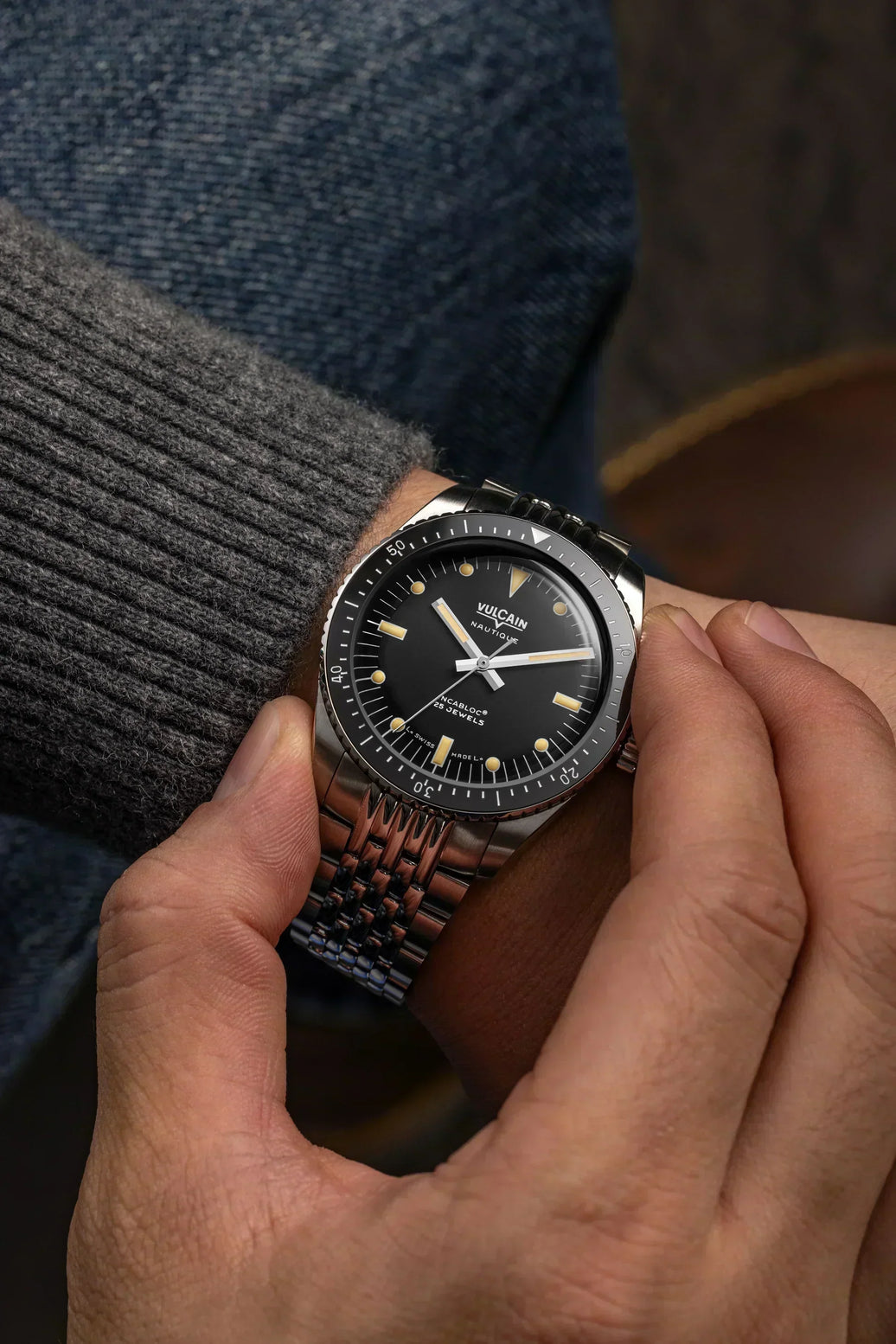
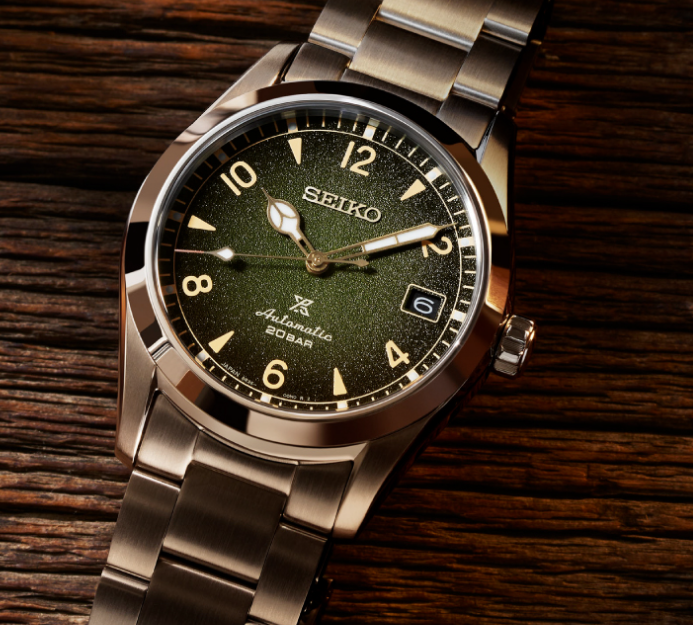
The Seiko 5 GMT is a wristwatch made by Seiko that everyone should look at. The watch features a GMT movement at an incredible pricepoint around $400 on the gray market. It is part of Seiko's 5 series, which is known for its combination of affordability, durability, and versatility. The Seiko 5 GMT features a self-winding mechanical movement, a stainless steel case, a day-date display, and is available in multiple color options.
Check out some of the watches we offer at our online store here: https://smallsecondswatchreviews.com/
Shop GMT Watches for Home or Travel
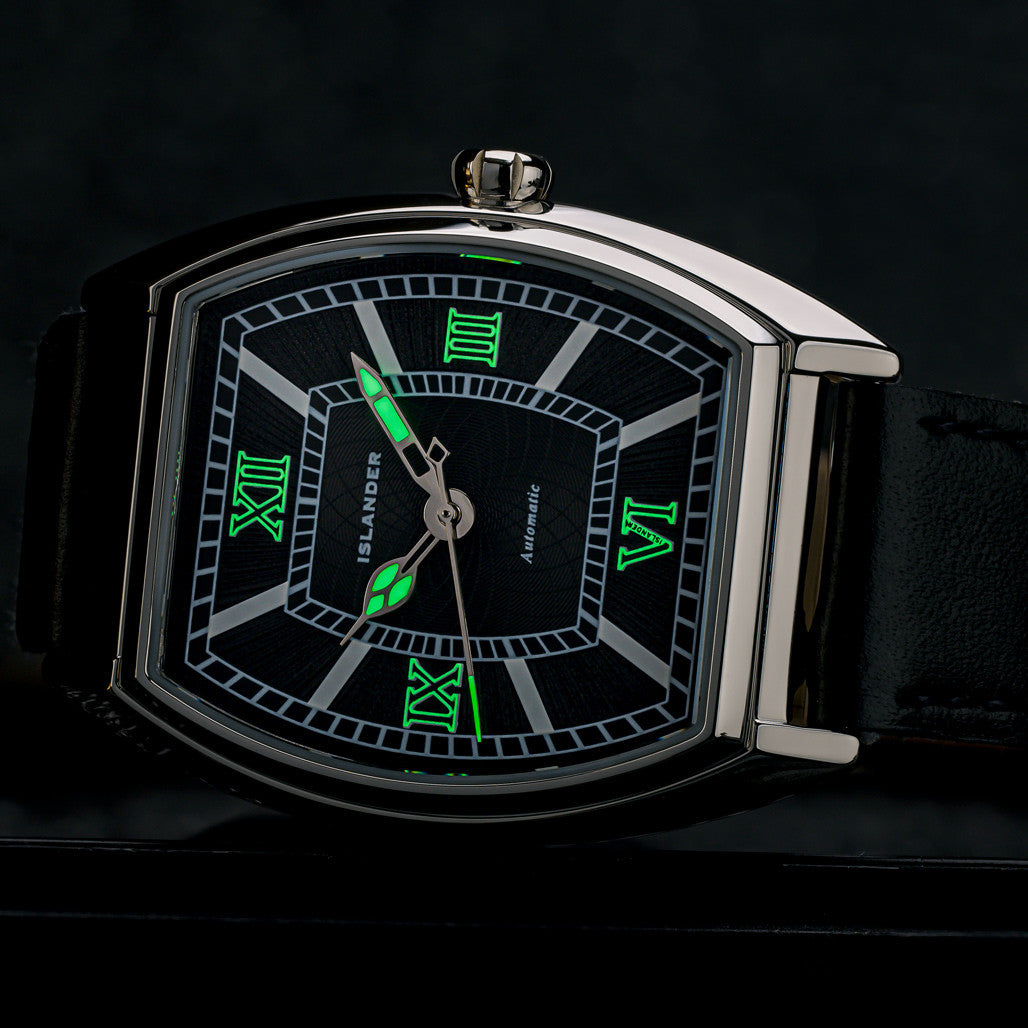
Now that you know the difference between Caller and Traveler GMTs, browse Islander for affordable GMT options and RZE for lightweight, refined travel watches built around modern Miyota movements.
Frequently Asked Questions: GMT Mechanics in 2026
Q: Why is the Miyota 9075 called a "True" GMT movement?
A: A True or Traveler GMT allows you to jump the local hour hand in one-hour increments without stopping the seconds or moving the GMT hand. This is essential for travelers landing in a new time zone.
Q: Is the Seiko SSK (4R34) movement a compromise?
A: Not at all, it serves a different purpose. The 4R34 is a Caller GMT, where the 24-hour hand jumps independently. This is superior for people who stay in one place but need to track a remote office or family members abroad.
Q: Why are GMT watches usually thicker than standard automatics?
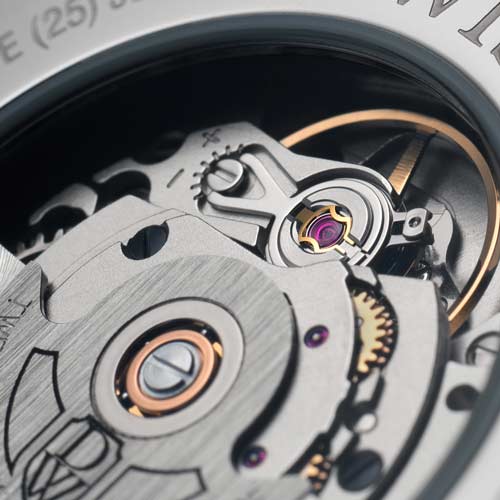
A: Adding a fourth hand requires an extra pinion and gearing in the center of the movement. Movements like the Miyota 9075 have enabled brands to create slimmer GMTs.
Q: What is the Danger Zone when setting a GMT watch?
A: On Caller GMTs like the NH34, avoid quick-setting the date between 9:00 PM and 3:00 AM, as the date-change gears are already engaged and can be damaged.
Q: Can I track a third time zone with a fixed bezel?
A: No. To track a third time zone, you need a bi-directional rotating 24-hour bezel.














Leave a comment