
| Movement Family | Origin | Beat Rate (Hz) | Power Reserve | Primary Advantage |
| Seiko NH Series | Japan | 21,600 BPH (3Hz) | 41 Hours | Legendary Durability / Mod-Friendly |
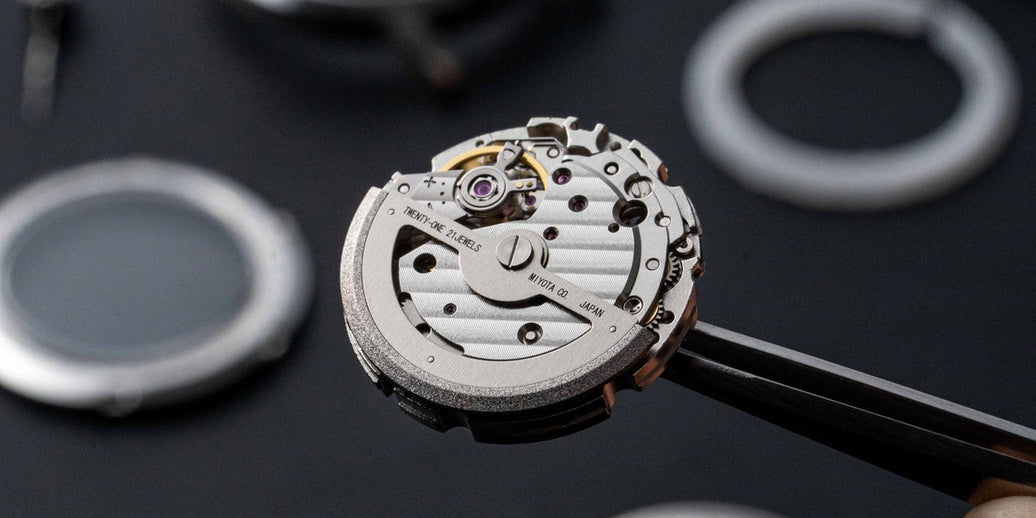
| Miyota 9000 Series | Japan | 28,800 BPH (4Hz) | 42 Hours | Ultra-Thin Profile / High-Beat |
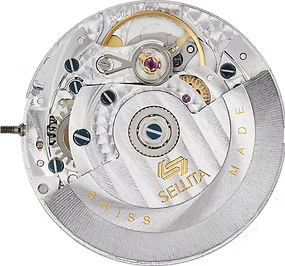
| Sellita SW200-1 | Swiss | 28,800 BPH (4Hz) | 38–41 Hours | Swiss Heritage / Universal Service |
| La Joux-Perret G100 | Swiss | 28,800 BPH (4Hz) | 68 Hours | Weekend-Proof / Slim Design |
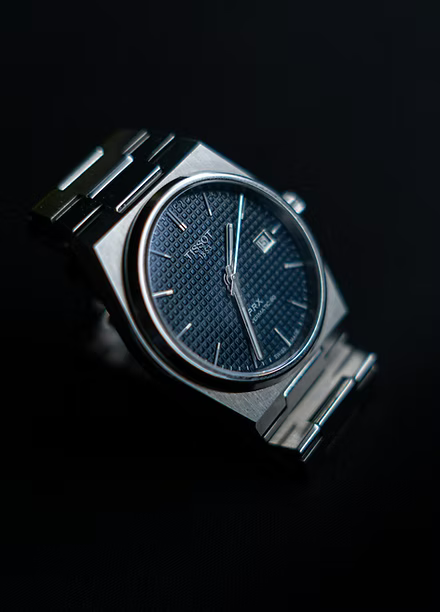
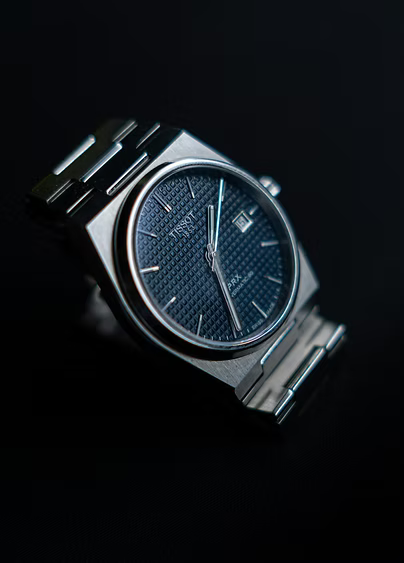
| Tissot Powermatic 80 | Swiss | 21,600 BPH (3Hz) | 80 Hours | Mass-Market Luxury / Anti-Magnetic |
Watches are not only a way to keep track of time, but also a statement of style and personal taste. Microbrands, in particular, offer unique and innovative timepieces that stand out from the mainstream. One important aspect to consider when choosing a watch is the type of movement that powers it. In this blog post, we'll take a look at some of the popular automatic watch movements used in microbrands today.

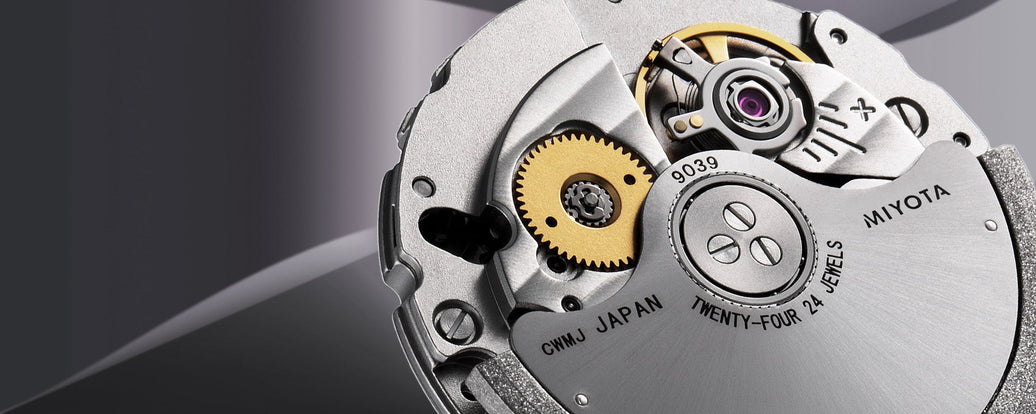
Miyota 9015
The Miyota 9015 is a popular automatic movement manufactured by Citizen. It is known for reliability, accuracy, and affordability, making it a popular choice among microbrands. It beats at 28,800 vibrations per hour and has a power reserve of approximately 42 hours. It is also a hacking movement, making it easier to set the time.
Sellita SW200
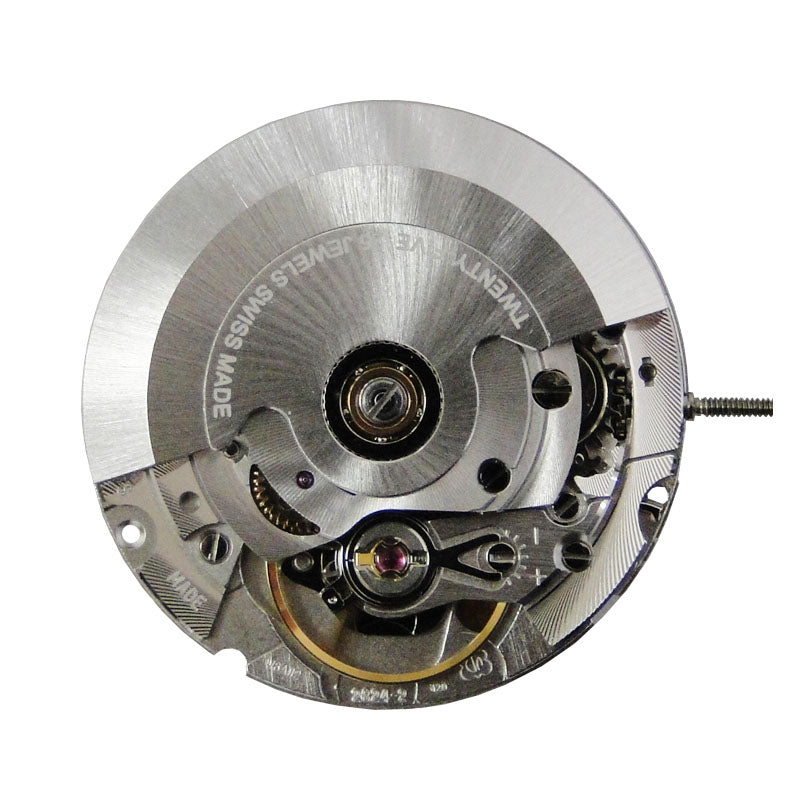
The Sellita SW200 is a Swiss-made movement similar to the ETA 2824, a well-known and respected movement in watchmaking. It is highly reliable and accurate, with a beat rate of 28,800 vibrations per hour and a power reserve of approximately 38 hours. It is popular among microbrands due to its quality and affordability.
Seiko NH35A
The Seiko NH35A is a Japanese-made movement highly regarded for reliability and affordability. It beats at 21,600 vibrations per hour and has a power reserve of approximately 41 hours. It is a popular choice among microbrands because of its dependability, easy maintenance, and serviceability.
ETA 2824-2
The ETA 2824-2 is a Swiss-made movement known for reliability and accuracy. It beats at 28,800 vibrations per hour and has a power reserve of approximately 38 hours. It is a popular choice among microbrands due to its quality and reputation, although it is more expensive than other movements in its class.
My Thoughts
There are many popular automatic watch movements used in microbrands today, each with its own strengths and weaknesses. When choosing a watch, it's important to consider the type of movement and what it can offer in terms of reliability, accuracy, and affordability. Whether you opt for a Miyota 9015, Sellita SW200, Seiko NH35A, or ETA 2824-2, you can be sure that you're getting a quality timepiece that will keep ticking for years to come.
Check out some of the watches we offer at our online store here: https://smallsecondswatchreviews.com/
Shop Watches Powered by Proven Movements
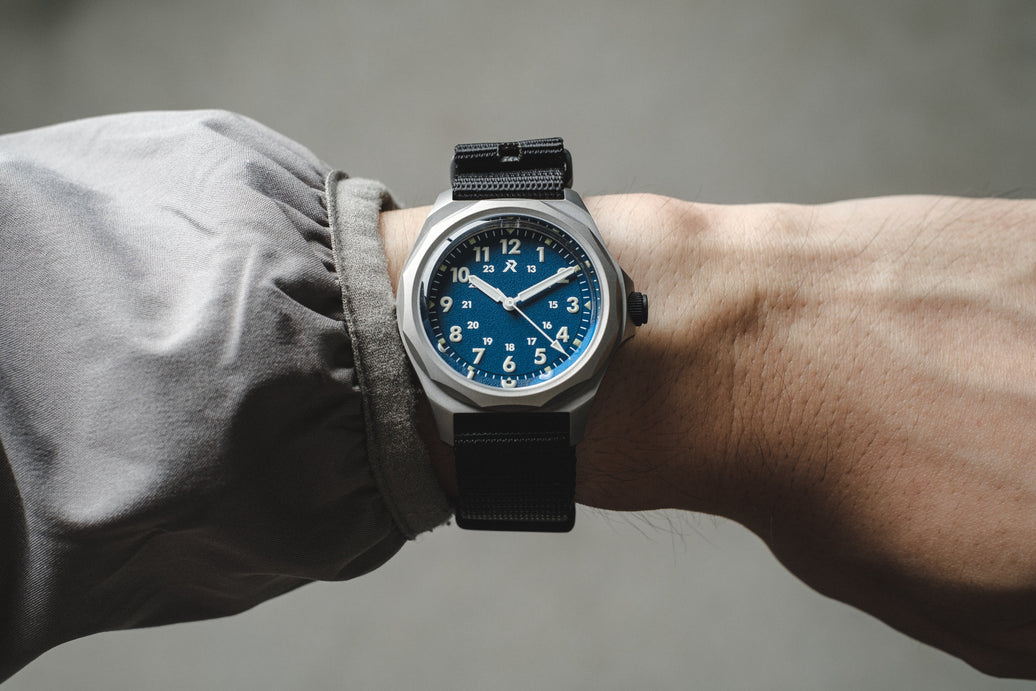
Put the theory into practice with Islander NH-powered watches for rugged reliability, or RZE watches built around Miyota 9-series movements for a slimmer, higher-beat feel.
Frequently Asked Questions: Choosing the Right Movement in 2026
Q: Is a higher Beat Rate always better?
A: A higher beat rate provides a smoother sweep and theoretically better precision, while lower beat rates generally experience less friction and wear over time.
Q: What does Weekend-Proof mean in 2026?
A: This is a term for movements with a 60-to-80 hour power reserve, such as the La Joux-Perret G100 or Powermatic 80. You can take your watch off on Friday evening and put it back on Monday morning without resetting the time.
Q: Why do some movements have more Jewels than others?
A: Jewels act as low-friction bearings for the gear train. A standard three-hand automatic usually has between 17 and 26 jewels.
Q: How does a Micro-Rotor movement differ from a standard automatic?
A: Most automatics have a large oscillating weight on top of the movement, adding thickness. A micro-rotor integrates a smaller weight directly into the movement plate, allowing a thinner watch.
Q: Is it safe to hand-wind an automatic watch every day?
A: While most modern automatics can be hand-wound, it is generally better to let the rotor do the work. If the watch is already running, just wear it.










Leave a comment