
| Feature | NN20/1 (Three-Hand) | NN20/2 (GMT) |
| Origin | Kenissi (Manufacture) | Kenissi (Manufacture) |
| Power Reserve | 70 Hours ("Weekend-Proof") | 70 Hours ("Weekend-Proof") |
| Certification | COSC Chronometer | COSC Chronometer |
| Architecture | Full Balance Bridge (Stability) | "True" / Flyer GMT |
| Innovation | Patented Clutch System | Jumping Local Hour Hand |
| Warranty | 4-Year (Extends to 5 with Club) | 4-Year (Extends to 5 with Club) |
If you're not paying attention to Norqain, it's probably time to wake up. For a young brand, founded in 2018, and still finding its way through the dense forest of Swiss horology, Norqain has made some quietly bold moves. Among the boldest? A strategic partnership with movement manufacturer Kenissi, co-owned by Tudor, Rolex's more daring sibling. The result? Norqain is now offering watches powered by the same high-performance movements found in Tudor's Black Bay line, but at a fraction of the price. Let that sink in for a moment.
The Kenissi Advantage
Kenissi was set up by Tudor (and Rolex Group) to develop robust, COSC-certified automatic movements with extended power reserves, modern materials, and excellent shock resistance. Movements like the MT5402 (Tudor Black Bay 58) and the MT5602 (Black Bay Heritage) have become fan favorites thanks to their reliability and accuracy.
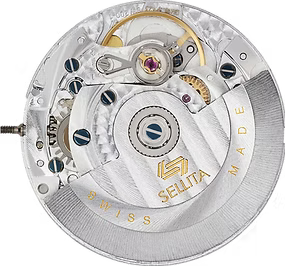
Now enter Norqain, which uses Kenissi-manufactured calibers rebranded as the NN20/1 (three-hand) and NN20/2 (GMT) in several of their higher-end models, including the Independence and Neverest lines. These are not "off-the-shelf" Sellita or ETA movements, which obviously have their place at a certain pricepoint in the watch industry. These are purpose-built, COSC-certified calibers, featuring:
-
70-hour power reserves
-
Free-sprung balance wheels
-
Chronometer-grade accuracy
-
5-year warranties
In other words they have serious horological muscle, with a pedigree that ties directly back to Tudor and Rolex's exacting standards.

Why This Matters to Us Watch Buyers
Let’s be blunt-Swiss watches aren’t cheap. But they don’t all deliver equal value. Many brands in the ~$3,000 to $5,000 price range are still offering generic movements, repackaged under sleek marketing and heritage-heavy branding. Norqain, meanwhile, is putting cutting-edge Tudor tech on your wrist for under $4,000 in many cases, especially in the used market.
To put this in perspective (pre-2025 numbers within some variance. We use the (ish) pricing because the difference is significant enough that we don't need to crunch numbers hard):
|
Watch |
Movement |
Price |
|
Tudor Black Bay 58 |
MT5402 (Kenissi) |
$4,000 |
|
Norqain Independence 40mm |
NN20/1 (Kenissi) |
$3,500 |
|
Breitling Superocean 42 |
COSC ETA 2824 |
$5,000+ |
|
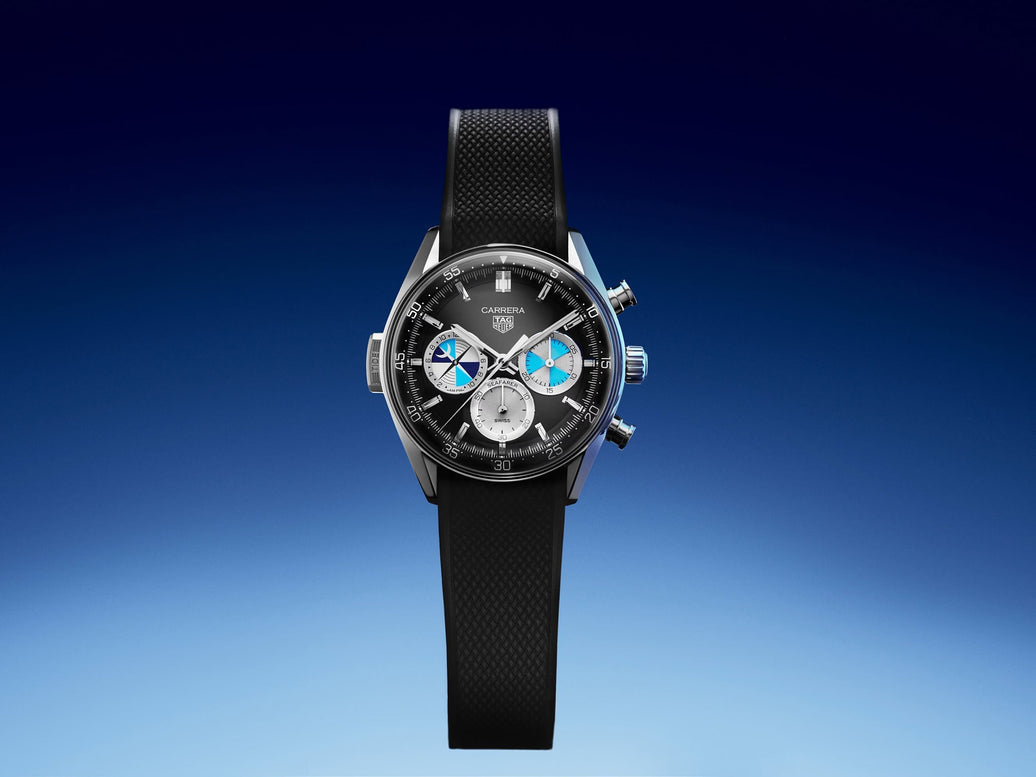
TAG Heuer Carrera |
Heuer 02 / Sellita |
$4,500–$6,000 |
Norqain’s value proposition is staggering. You're getting Tudor-level engineering, chronometer certification, and in-house movement reliability all without paying the brand premium that comes with a shield logo or crown.
What About the Design?
Norqain isn't copying Tudor, either. Their designs, especially in the Independence and Neverest lines, feature modern, sporty aesthetics, beautifully finished dials, and excellent case construction. They’re bold, but not brash. Swiss, but not stuck in the past.
And let’s not forget the little things: 316L stainless steel, display casebacks, ethical business practices, and even a “Norqain Plate” that you can personalize. These are watches made with pride.
We've all heard the words “in-house movement”, which often come with an automatic $1,000 surcharge, but Norqain is doing something remarkable: they’re offering top-tier movements with serious pedigree at honest prices. The Tudor-Kenissi connection isn’t just a marketing gimmick—it’s a meaningful differentiator in a crowded field. So if you're in the market for a Swiss mechanical watch and value is high on your list, Norqain deserves a long, hard look.
Want to understand exactly what "Swiss Made" means on a watch dial? We break it down here.
Frequently Asked Questions: Norqain & Kenissi Movements
Q: Is the Norqain NN20 movement the same as a Tudor in-house movement?
A: They share the same "architecture." Both are produced by Kenissi, a movement manufacturer co-founded by Tudor. The Norqain NN20 series features the same 70-hour power reserve and robust dual-bridge balance system found in Tudor’s MT calibers, though Norqain uses its own custom decoration, such as the "mountain peak" bridge designs.
Q: What makes the NN20/2 a "True" GMT?
A: In a "True" (or Flyer) GMT, the local hour hand can be jumped independently without stopping the watch. This is the preferred setup for travelers. Most watches at this price point use "Caller" GMTs (where you move the 24-hour hand instead), but thanks to the Kenissi partnership, Norqain offers a high-end traveler complication usually reserved for brands like Rolex or Tudor.
Q: Does Norqain still use Sellita movements in 2026?
A: Yes, but for different purposes. While the Kenissi movements power their core three-hand and GMT models, Norqain partners with AMT (Sellita’s bespoke division) for their high-performance chronographs, like the 8K Manufacture Calibre found in the Wild ONE Skeleton Chrono. This allows Norqain to offer complex "Flyback" functions that Kenissi does not currently provide to outside brands.
Q: Why does Norqain call it a "Manufacture" movement if they don't make it?
A: In the modern Swiss watch industry, "Manufacture" often refers to a movement made exclusively for a brand by a dedicated partner. Because the NN20 series was co-developed and is produced specifically for Norqain by Kenissi (and isn't available to the general public like a standard Sellita), it qualifies as a manufacture movement.
Q: How does the 70-hour power reserve benefit me?
A: This is often called "Weekend-Proof." You can take your Independence 20 or Freedom GMT off on Friday evening, leave it on your nightstand, and put it back on Monday morning without having to reset the time or wind it.
















Leave a comment