
We’ve all been there.
It’s 11:30 PM. You’re scrolling Instagram, and suddenly, there it is. The macro shot is crisp, the lume is glowing like a torch, and the comment section is full of fire emojis. You click through to the review site, and they are calling it the "Value Proposition of the Year."
Your brain bypasses logic. You feel that dopamine hit. You whip out the credit card because, hey, if you don’t buy it now it might sell out, right?
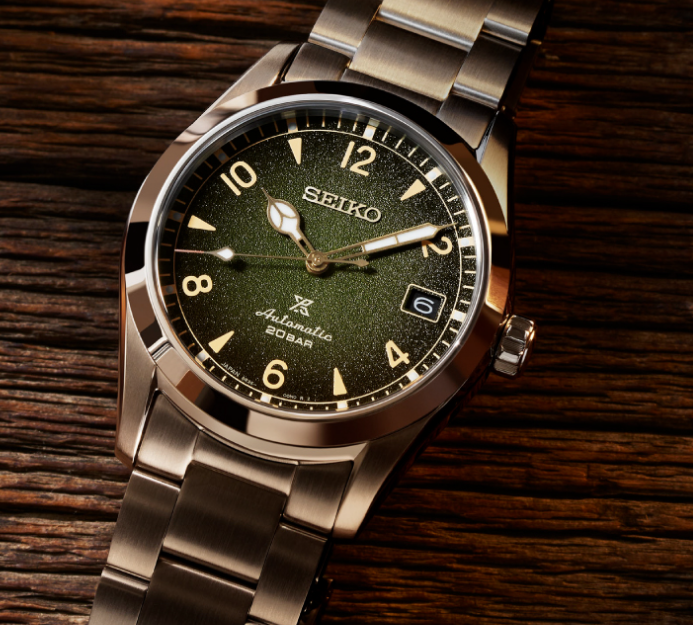
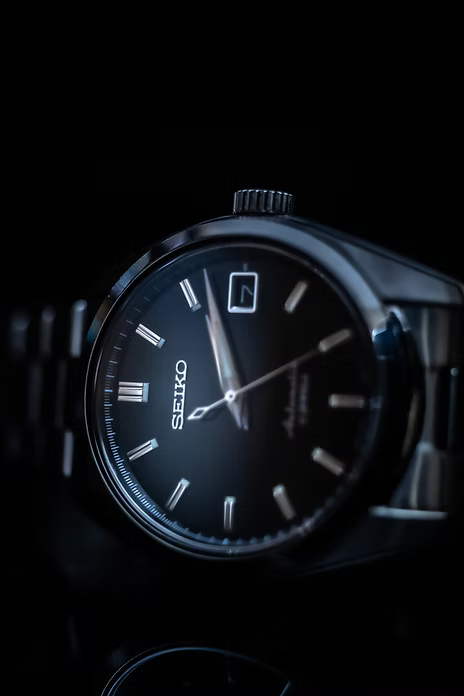
Six months later, that watch is sitting in the back of your drawer, unworn, while you wear your beat-up Seiko for the fifth day in a row.
In the current watch world, the "Hype Cycle" is faster and louder than ever. It’s incredibly easy to build a collection based on other people’s opinions rather than your own taste. I know, because we've all done it.
I spent my first few years in this hobby chasing the "next big thing," and a few thousand dollars later, I realized I didn't have a collection, I had a pile of regrets and other peoples taste.
Here are the five hardest and most expensive lessons I learned, so you don’t have to make the same mistakes.
The "Resale Value" Trap
If you are buying a watch primarily because you think you can flip it for a profit in a year, you aren't a collector. You're an unpaid speculator in a volatile market. Outside of a handful of models from Rolex, Patek, and maybe two other brands you can’t buy at retail anyway, watches are depreciating assets. The moment you peel those stickers off and resize the bracelet, you have likely lost 20% to 30% of the value. It's just like a new car. I bought several watches I was lukewarm on because forums convinced me they were "smart investments."
The Lesson: Buy the watch for your wrist, not your spreadsheet. If you aren't willing to lose money on it, don't buy it.
Ignoring the "Boring" Stuff (Service Costs)
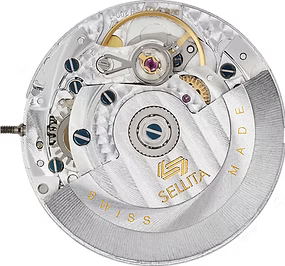
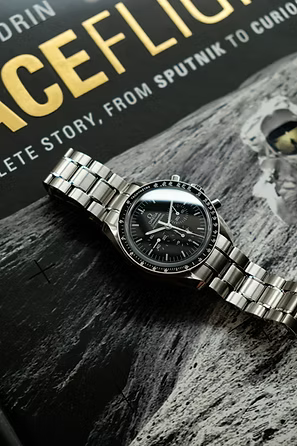
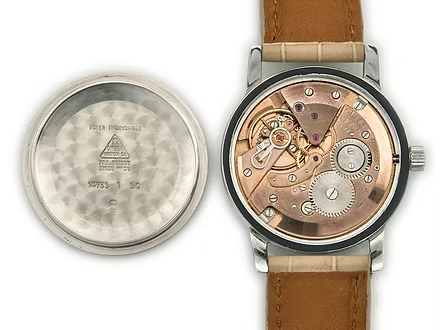
Hype focuses on the new. It rarely focuses on five years from now. Early on, I got obsessed with a vintage chronograph. It looked incredible and had tons of character. I bought it for what seemed like a steal. A year later, the movement seized. Because it was a complicated older movement with scarce parts, the service quote was nearly 60% of what I paid for the entire watch. It’s easy to get excited about exotic movements or "in-house" calibers, but remember that every mechanical watch needs servicing eventually.
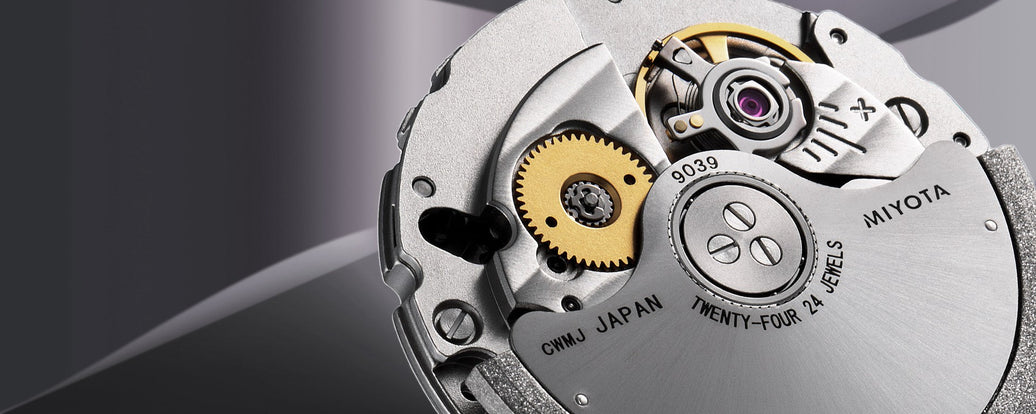
The Lesson: There is massive value in boring, reliable workhorse movements like the Miyota 9000 series or the Seiko NH family. They run for years, and when they do need service, they won't bankrupt you.
The Spec-Sheet Hero vs. Real-World Fit
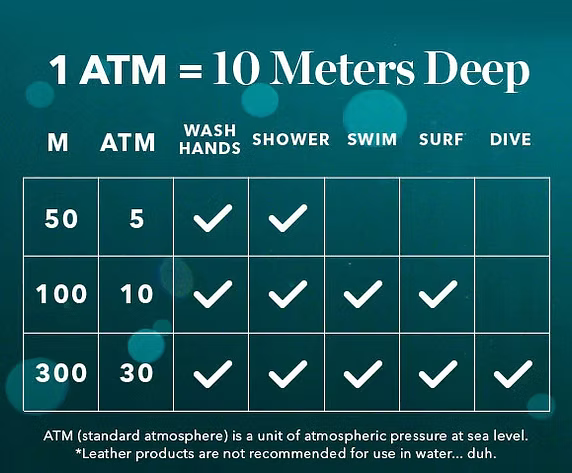
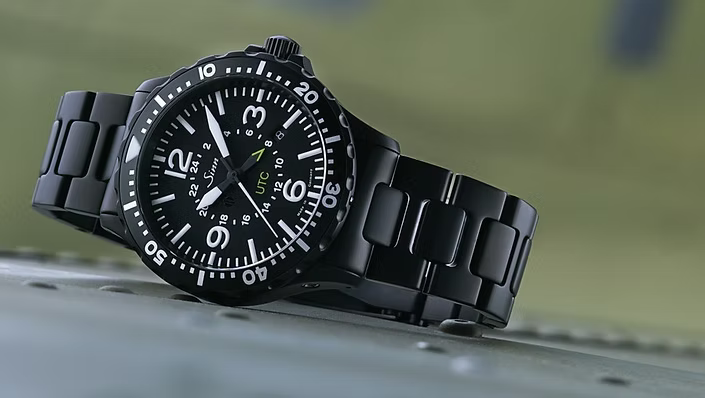
On paper, a watch can look perfect: 300m water resistance, helium escape valve, sapphire bezel, 44mm case presence. It sounds like a beast. But specs don't tell you how a watch wears. I've bought several spec monsters that I ended up hating because they were top-heavy, the caseback protruded too much, or the lug-to-lug length made it overhang my wrist like a dinner plate. A 500m dive watch is useless if it's too uncomfortable to wear to the office.
The Lesson: Fit is a feature. Comfort is a spec. Pay more attention to case thickness and lug-to-lug distance than theoretical water resistance depth you’ll never use.
The Homage Fatigue
This is a common trap for beginners with good taste but limited budgets. You want the Submariner, but you have $500. So, you buy an homage. Then another one that does the bezel slightly better. Then a third one with a better clasp. Suddenly, you’ve spent $1,500 on three watches that are just trying to be something else. That $1,500 could have bought you one incredible, original-design watch from a high-quality microbrand or heritage brand that stands on its own merits.
The Lesson: Authenticity feels better on the wrist than imitation. Save up for the real thing or find a different watch with an original design that you love within your budget.
The FOMO of the Limited Edition Drop
The Limited Edition timer is the greatest enemy of rational thought. Marketing teams know that if they force you to decide in a 3-minute window before a "drop" sells out, you will buy based on panic, not desire. This is even a main maneuver of a to provide "scarcity" for *ahem ahem certain famous brand. You don't want to wake up with buyer's remorse because you rushed to "win" the checkout race for a watch you hadn't properly researched. If a watch is truly good, it doesn't need artificial scarcity to sell it.
The Lesson: If you have to rush to buy it in 60 seconds, you haven't had enough time to know if you actually love it. Slow down. The watch world isn't going anywhere.
Stop Chasing. Start Collecting. The watch world is noisy. It’s easy to get lost in the hype and spend money on things that don't actually bring you joy.
At Smallseconds, we’re focused on cutting through that noise. We care about wearable dimensions, honest specs, and long-term ownership, not just what's hot this week. Join our newsletter. We won't spam you with sales pitches everyday. You'll get honest reviews, industry news, and practical guides to help you build a collection that makes sense for you.
























Leave a comment